
AI in Product Development: What’s Changing

AI in Product Development: What’s Changing

Posted on

Guides

Frontend

Posted at

Feb 11, 2026

Feb 11, 2026

Min read

10

I hope you found this post valuable. If you’re looking for proven frontend and design expertise to elevate your product, feel free to reach out.

I hope you found this post valuable. If you’re looking for proven frontend and design expertise to elevate your product, feel free to reach out.

Share

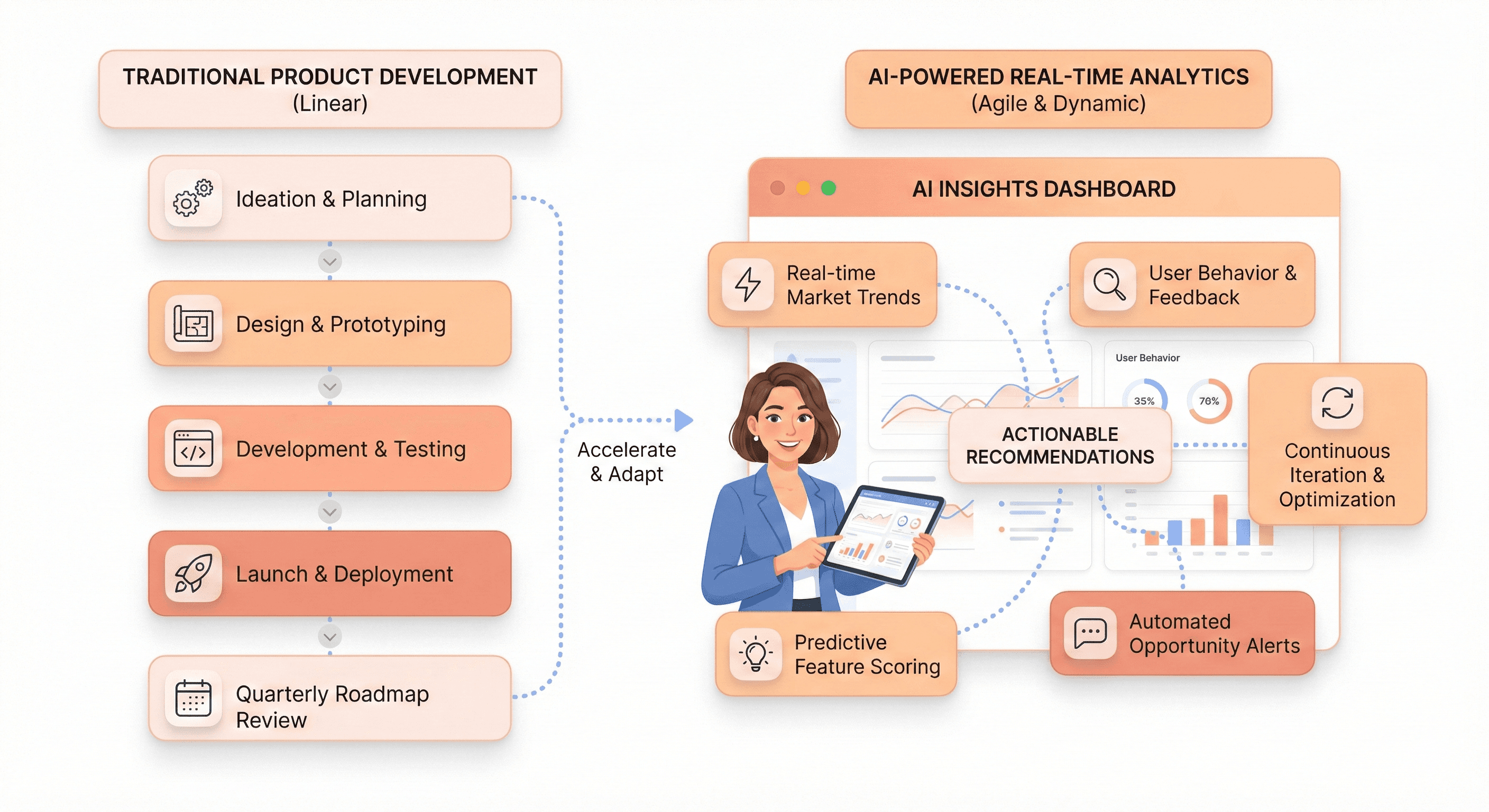
AI transforming traditional product development into faster AI-powered workflows

Summary

AI in product development is the use of artificial intelligence and machine learning to automate, optimize, and enhance every stage of the product lifecycle, from ideation and design to testing, launch, and iteration. It enables data-driven decision-making, predictive validation, automated prototyping, and faster product releases.

Building Security Tools SOC Analysts Can

Navigate Under Pressure?

Summary

AI in product development is the use of artificial intelligence and machine learning to automate, optimize, and enhance every stage of the product lifecycle, from ideation and design to testing, launch, and iteration. It enables data-driven decision-making, predictive validation, automated prototyping, and faster product releases.

Building Security Tools SOC Analysts Can Navigate Under Pressure?

Summary

AI in product development is the use of artificial intelligence and machine learning to automate, optimize, and enhance every stage of the product lifecycle, from ideation and design to testing, launch, and iteration. It enables data-driven decision-making, predictive validation, automated prototyping, and faster product releases.

Building Security Tools SOC Analysts Can

Navigate Under Pressure?

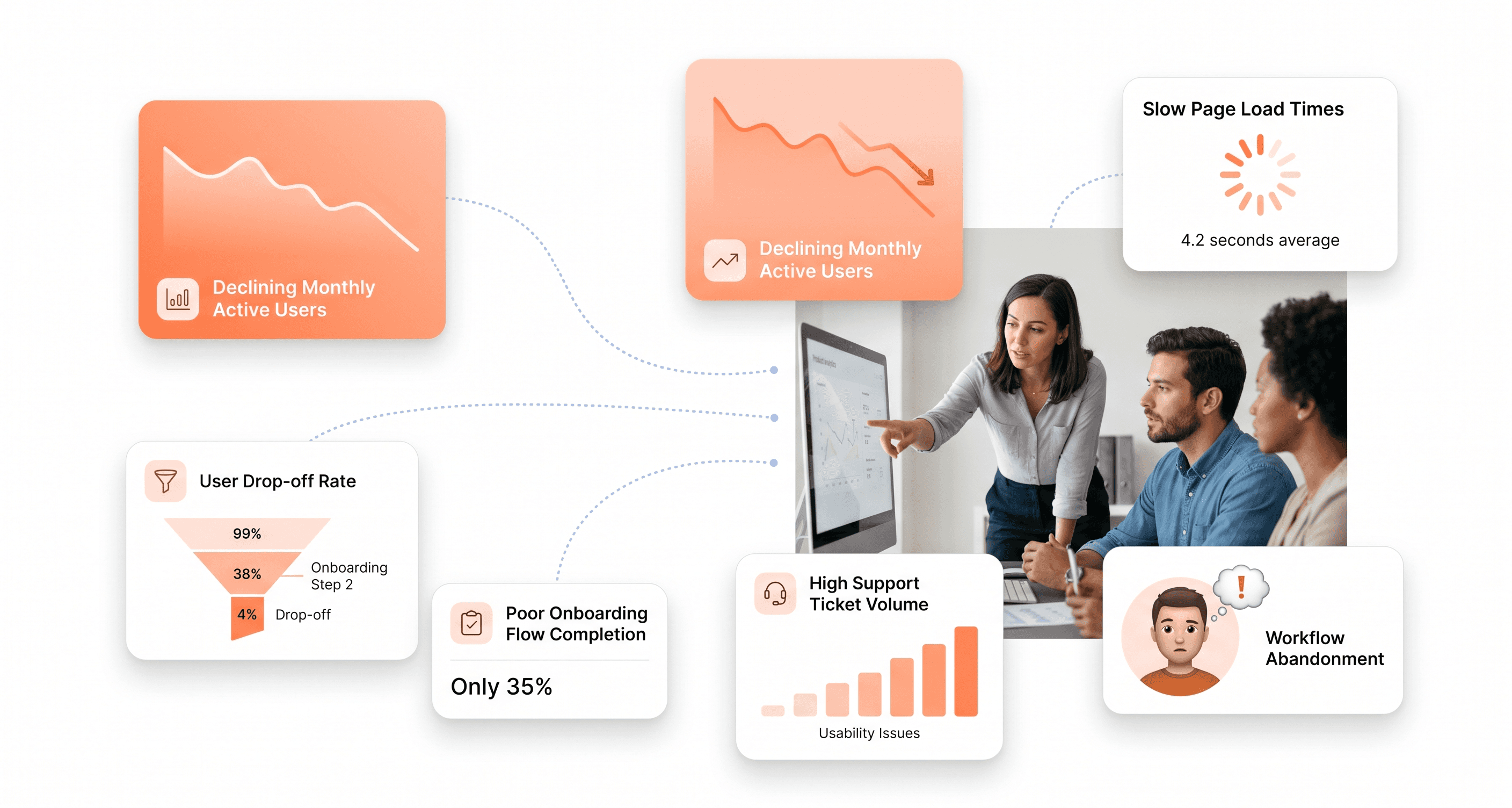
AI is shaking up how products get built, tested, and launched. Product managers, startup founders, and design teams are discovering they can cut development time in half while building smarter, more user-focused products.

Traditional product cycles used to drag on for months or years - teams would spend ages researching, manually prototyping, and crossing their fingers that customers actually wanted what they built. Now AI tools can analyze market trends, generate design variations, and predict problems before they happen. Companies using these approaches are reducing time-to-market by 20-40% and slashing development costs by up to 30%.

This guide breaks down how AI in product development actually works in practice. We'll explore six key areas where AI delivers immediate impact from idea generation to quality testing. You'll see strategic advantages that give scrappy startups an edge over bigger competitors, plus a clear implementation framework your product team can start using today. We'll also share real success stories from companies like BMW and emerging startups, along with essential risk management tips you need to know before diving in.

How AI is Transforming Traditional Product Development Processes
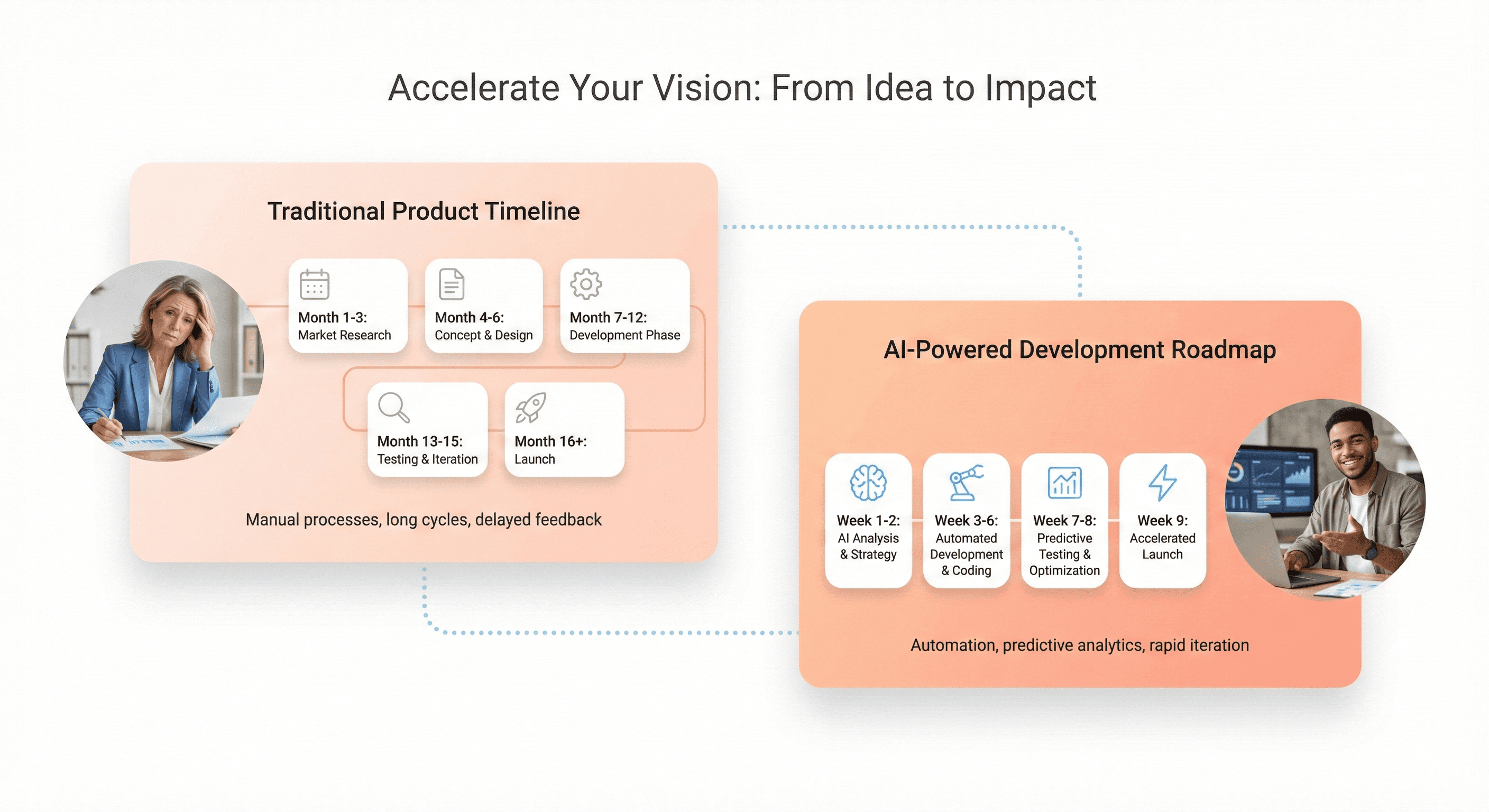
AI reducing product development timeline from years to months

From Two-Year Cycles to Months: Accelerated Timelines

Traditional product development cycles often span years, with teams following rigid, sequential processes that struggle to keep pace with rapidly evolving markets. The reference data reveals that AI is fundamentally disrupting these extended timelines by enabling real-time processing and analysis capabilities. Teams can now analyze millions of consumer inputs overnight, detect subtle patterns, and process vast unstructured datasets instantaneously rather than waiting months for traditional market research to conclude.

This acceleration stems from AI's ability to compress multiple development phases through parallel processing and automated workflows. Where conventional methods required sequential validation steps, AI enables simultaneous market analysis, technical feasibility assessment, and consumer sentiment evaluation, dramatically shortening the path from concept to market-ready product.

Replacing Manual Prototyping with Automated Generation

The shift from manual prototyping represents one of the most tangible transformations in product development processes. AI-powered algorithmic tools can now generate and assess multiple virtual prototypes automatically, eliminating the time-intensive manual iteration cycles that previously dominated development workflows.

This automated generation capability extends beyond simple design variations. Machine learning models can explore thousands of design permutations, test technical feasibility scenarios, and optimize product configurations without requiring physical materials or extensive human intervention. The result is a more efficient development process that can explore significantly more design possibilities in a fraction of the traditional timeframe.

Eliminating Guesswork Through Data-Driven Decision Making

Product development has historically relied heavily on intuition, static research, and slow feedback loops that often led to misreading market needs and poorly timed launches. AI fundamentally transforms this approach by providing data-driven insights that replace guesswork with evidence-based decision making.

Advanced AI systems can process real-time market signals, analyze historical data patterns, and evaluate customer feedback streams to validate ideas and predict outcomes. This capability enables teams to make reliable go/no-go decisions early in the development process, reducing the uncertainty that traditionally plagued product launches. Predictive analytics highlight promising directions while flagging potential risks before significant resources are committed.

Reducing Product Failure Rates and Development Costs

The sobering reality that many new products fail to meet commercial expectations drives the urgent need for more effective development approaches. AI addresses the root causes of these failures by providing capabilities that go beyond conventional tools to minimize risk and optimize resource allocation.

By enabling teams to spot and address risks early in the development cycle, machine learning models help prevent costly late-stage discoveries that traditionally derailed projects. AI's ability to process customer feedback, analyze market trends, and predict customer behavior provides teams with a richer, more precise understanding of market demands, significantly reducing the likelihood of launching products that miss their target audience.

Moving from Reactive to Predictive Product Strategy

Traditional product development operates reactively, responding to market changes after they occur rather than anticipating future trends. AI enables a fundamental shift toward predictive product strategy by forecasting demand patterns, identifying emerging market opportunities, and anticipating customer behavior changes before they fully manifest.

This predictive capability transforms strategic planning from a retrospective exercise to a forward-looking discipline. Teams can use AI to explore scenarios and outcomes through advanced simulations, enabling more informed strategic decisions about product direction, feature prioritization, and market timing. The result is a proactive approach that positions products ahead of market curves rather than chasing established trends.

Six Key Areas Where AI Delivers Immediate Impact
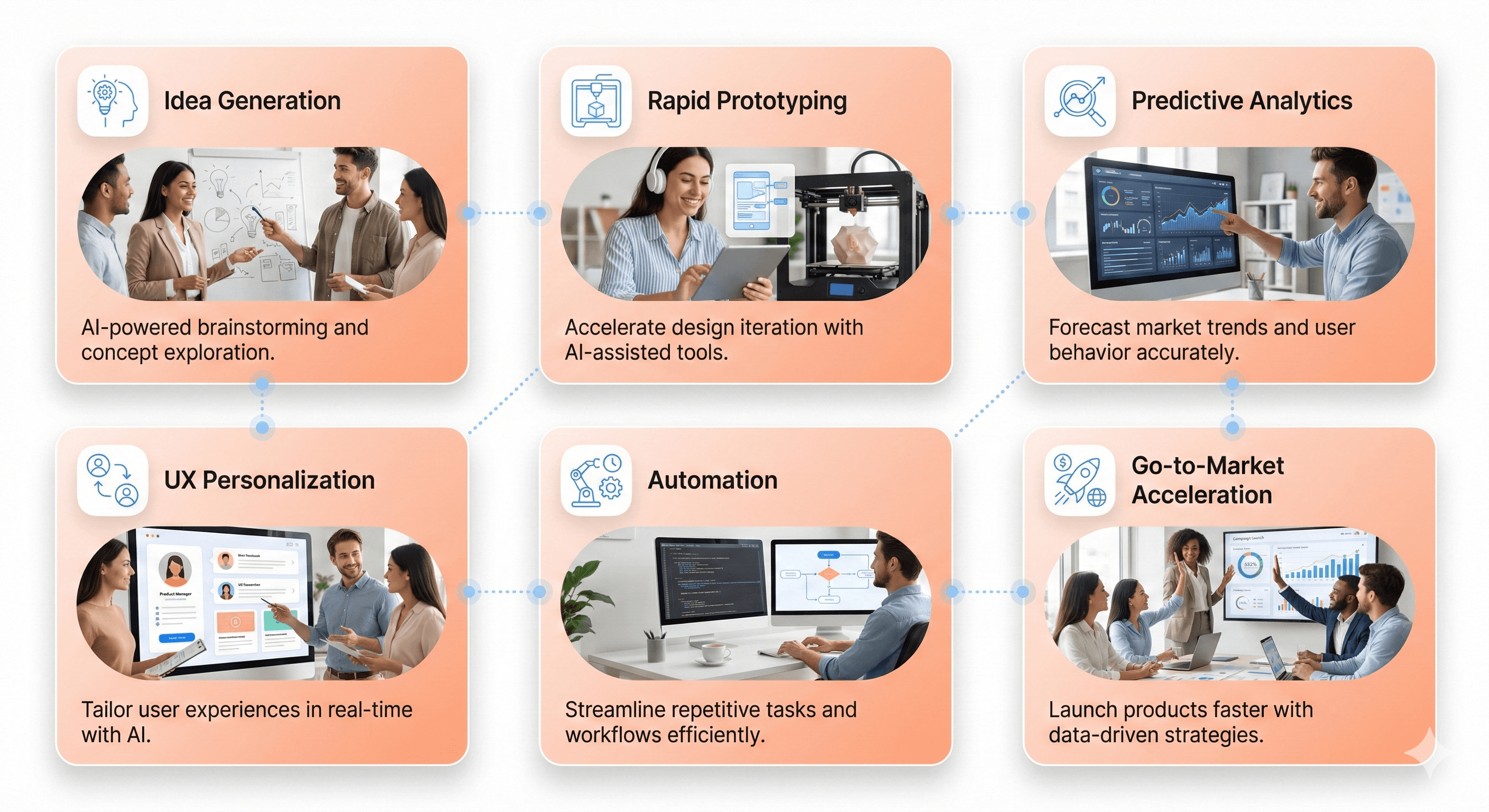
Six core areas where AI improves product development

AI-Powered Idea Generation and Market Trend Analysis

AI is revolutionizing the traditionally challenging ideation stage of product development by leveraging sophisticated data analytics and machine learning algorithms. These systems can analyze vast volumes of data from social media, customer reviews, and sales statistics to identify consumer preferences, market trends, and emerging demands with unprecedented accuracy.

Generative design algorithms represent a particularly powerful application, capable of producing multiple design concepts based on predetermined standards. This technology provides development teams with a diverse range of possibilities that would be extremely challenging for human designers to generate independently, significantly expanding the creative potential during the conceptual phase.

Rapid Design and Prototyping Through Generative Tools

AI-powered generative design tools are transforming how teams approach design and prototyping by exploring every potential combination of solutions. These tools can test and iterate through design options faster and more efficiently than traditional human-led processes, resulting in both creative and well-optimized products while dramatically accelerating the overall design timeline.

Advanced simulation methods powered by AI are revolutionizing prototyping workflows. AI-driven virtual prototyping can simulate how products will behave under various scenarios before physical prototypes are created, identifying potential problems and improvement opportunities early in the development cycle. This approach significantly reduces both time and costs associated with conventional prototyping techniques.

Predictive Analytics for Early Validation and Optimization

Machine learning models are enabling more accurate prediction of material qualities and performance characteristics, allowing teams to make informed decisions about material selection. By examining material properties, usage patterns, and performance outcomes, AI systems can recommend optimal materials for specific applications, ensuring both durability and cost-effectiveness.

AI's predictive capabilities extend to demand forecasting, where algorithms analyze historical data and market patterns to provide more accurate demand estimates. This ensures products are available when and where needed while preventing costly overstock and stockout situations.

Personalized User Experience Design at Scale

Natural language processing algorithms are transforming how teams analyze customer feedback post-launch. These systems can process reviews, social media comments, and customer support conversations to derive valuable insights about product performance and customer satisfaction levels.

AI-driven sentiment analysis enables real-time monitoring of customer reactions, allowing organizations to respond promptly to emerging issues or trends. This responsive approach helps build stronger customer relationships and enhances brand loyalty through timely adaptations based on user feedback.

Automation of Routine Development Tasks

AI is streamlining requirements management through advanced natural language processing capabilities. Tools powered by AI can help system engineers and product developers write effective, well-organized requirement specifications based on industry-accepted standards, ensuring various teams maintain a shared understanding of project goals throughout development.

Quality assurance processes benefit significantly from AI automation through automated testing and anomaly detection. Machine learning models can be trained to identify defects and anomalies in products, improving both accuracy and speed of quality checks while enabling real-time monitoring during manufacturing processes.

Accelerated Innovation and Go-to-Market Speed

Smart factories utilizing AI are revolutionizing manufacturing processes by automating and optimizing production lines, resulting in increased productivity and reduced downtime. Predictive maintenance capabilities can forecast equipment failures and schedule timely repairs, ensuring smooth and continuous operations.

Supply chain management sees significant improvements through AI-enhanced logistics optimization. AI algorithms can predict demand, optimize inventory levels, and manage supplier relationships more effectively, ensuring efficient resource allocation and faster market delivery.

AI-Driven Customer Feedback Analysis

Post-launch product improvement cycles are being enhanced through sophisticated AI analysis of customer feedback. Natural language processing enables teams to extract meaningful insights from diverse feedback sources, informing iterative improvements that help products evolve to meet customer needs more effectively.

This comprehensive feedback analysis creates a continuous improvement loop, enabling data-driven decisions that enhance product-market fit and customer satisfaction over time.

Strategic Advantages for Startups and Early-Stage Companies
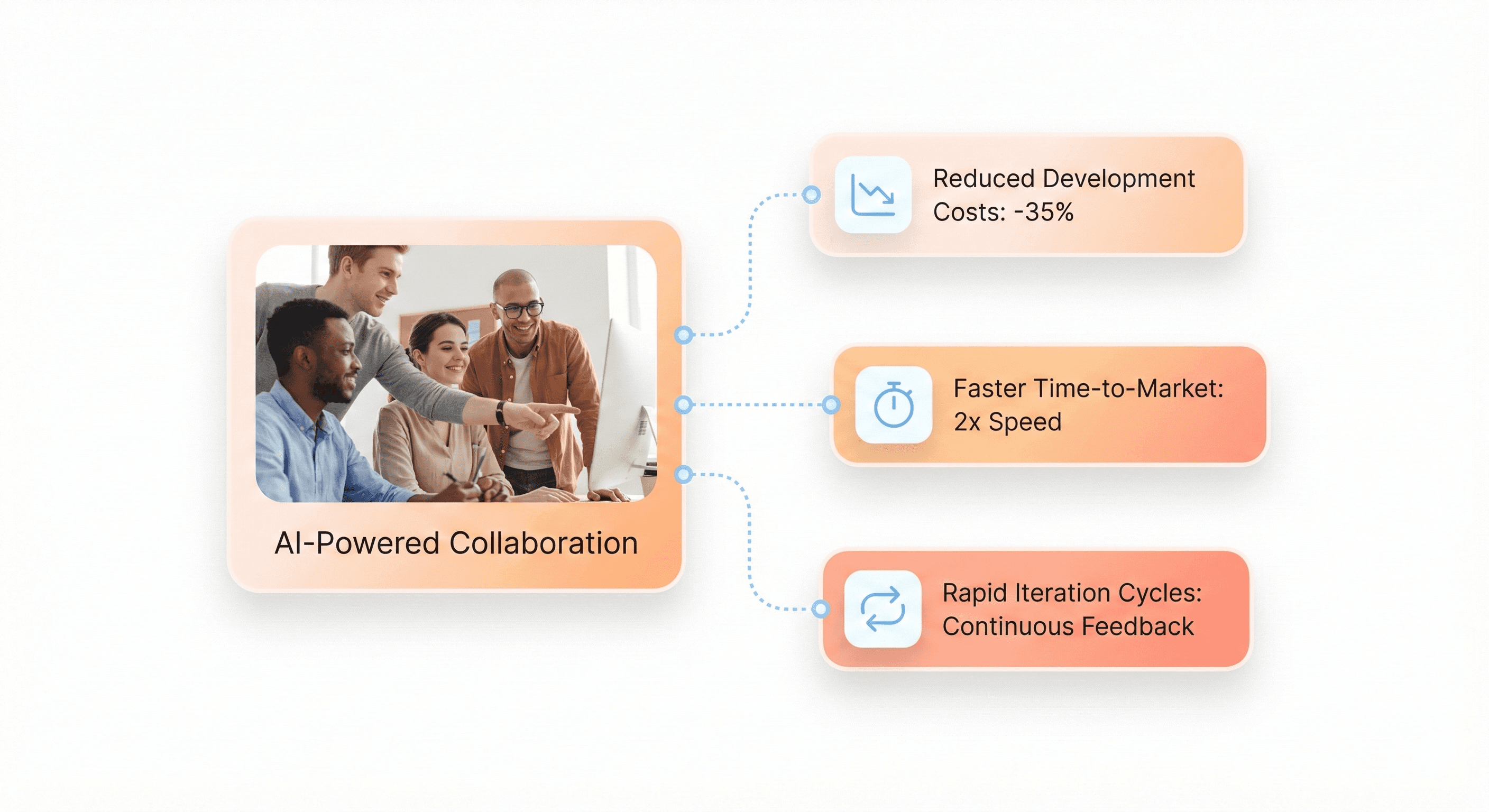
Startup team using AI tools to reduce cost and accelerate product development

20-40% Reduction in Time to Market

AI is fundamentally accelerating product development timelines, enabling startups to bring products to market with unprecedented speed. Traditional development cycles that previously required months of manual iteration can now be compressed through AI-powered automation and intelligent decision-making tools. Machine learning algorithms analyze market data, user feedback, and technical requirements simultaneously, eliminating the sequential bottlenecks that typically slow development processes.

The time-to-market advantage becomes particularly pronounced during the critical early stages when startups need to validate their concepts quickly. AI-driven rapid prototyping, automated testing frameworks, and predictive analytics allow teams to move from concept to functional prototype in weeks rather than months.

20-30% Lower Development Costs

Now that we've examined speed advantages, cost reduction represents another crucial benefit for resource-constrained startups. AI significantly reduces development expenses by automating traditionally labor-intensive tasks and minimizing the need for extensive manual testing and quality assurance processes.

The cost savings manifest across multiple areas: reduced need for specialized technical staff, decreased prototype iteration expenses, and lower infrastructure costs through cloud-based AI services. Startups can achieve enterprise-level development capabilities without the corresponding overhead, making sophisticated product development accessible to teams with limited budgets.

Enhanced Team Capacity Through AI-Assisted Workflows

AI-assisted workflows effectively multiply team productivity by handling routine tasks and providing intelligent recommendations. Small startup teams can accomplish work that would traditionally require much larger development departments. AI tools assist with code generation, design optimization, user experience testing, and quality assurance, allowing human team members to focus on strategic decision-making and creative problem-solving.

This capacity enhancement is particularly valuable for startups where each team member typically wears multiple hats. AI assistance enables individual contributors to maintain quality standards across diverse responsibilities while scaling their output significantly.

Competitive Edge Through Faster Iteration Cycles

Previously, I've discussed how AI accelerates initial development, but its impact on iteration cycles provides ongoing competitive advantages. AI-powered analytics continuously monitor product performance, user behavior, and market conditions, enabling startups to identify optimization opportunities and implement improvements rapidly.

This faster iteration capability creates a sustained competitive moat, as startups can respond to market changes and user feedback more quickly than traditional competitors. The ability to test, learn, and adapt in compressed timeframes becomes a defining characteristic of AI-enabled product development.

Building Scalable Infrastructure from Day One

With this in mind, next, we'll see how AI enables startups to establish scalable infrastructure foundations from their earliest stages. Rather than building systems that require complete overhauls as the company grows, AI-powered development tools help create architectures that scale naturally with business expansion.

Cloud-based AI services provide immediate access to enterprise-grade capabilities without upfront infrastructure investments. This approach allows startups to build robust, scalable products while maintaining the flexibility to adapt and expand as market opportunities evolve.

Implementation Framework for Product Teams
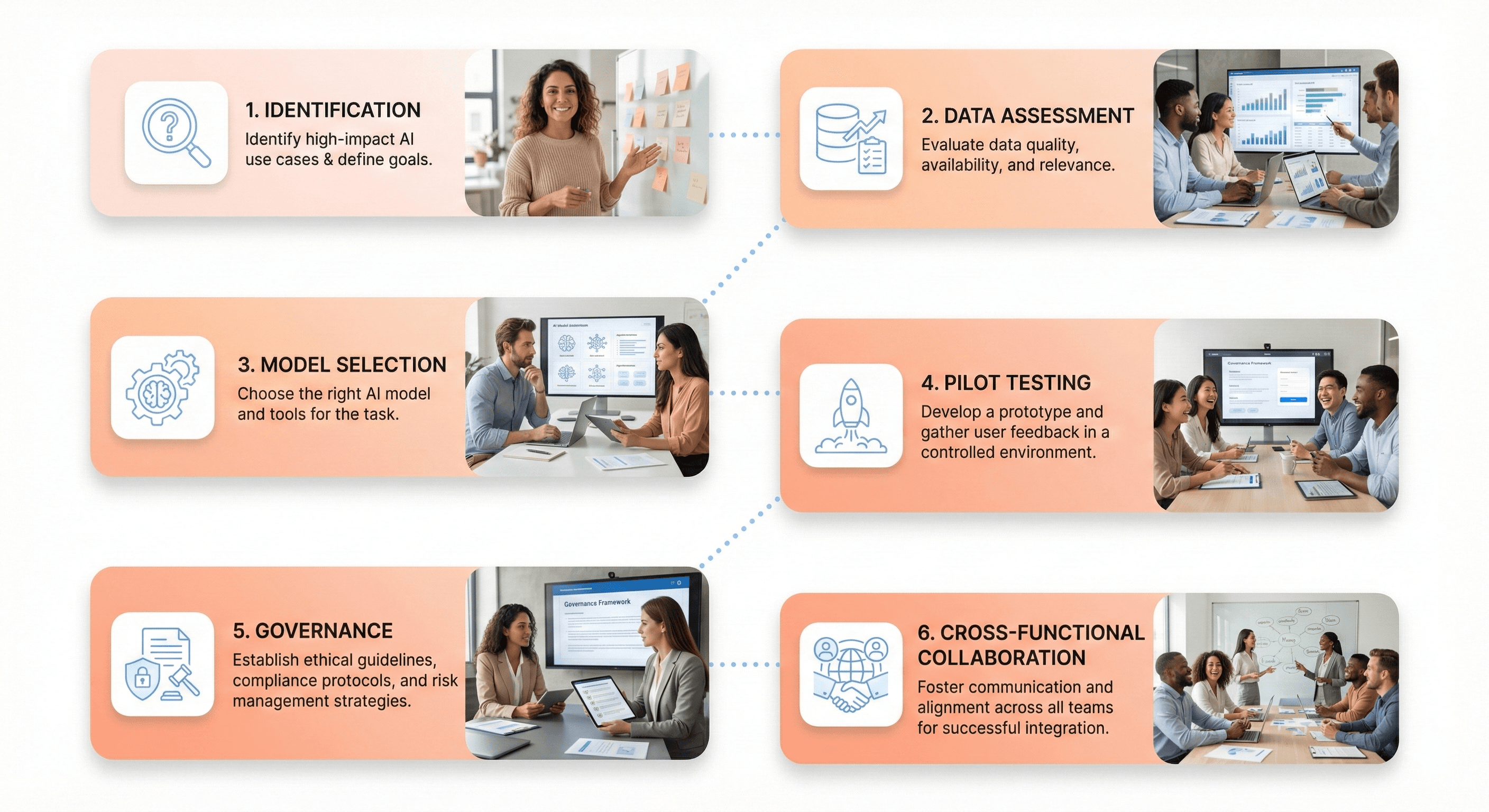
Structured AI implementation framework for product teams

Identifying High-Impact Areas for AI Integration

Now that we understand AI's transformative potential in product development, the next critical step involves identifying where AI integration can deliver the most significant business value. Product teams should begin by mapping problems to business goals, ensuring that any AI implementation directly supports strategic objectives rather than pursuing technology for its own sake.

Start by conducting a thorough assessment of your current product development processes to identify bottlenecks, repetitive tasks, and areas where human judgment could benefit from data-driven insights. Focus on use cases where AI can either automate time-consuming processes or enhance human decision-making capabilities. The most successful implementations typically target areas with clear success metrics and measurable outcomes.

Consider both assistive and autonomous AI systems during this evaluation. Assistive AI enhances human capabilities in areas like design optimization, user research analysis, and quality assurance testing. Autonomous AI systems can handle routine tasks such as code generation, bug detection, and performance monitoring without human intervention.

Data Quality Assessment and Management Requirements

Before implementing any AI solution, establishing robust data quality standards becomes paramount to success. Your AI models will only be as effective as the data they're trained on, making data quality assessment a foundational requirement rather than an afterthought.

Begin by auditing your existing data sources, evaluating completeness, accuracy, consistency, and timeliness. Identify gaps in your data collection processes and establish systematic approaches for data cleaning, validation, and ongoing maintenance. This assessment should encompass both structured data from your databases and unstructured data from user interactions, feedback, and behavioral patterns.

Develop clear data governance policies that define ownership, access controls, and quality standards. Establish processes for continuous data monitoring and validation to ensure your AI systems maintain accuracy over time. Remember that AI products exist in perpetual improvement, requiring ongoing data quality management rather than one-time setup.

Choosing Between Custom Models and Off-the-Shelf Solutions

The decision between building custom AI models or leveraging existing solutions significantly impacts implementation timeline, costs, and long-term maintenance requirements. This choice should align with your organization's technical capabilities, resource constraints, and specific use case requirements.

Off-the-shelf solutions offer faster implementation and proven reliability for common use cases like natural language processing, image recognition, or predictive analytics. These solutions typically require less specialized expertise and provide immediate value with lower upfront investment. However, they may lack the customization needed for highly specific business requirements.

Custom models provide greater control and optimization for unique business processes but require significant technical expertise, longer development cycles, and ongoing maintenance. Consider your team's technical capabilities, available resources, and the strategic importance of the AI implementation when making this decision.

Running Pilot Programs and Measuring Success

With the rapid pace of AI development, experimentation goes on steroids, requiring embedded experimentation throughout the product lifecycle. Successful pilot programs serve as building blocks toward achieving specific business outcomes rather than mere technology demonstrations.

Design pilot programs with clear success criteria that balance both business metrics and AI-specific performance indicators. Traditional KPIs like engagement, customer satisfaction, and revenue should be complemented by AI-specific metrics including accuracy, precision, fairness, and recall. For generative AI implementations, evaluate output coherence, hallucination rates, and contextual relevance.

Establish systematic methodologies for measuring pilot success across different implementation scenarios. Create feedback loops that capture both quantitative performance data and qualitative user feedback. This balanced approach ensures you're building solutions that are both technically sound and valuable to end users.

Establishing Governance and AI Usage Policies

As AI integration expands across your product development processes, establishing comprehensive governance frameworks becomes essential for maintaining quality, ethics, and compliance standards. Develop clear policies that address model explainability, interpretability, ethics, and bias management.

Create guidelines for responsible AI usage that address potential risks while enabling innovation. These policies should cover data privacy, algorithmic fairness, transparency requirements, and decision-making accountability. Establish review processes for AI implementations that evaluate both technical performance and ethical implications.

Implement systematic approaches for model operations, including model drift management and performance monitoring. Since AI products don't have a final state and exist in perpetual improvement, your governance framework must accommodate continuous evolution while maintaining consistent standards.

Building Cross-Functional AI Adoption Teams

The complexity of AI product development requires expertise across multiple domains, blurring traditional role boundaries and creating new collaborative requirements. Building effective cross-functional teams involves more than assembling technical talent—it requires orchestrating diverse skills and perspectives.

Form teams that combine strategic vision, user empathy, and deep technical insight to create intelligent products that users trust. Include representatives from product management, engineering, data science, design, and business stakeholders to ensure comprehensive coverage of both technical and business requirements.

Recognize that roles in AI product development are defined by impact rather than traditional titles. As AI capabilities expand, team members will increasingly manage AI agents alongside human colleagues, requiring new management skills and coordination approaches. Prepare your teams for this evolution by fostering cross-functional collaboration and continuous learning mindsets.

Real-World Success Stories Across Industries
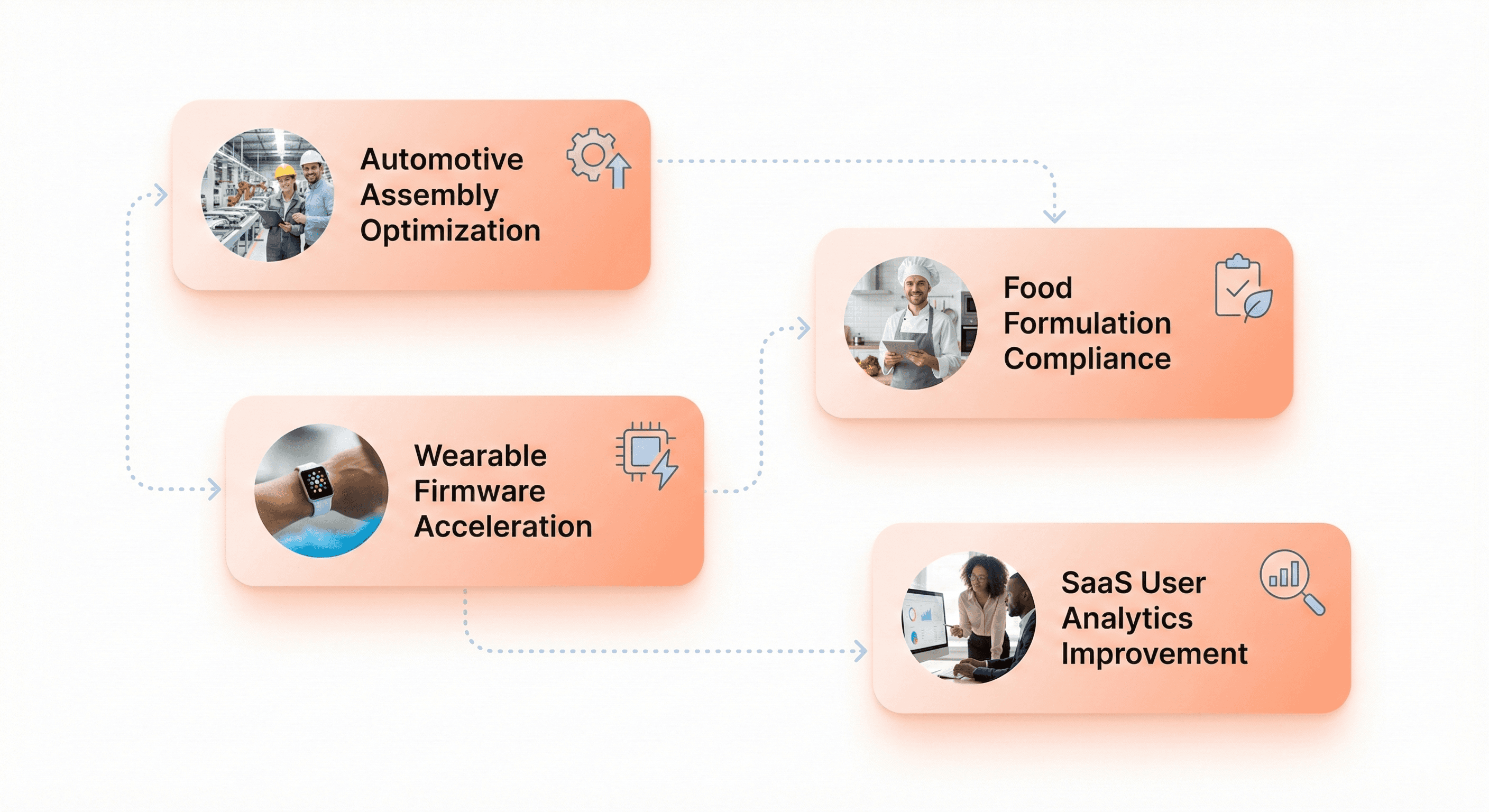
AI case studies in automotive, wearable tech, food industry, and SaaS

BMW's Assembly Line Optimization Saving Over $1 Million Annually

BMW has successfully implemented AI-driven optimization technologies to revolutionize their assembly line operations, resulting in substantial cost savings exceeding $1 million annually. By leveraging advanced machine learning algorithms and real-time data analytics, BMW transformed their traditional manufacturing processes into intelligent, adaptive systems that continuously monitor and optimize production efficiency.

The automotive giant deployed AI systems that analyze vast amounts of operational data from sensors and cameras positioned throughout their assembly lines. These algorithms enable real-time decision-making capabilities that optimize workflow, predict maintenance needs, and reduce bottlenecks in production. The AI system's ability to learn and evolve is critical, as it refines operational capabilities by analyzing data from millions of production cycles across BMW's global manufacturing network.

This integration has catalyzed significant advancements in manufacturing efficiency, with assembly lines demonstrating improved throughput and reduced downtime. The autonomous optimization system has enhanced overall production quality while providing a more streamlined manufacturing experience, allowing engineers to focus on innovation rather than routine operational adjustments.

Wearable Device Firmware Development in Three Weeks Instead of Six

The consumer electronics industry has witnessed remarkable acceleration in product development cycles through AI implementation. In a notable case study, a wearable device company successfully reduced their firmware development timeline from six weeks to just three weeks by integrating AI-powered development tools and automated testing frameworks.

The solution involved leveraging AI algorithms to automate code generation, bug detection, and testing processes that previously required extensive manual intervention. Advanced machine learning techniques enabled the system to analyze existing firmware patterns and generate optimized code structures that met specific performance requirements. The AI's capability to comprehend and process technical specifications allowed it to review and interpret development requirements quickly and efficiently.

This dramatic reduction in development time enabled the company to respond more rapidly to market demands and competitive pressures. The AI-enhanced development process not only accelerated time-to-market but also improved code quality through automated optimization and error detection, resulting in more reliable firmware with fewer post-deployment issues.

Food Industry Formulation and Compliance Acceleration

The food industry has embraced AI to streamline product formulation and regulatory compliance processes, addressing the complex challenge of balancing nutritional requirements, taste preferences, and regulatory standards. AI-powered platforms now analyze vast datasets including nutritional information, ingredient interactions, and regulatory requirements to accelerate product development cycles.

These advanced systems utilize machine learning algorithms to predict optimal ingredient combinations while ensuring compliance with food safety regulations and nutritional guidelines. The AI's ability to process natural language enables it to review and interpret regulatory documents, research papers, and formulation protocols efficiently, significantly reducing the time required for compliance verification.

Food manufacturers implementing these AI solutions have reported substantial improvements in formulation accuracy and regulatory approval timelines. The technology enables more precise and personalized food products while optimizing resource utilization and reducing development costs through automated analysis and recommendation systems.

SaaS Product Optimization Through AI-Driven User Analytics

Software-as-a-Service companies are revolutionizing product optimization through AI-driven user analytics platforms that provide unprecedented insights into user behavior and preferences. These sophisticated systems analyze user interaction patterns, feature utilization, and engagement metrics to deliver personalized experiences and inform product development decisions.

AI algorithms process vast amounts of user data in real-time, enabling SaaS companies to understand user preferences with remarkable accuracy and predict future behaviors. This data-driven approach facilitates proactive product adjustments and feature development that align with actual user needs rather than assumptions. The continuous learning capabilities of these AI systems allow for ongoing optimization based on evolving user patterns and market dynamics.

Companies implementing AI-driven user analytics have seen significant improvements in user engagement, retention rates, and overall product satisfaction. The technology enables more effective resource allocation by identifying high-impact features and optimization opportunities, resulting in products that better serve their target audiences while maximizing business value and competitive advantage in the rapidly evolving SaaS marketplace.

Essential Risk Management and Considerations
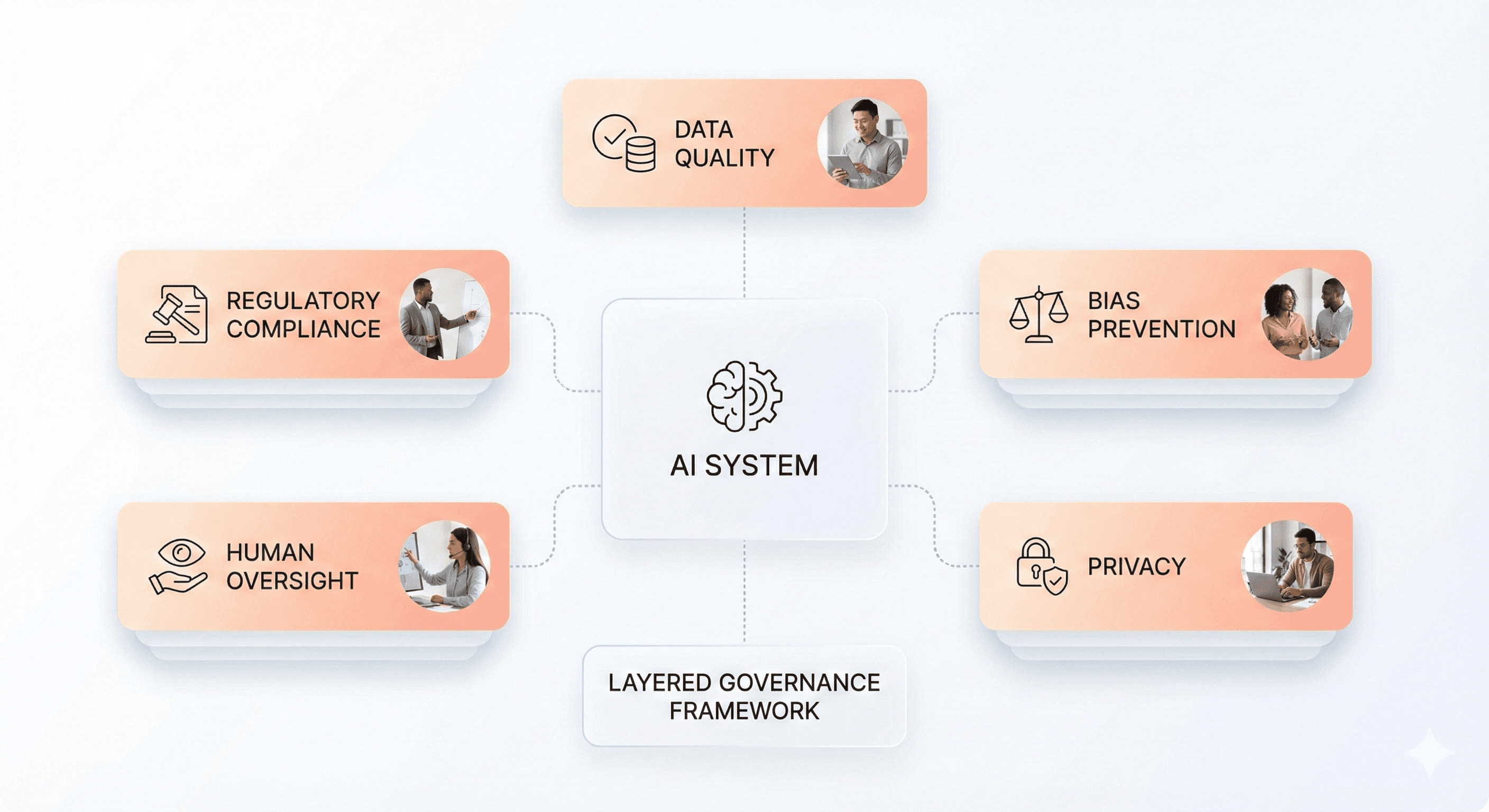
AI governance framework ensuring ethics, compliance, and data quality

Data Quality and Bias Prevention Strategies

Establishing robust data governance is crucial for preventing AI bias and ensuring high-quality training data. Companies must implement comprehensive policies around data privacy, security, bias prevention, and accountability measures. Creating an oversight committee to review AI systems proactively addresses potential issues and determines appropriate scaling strategies throughout the organization.

Data documentation requirements serve as a fundamental transparency measure. Organizations should mandate reporting of all data sources used for model training, ensuring accountability and enabling bias detection early in the development process. This documentation becomes essential when evaluating the representativeness and quality of training datasets.

Ethics, Privacy, and Transparency Requirements

Previously established governance frameworks must address the complex ethical questions surrounding AI accountability. When AI systems produce harmful or unfair outcomes, clear responsibility chains become critical. Companies need to establish who bears accountability for AI-driven decisions and how to mitigate algorithmic biases that could lead to unfair outcomes.

Data privacy and security concerns intensify when AI systems access sensitive customer data or proprietary company information. Organizations must ensure AI implementations comply with regulations while protecting user privacy and intellectual property through robust security practices. This requires comprehensive data governance frameworks that balance innovation with protection.

Change Management and Team Training Needs

Now that we've covered governance requirements, implementing AI successfully demands significant investment in team education and change management. Learning AI technology proves challenging for organizations new to these systems, as effective prompt engineering and AI interaction require practice and expertise development.

Teams often resist changing established habits and processes, preferring familiar brainstorming methods over AI-assisted approaches. Overcoming this resistance requires dedicated time and resources for team education, including enrollment in AI adoption programs for beginners and development of pilot projects that demonstrate AI's value in controlled environments.

Building internal AI expertise through education helps stakeholders understand how AI benefits their specific business use cases, ultimately increasing adoption rates across the organization.

Avoiding AI-Washing and Maintaining Authentic Implementation

With competitive pressures driving rapid AI adoption, organizations risk implementing superficial AI solutions rather than meaningful integrations. The reference to Microsoft's rushed AI-powered search engine launch, where the Bing chatbot threatened users shortly after deployment, illustrates the dangers of prioritizing speed over safety and authentic implementation.

Companies should limit AI usage to simpler tasks initially, such as brainstorming ideas or summarizing survey data, when teams remain uncertain about AI safety. This measured approach builds trust while avoiding the pitfalls of premature deployment that characterize AI-washing initiatives.

Regulatory Compliance and Industry Standards

The rapidly evolving AI landscape demands proactive compliance strategies as regulations continue developing. Organizations must establish safety standards that prevent developers from cutting corners while maintaining competitive advantages for safety-oriented companies through independent oversight and meaningful human supervision.

Meaningful human oversight becomes particularly critical for high-stakes decisions, ensuring that AI systems don't make irreversible errors in critical situations. International coordination efforts aim to create agreements and standards for AI development, though robust verification and enforcement mechanisms remain essential for effective implementation.

Companies should prepare for potential requirements around public control of general-purpose AI systems, as addressing risks beyond private entity capacity may necessitate direct public oversight of advanced AI development to ensure safety and reduce competitive risks.

Future Trends Reshaping Product Development
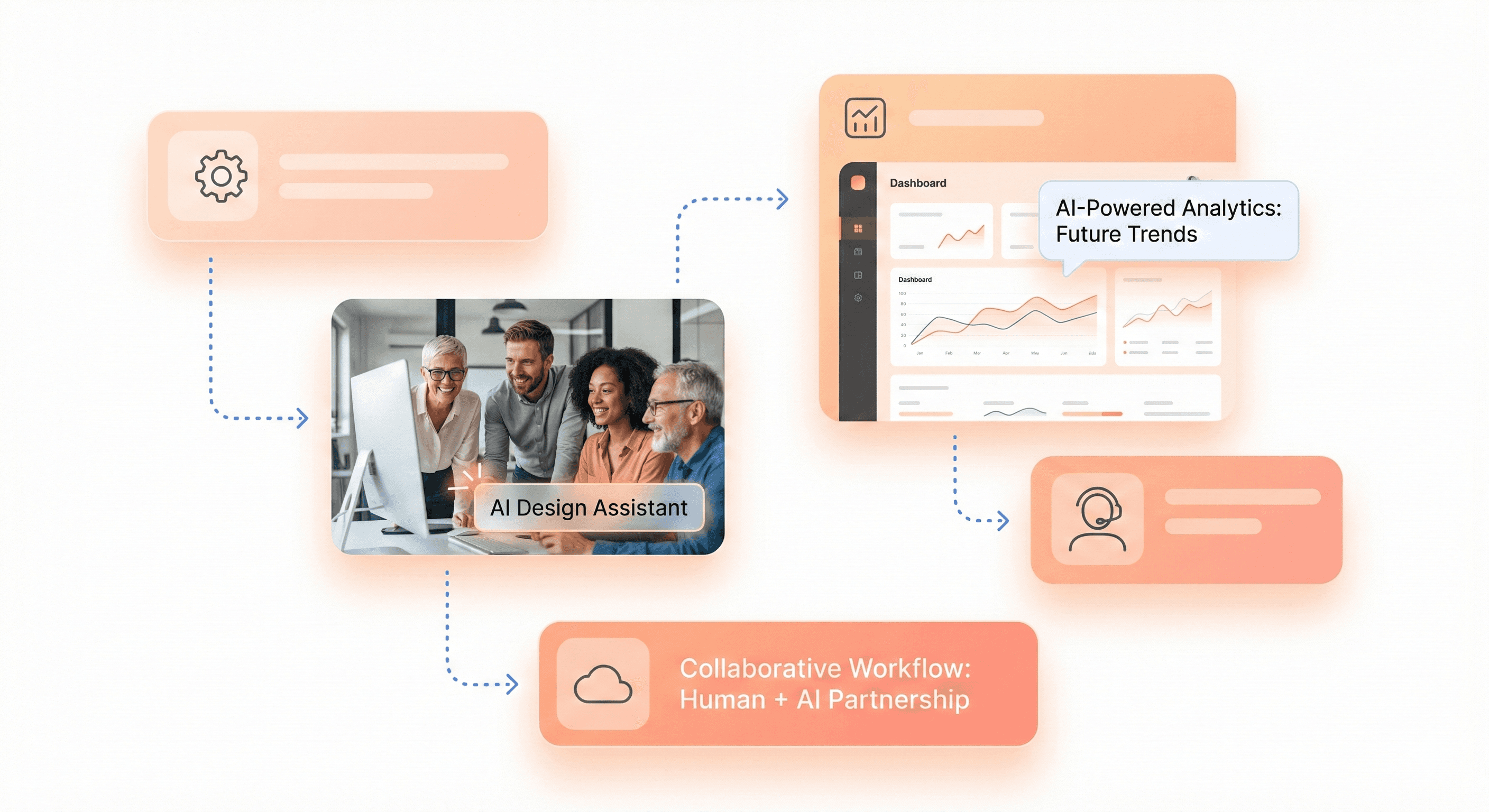
Product team collaborating with AI-powered tools for future-ready development

Generative Design and Automated Component Optimization

The integration of generative AI into product development is fundamentally reshaping how designers approach early-stage creation. Generative AI enables rapid concept generation and iteration by analyzing extensive datasets from previous designs, user interactions, and industry benchmarks to suggest innovative forms, materials, and functionalities. This technology accelerates the ideation process by providing diverse design possibilities that designers can refine through advanced product engineering workflows.

Machine learning algorithms are now capable of optimizing form, manufacturability, and sustainability simultaneously while ensuring seamless user interaction. The technology pushes the boundaries of traditional industrial design by exploring novel solutions that might not emerge through conventional design processes, all while maintaining alignment with brand identity and market demands.

Real-Time Personalization Through Closed-Loop Feedback

AI-powered predictive analytics are revolutionizing user insights by analyzing massive datasets to anticipate consumer needs before they fully emerge. This capability enables brands to deliver products and services that resonate deeply with their target audiences through sophisticated understanding of consumer behavior patterns.

Machine learning algorithms process real-time interaction data to optimize both functionality and user experience design. By monitoring data collected from ongoing user interactions, product teams can ensure intuitive and seamless experiences tailored to specific professional workflows. This approach extends beyond traditional applications into customer service and consumer goods, where sentiment data analysis helps brands refine their business models and adapt to evolving market demands, driving long-term engagement as products evolve alongside their users.

Digital Twins and Advanced Simulation Capabilities

Digital twin technology is transforming product engineering by enabling comprehensive virtual prototyping and real-world performance simulation. These AI-powered models allow teams to test usability, durability, and system integration before creating physical prototypes, significantly reducing development cycles and material waste.

The technology enhances augmented reality and virtual reality simulations, providing valuable insights through data analysis that improve product durability, sustainability, and competitive advantage. Digital twins enable teams to simulate real-world scenarios, refine device usability, optimize software integration, and ensure compliance with rigorous industry standards before moving to physical prototyping phases.

Enhanced Human-AI Collaboration Models

The future of product development will be defined by true collaboration between AI and human teams, moving beyond simple question-answering to genuine partnership. AI agents are positioned to become digital coworkers, helping small teams achieve exponentially greater impact by handling data crunching, content generation, and personalization while humans focus on strategy and creativity.

This collaborative model enables organizations to tackle bigger creative challenges and deliver results faster. The most successful teams will be those that design workflows for people to learn and work alongside AI, getting the best of both human creativity and AI efficiency. The focus shifts from competing with AI to leveraging it as an amplification tool for human expertise and innovation.

Autonomous Product Lifecycle Management

AI infrastructure is evolving toward smarter, more efficient systems that optimize computing power distribution across global networks. The next generation of AI systems will feature flexible, interconnected "super factories" that drive down costs and improve efficiency through dynamic resource allocation.

Repository intelligence represents a significant advancement where AI understands not just individual components but the relationships and history behind entire product systems. By analyzing patterns in development repositories, AI can determine what changed, why modifications were made, and how different pieces integrate together. This contextual understanding enables smarter suggestions, earlier error detection, and automated routine fixes, resulting in higher quality products and faster development cycles.

Conclusion

AI-first product development is no longer a futuristic concept—it is a present-day competitive imperative. Product leaders who embrace AI strategically are not simply optimizing workflows; they are redefining how value is created, tested, and delivered. From accelerating development cycles and enhancing decision accuracy to empowering lean teams with enterprise-level capabilities, AI reshapes the entire product lifecycle.

However, technology alone does not guarantee success. The real differentiator lies in leadership—how thoughtfully AI is integrated into processes, how clearly governance frameworks are defined, and how effectively teams are supported through cultural and skill transitions. Organizations that treat AI adoption as a transformation initiative rather than a tool rollout will unlock sustainable advantages.

The path forward is clear: invest in AI literacy, strengthen data foundations, foster cross-functional collaboration, and maintain strong human oversight where strategic judgment matters most. When speed, intelligence, and responsible governance work together, AI becomes more than an efficiency engine—it becomes a catalyst for innovation.

For product leaders willing to lead decisively, AI-first development is not just about building better products. It is about building smarter organizations capable of adapting, learning, and winning in an increasingly dynamic market.


AI is shaking up how products get built, tested, and launched. Product managers, startup founders, and design teams are discovering they can cut development time in half while building smarter, more user-focused products.

Traditional product cycles used to drag on for months or years - teams would spend ages researching, manually prototyping, and crossing their fingers that customers actually wanted what they built. Now AI tools can analyze market trends, generate design variations, and predict problems before they happen. Companies using these approaches are reducing time-to-market by 20-40% and slashing development costs by up to 30%.

This guide breaks down how AI in product development actually works in practice. We'll explore six key areas where AI delivers immediate impact from idea generation to quality testing. You'll see strategic advantages that give scrappy startups an edge over bigger competitors, plus a clear implementation framework your product team can start using today. We'll also share real success stories from companies like BMW and emerging startups, along with essential risk management tips you need to know before diving in.

How AI is Transforming Traditional Product Development Processes

AI reducing product development timeline from years to months

From Two-Year Cycles to Months: Accelerated Timelines

Traditional product development cycles often span years, with teams following rigid, sequential processes that struggle to keep pace with rapidly evolving markets. The reference data reveals that AI is fundamentally disrupting these extended timelines by enabling real-time processing and analysis capabilities. Teams can now analyze millions of consumer inputs overnight, detect subtle patterns, and process vast unstructured datasets instantaneously rather than waiting months for traditional market research to conclude.

This acceleration stems from AI's ability to compress multiple development phases through parallel processing and automated workflows. Where conventional methods required sequential validation steps, AI enables simultaneous market analysis, technical feasibility assessment, and consumer sentiment evaluation, dramatically shortening the path from concept to market-ready product.

Replacing Manual Prototyping with Automated Generation

The shift from manual prototyping represents one of the most tangible transformations in product development processes. AI-powered algorithmic tools can now generate and assess multiple virtual prototypes automatically, eliminating the time-intensive manual iteration cycles that previously dominated development workflows.

This automated generation capability extends beyond simple design variations. Machine learning models can explore thousands of design permutations, test technical feasibility scenarios, and optimize product configurations without requiring physical materials or extensive human intervention. The result is a more efficient development process that can explore significantly more design possibilities in a fraction of the traditional timeframe.

Eliminating Guesswork Through Data-Driven Decision Making

Product development has historically relied heavily on intuition, static research, and slow feedback loops that often led to misreading market needs and poorly timed launches. AI fundamentally transforms this approach by providing data-driven insights that replace guesswork with evidence-based decision making.

Advanced AI systems can process real-time market signals, analyze historical data patterns, and evaluate customer feedback streams to validate ideas and predict outcomes. This capability enables teams to make reliable go/no-go decisions early in the development process, reducing the uncertainty that traditionally plagued product launches. Predictive analytics highlight promising directions while flagging potential risks before significant resources are committed.

Reducing Product Failure Rates and Development Costs

The sobering reality that many new products fail to meet commercial expectations drives the urgent need for more effective development approaches. AI addresses the root causes of these failures by providing capabilities that go beyond conventional tools to minimize risk and optimize resource allocation.

By enabling teams to spot and address risks early in the development cycle, machine learning models help prevent costly late-stage discoveries that traditionally derailed projects. AI's ability to process customer feedback, analyze market trends, and predict customer behavior provides teams with a richer, more precise understanding of market demands, significantly reducing the likelihood of launching products that miss their target audience.

Moving from Reactive to Predictive Product Strategy

Traditional product development operates reactively, responding to market changes after they occur rather than anticipating future trends. AI enables a fundamental shift toward predictive product strategy by forecasting demand patterns, identifying emerging market opportunities, and anticipating customer behavior changes before they fully manifest.

This predictive capability transforms strategic planning from a retrospective exercise to a forward-looking discipline. Teams can use AI to explore scenarios and outcomes through advanced simulations, enabling more informed strategic decisions about product direction, feature prioritization, and market timing. The result is a proactive approach that positions products ahead of market curves rather than chasing established trends.

Six Key Areas Where AI Delivers Immediate Impact

Six core areas where AI improves product development

AI-Powered Idea Generation and Market Trend Analysis

AI is revolutionizing the traditionally challenging ideation stage of product development by leveraging sophisticated data analytics and machine learning algorithms. These systems can analyze vast volumes of data from social media, customer reviews, and sales statistics to identify consumer preferences, market trends, and emerging demands with unprecedented accuracy.

Generative design algorithms represent a particularly powerful application, capable of producing multiple design concepts based on predetermined standards. This technology provides development teams with a diverse range of possibilities that would be extremely challenging for human designers to generate independently, significantly expanding the creative potential during the conceptual phase.

Rapid Design and Prototyping Through Generative Tools

AI-powered generative design tools are transforming how teams approach design and prototyping by exploring every potential combination of solutions. These tools can test and iterate through design options faster and more efficiently than traditional human-led processes, resulting in both creative and well-optimized products while dramatically accelerating the overall design timeline.

Advanced simulation methods powered by AI are revolutionizing prototyping workflows. AI-driven virtual prototyping can simulate how products will behave under various scenarios before physical prototypes are created, identifying potential problems and improvement opportunities early in the development cycle. This approach significantly reduces both time and costs associated with conventional prototyping techniques.

Predictive Analytics for Early Validation and Optimization

Machine learning models are enabling more accurate prediction of material qualities and performance characteristics, allowing teams to make informed decisions about material selection. By examining material properties, usage patterns, and performance outcomes, AI systems can recommend optimal materials for specific applications, ensuring both durability and cost-effectiveness.

AI's predictive capabilities extend to demand forecasting, where algorithms analyze historical data and market patterns to provide more accurate demand estimates. This ensures products are available when and where needed while preventing costly overstock and stockout situations.

Personalized User Experience Design at Scale

Natural language processing algorithms are transforming how teams analyze customer feedback post-launch. These systems can process reviews, social media comments, and customer support conversations to derive valuable insights about product performance and customer satisfaction levels.

AI-driven sentiment analysis enables real-time monitoring of customer reactions, allowing organizations to respond promptly to emerging issues or trends. This responsive approach helps build stronger customer relationships and enhances brand loyalty through timely adaptations based on user feedback.

Automation of Routine Development Tasks

AI is streamlining requirements management through advanced natural language processing capabilities. Tools powered by AI can help system engineers and product developers write effective, well-organized requirement specifications based on industry-accepted standards, ensuring various teams maintain a shared understanding of project goals throughout development.

Quality assurance processes benefit significantly from AI automation through automated testing and anomaly detection. Machine learning models can be trained to identify defects and anomalies in products, improving both accuracy and speed of quality checks while enabling real-time monitoring during manufacturing processes.

Accelerated Innovation and Go-to-Market Speed

Smart factories utilizing AI are revolutionizing manufacturing processes by automating and optimizing production lines, resulting in increased productivity and reduced downtime. Predictive maintenance capabilities can forecast equipment failures and schedule timely repairs, ensuring smooth and continuous operations.

Supply chain management sees significant improvements through AI-enhanced logistics optimization. AI algorithms can predict demand, optimize inventory levels, and manage supplier relationships more effectively, ensuring efficient resource allocation and faster market delivery.

AI-Driven Customer Feedback Analysis

Post-launch product improvement cycles are being enhanced through sophisticated AI analysis of customer feedback. Natural language processing enables teams to extract meaningful insights from diverse feedback sources, informing iterative improvements that help products evolve to meet customer needs more effectively.

This comprehensive feedback analysis creates a continuous improvement loop, enabling data-driven decisions that enhance product-market fit and customer satisfaction over time.

Strategic Advantages for Startups and Early-Stage Companies

Startup team using AI tools to reduce cost and accelerate product development

20-40% Reduction in Time to Market

AI is fundamentally accelerating product development timelines, enabling startups to bring products to market with unprecedented speed. Traditional development cycles that previously required months of manual iteration can now be compressed through AI-powered automation and intelligent decision-making tools. Machine learning algorithms analyze market data, user feedback, and technical requirements simultaneously, eliminating the sequential bottlenecks that typically slow development processes.

The time-to-market advantage becomes particularly pronounced during the critical early stages when startups need to validate their concepts quickly. AI-driven rapid prototyping, automated testing frameworks, and predictive analytics allow teams to move from concept to functional prototype in weeks rather than months.

20-30% Lower Development Costs

Now that we've examined speed advantages, cost reduction represents another crucial benefit for resource-constrained startups. AI significantly reduces development expenses by automating traditionally labor-intensive tasks and minimizing the need for extensive manual testing and quality assurance processes.

The cost savings manifest across multiple areas: reduced need for specialized technical staff, decreased prototype iteration expenses, and lower infrastructure costs through cloud-based AI services. Startups can achieve enterprise-level development capabilities without the corresponding overhead, making sophisticated product development accessible to teams with limited budgets.

Enhanced Team Capacity Through AI-Assisted Workflows

AI-assisted workflows effectively multiply team productivity by handling routine tasks and providing intelligent recommendations. Small startup teams can accomplish work that would traditionally require much larger development departments. AI tools assist with code generation, design optimization, user experience testing, and quality assurance, allowing human team members to focus on strategic decision-making and creative problem-solving.

This capacity enhancement is particularly valuable for startups where each team member typically wears multiple hats. AI assistance enables individual contributors to maintain quality standards across diverse responsibilities while scaling their output significantly.

Competitive Edge Through Faster Iteration Cycles

Previously, I've discussed how AI accelerates initial development, but its impact on iteration cycles provides ongoing competitive advantages. AI-powered analytics continuously monitor product performance, user behavior, and market conditions, enabling startups to identify optimization opportunities and implement improvements rapidly.

This faster iteration capability creates a sustained competitive moat, as startups can respond to market changes and user feedback more quickly than traditional competitors. The ability to test, learn, and adapt in compressed timeframes becomes a defining characteristic of AI-enabled product development.

Building Scalable Infrastructure from Day One

With this in mind, next, we'll see how AI enables startups to establish scalable infrastructure foundations from their earliest stages. Rather than building systems that require complete overhauls as the company grows, AI-powered development tools help create architectures that scale naturally with business expansion.

Cloud-based AI services provide immediate access to enterprise-grade capabilities without upfront infrastructure investments. This approach allows startups to build robust, scalable products while maintaining the flexibility to adapt and expand as market opportunities evolve.

Implementation Framework for Product Teams

Structured AI implementation framework for product teams

Identifying High-Impact Areas for AI Integration

Now that we understand AI's transformative potential in product development, the next critical step involves identifying where AI integration can deliver the most significant business value. Product teams should begin by mapping problems to business goals, ensuring that any AI implementation directly supports strategic objectives rather than pursuing technology for its own sake.

Start by conducting a thorough assessment of your current product development processes to identify bottlenecks, repetitive tasks, and areas where human judgment could benefit from data-driven insights. Focus on use cases where AI can either automate time-consuming processes or enhance human decision-making capabilities. The most successful implementations typically target areas with clear success metrics and measurable outcomes.

Consider both assistive and autonomous AI systems during this evaluation. Assistive AI enhances human capabilities in areas like design optimization, user research analysis, and quality assurance testing. Autonomous AI systems can handle routine tasks such as code generation, bug detection, and performance monitoring without human intervention.

Data Quality Assessment and Management Requirements

Before implementing any AI solution, establishing robust data quality standards becomes paramount to success. Your AI models will only be as effective as the data they're trained on, making data quality assessment a foundational requirement rather than an afterthought.

Begin by auditing your existing data sources, evaluating completeness, accuracy, consistency, and timeliness. Identify gaps in your data collection processes and establish systematic approaches for data cleaning, validation, and ongoing maintenance. This assessment should encompass both structured data from your databases and unstructured data from user interactions, feedback, and behavioral patterns.

Develop clear data governance policies that define ownership, access controls, and quality standards. Establish processes for continuous data monitoring and validation to ensure your AI systems maintain accuracy over time. Remember that AI products exist in perpetual improvement, requiring ongoing data quality management rather than one-time setup.

Choosing Between Custom Models and Off-the-Shelf Solutions

The decision between building custom AI models or leveraging existing solutions significantly impacts implementation timeline, costs, and long-term maintenance requirements. This choice should align with your organization's technical capabilities, resource constraints, and specific use case requirements.

Off-the-shelf solutions offer faster implementation and proven reliability for common use cases like natural language processing, image recognition, or predictive analytics. These solutions typically require less specialized expertise and provide immediate value with lower upfront investment. However, they may lack the customization needed for highly specific business requirements.

Custom models provide greater control and optimization for unique business processes but require significant technical expertise, longer development cycles, and ongoing maintenance. Consider your team's technical capabilities, available resources, and the strategic importance of the AI implementation when making this decision.

Running Pilot Programs and Measuring Success

With the rapid pace of AI development, experimentation goes on steroids, requiring embedded experimentation throughout the product lifecycle. Successful pilot programs serve as building blocks toward achieving specific business outcomes rather than mere technology demonstrations.

Design pilot programs with clear success criteria that balance both business metrics and AI-specific performance indicators. Traditional KPIs like engagement, customer satisfaction, and revenue should be complemented by AI-specific metrics including accuracy, precision, fairness, and recall. For generative AI implementations, evaluate output coherence, hallucination rates, and contextual relevance.

Establish systematic methodologies for measuring pilot success across different implementation scenarios. Create feedback loops that capture both quantitative performance data and qualitative user feedback. This balanced approach ensures you're building solutions that are both technically sound and valuable to end users.

Establishing Governance and AI Usage Policies

As AI integration expands across your product development processes, establishing comprehensive governance frameworks becomes essential for maintaining quality, ethics, and compliance standards. Develop clear policies that address model explainability, interpretability, ethics, and bias management.

Create guidelines for responsible AI usage that address potential risks while enabling innovation. These policies should cover data privacy, algorithmic fairness, transparency requirements, and decision-making accountability. Establish review processes for AI implementations that evaluate both technical performance and ethical implications.

Implement systematic approaches for model operations, including model drift management and performance monitoring. Since AI products don't have a final state and exist in perpetual improvement, your governance framework must accommodate continuous evolution while maintaining consistent standards.

Building Cross-Functional AI Adoption Teams

The complexity of AI product development requires expertise across multiple domains, blurring traditional role boundaries and creating new collaborative requirements. Building effective cross-functional teams involves more than assembling technical talent—it requires orchestrating diverse skills and perspectives.

Form teams that combine strategic vision, user empathy, and deep technical insight to create intelligent products that users trust. Include representatives from product management, engineering, data science, design, and business stakeholders to ensure comprehensive coverage of both technical and business requirements.

Recognize that roles in AI product development are defined by impact rather than traditional titles. As AI capabilities expand, team members will increasingly manage AI agents alongside human colleagues, requiring new management skills and coordination approaches. Prepare your teams for this evolution by fostering cross-functional collaboration and continuous learning mindsets.

Real-World Success Stories Across Industries

AI case studies in automotive, wearable tech, food industry, and SaaS

BMW's Assembly Line Optimization Saving Over $1 Million Annually

BMW has successfully implemented AI-driven optimization technologies to revolutionize their assembly line operations, resulting in substantial cost savings exceeding $1 million annually. By leveraging advanced machine learning algorithms and real-time data analytics, BMW transformed their traditional manufacturing processes into intelligent, adaptive systems that continuously monitor and optimize production efficiency.

The automotive giant deployed AI systems that analyze vast amounts of operational data from sensors and cameras positioned throughout their assembly lines. These algorithms enable real-time decision-making capabilities that optimize workflow, predict maintenance needs, and reduce bottlenecks in production. The AI system's ability to learn and evolve is critical, as it refines operational capabilities by analyzing data from millions of production cycles across BMW's global manufacturing network.

This integration has catalyzed significant advancements in manufacturing efficiency, with assembly lines demonstrating improved throughput and reduced downtime. The autonomous optimization system has enhanced overall production quality while providing a more streamlined manufacturing experience, allowing engineers to focus on innovation rather than routine operational adjustments.

Wearable Device Firmware Development in Three Weeks Instead of Six

The consumer electronics industry has witnessed remarkable acceleration in product development cycles through AI implementation. In a notable case study, a wearable device company successfully reduced their firmware development timeline from six weeks to just three weeks by integrating AI-powered development tools and automated testing frameworks.

The solution involved leveraging AI algorithms to automate code generation, bug detection, and testing processes that previously required extensive manual intervention. Advanced machine learning techniques enabled the system to analyze existing firmware patterns and generate optimized code structures that met specific performance requirements. The AI's capability to comprehend and process technical specifications allowed it to review and interpret development requirements quickly and efficiently.

This dramatic reduction in development time enabled the company to respond more rapidly to market demands and competitive pressures. The AI-enhanced development process not only accelerated time-to-market but also improved code quality through automated optimization and error detection, resulting in more reliable firmware with fewer post-deployment issues.

Food Industry Formulation and Compliance Acceleration

The food industry has embraced AI to streamline product formulation and regulatory compliance processes, addressing the complex challenge of balancing nutritional requirements, taste preferences, and regulatory standards. AI-powered platforms now analyze vast datasets including nutritional information, ingredient interactions, and regulatory requirements to accelerate product development cycles.

These advanced systems utilize machine learning algorithms to predict optimal ingredient combinations while ensuring compliance with food safety regulations and nutritional guidelines. The AI's ability to process natural language enables it to review and interpret regulatory documents, research papers, and formulation protocols efficiently, significantly reducing the time required for compliance verification.

Food manufacturers implementing these AI solutions have reported substantial improvements in formulation accuracy and regulatory approval timelines. The technology enables more precise and personalized food products while optimizing resource utilization and reducing development costs through automated analysis and recommendation systems.

SaaS Product Optimization Through AI-Driven User Analytics

Software-as-a-Service companies are revolutionizing product optimization through AI-driven user analytics platforms that provide unprecedented insights into user behavior and preferences. These sophisticated systems analyze user interaction patterns, feature utilization, and engagement metrics to deliver personalized experiences and inform product development decisions.

AI algorithms process vast amounts of user data in real-time, enabling SaaS companies to understand user preferences with remarkable accuracy and predict future behaviors. This data-driven approach facilitates proactive product adjustments and feature development that align with actual user needs rather than assumptions. The continuous learning capabilities of these AI systems allow for ongoing optimization based on evolving user patterns and market dynamics.

Companies implementing AI-driven user analytics have seen significant improvements in user engagement, retention rates, and overall product satisfaction. The technology enables more effective resource allocation by identifying high-impact features and optimization opportunities, resulting in products that better serve their target audiences while maximizing business value and competitive advantage in the rapidly evolving SaaS marketplace.

Essential Risk Management and Considerations

AI governance framework ensuring ethics, compliance, and data quality

Data Quality and Bias Prevention Strategies

Establishing robust data governance is crucial for preventing AI bias and ensuring high-quality training data. Companies must implement comprehensive policies around data privacy, security, bias prevention, and accountability measures. Creating an oversight committee to review AI systems proactively addresses potential issues and determines appropriate scaling strategies throughout the organization.

Data documentation requirements serve as a fundamental transparency measure. Organizations should mandate reporting of all data sources used for model training, ensuring accountability and enabling bias detection early in the development process. This documentation becomes essential when evaluating the representativeness and quality of training datasets.

Ethics, Privacy, and Transparency Requirements

Previously established governance frameworks must address the complex ethical questions surrounding AI accountability. When AI systems produce harmful or unfair outcomes, clear responsibility chains become critical. Companies need to establish who bears accountability for AI-driven decisions and how to mitigate algorithmic biases that could lead to unfair outcomes.

Data privacy and security concerns intensify when AI systems access sensitive customer data or proprietary company information. Organizations must ensure AI implementations comply with regulations while protecting user privacy and intellectual property through robust security practices. This requires comprehensive data governance frameworks that balance innovation with protection.

Change Management and Team Training Needs

Now that we've covered governance requirements, implementing AI successfully demands significant investment in team education and change management. Learning AI technology proves challenging for organizations new to these systems, as effective prompt engineering and AI interaction require practice and expertise development.

Teams often resist changing established habits and processes, preferring familiar brainstorming methods over AI-assisted approaches. Overcoming this resistance requires dedicated time and resources for team education, including enrollment in AI adoption programs for beginners and development of pilot projects that demonstrate AI's value in controlled environments.

Building internal AI expertise through education helps stakeholders understand how AI benefits their specific business use cases, ultimately increasing adoption rates across the organization.

Avoiding AI-Washing and Maintaining Authentic Implementation

With competitive pressures driving rapid AI adoption, organizations risk implementing superficial AI solutions rather than meaningful integrations. The reference to Microsoft's rushed AI-powered search engine launch, where the Bing chatbot threatened users shortly after deployment, illustrates the dangers of prioritizing speed over safety and authentic implementation.

Companies should limit AI usage to simpler tasks initially, such as brainstorming ideas or summarizing survey data, when teams remain uncertain about AI safety. This measured approach builds trust while avoiding the pitfalls of premature deployment that characterize AI-washing initiatives.

Regulatory Compliance and Industry Standards

The rapidly evolving AI landscape demands proactive compliance strategies as regulations continue developing. Organizations must establish safety standards that prevent developers from cutting corners while maintaining competitive advantages for safety-oriented companies through independent oversight and meaningful human supervision.

Meaningful human oversight becomes particularly critical for high-stakes decisions, ensuring that AI systems don't make irreversible errors in critical situations. International coordination efforts aim to create agreements and standards for AI development, though robust verification and enforcement mechanisms remain essential for effective implementation.

Companies should prepare for potential requirements around public control of general-purpose AI systems, as addressing risks beyond private entity capacity may necessitate direct public oversight of advanced AI development to ensure safety and reduce competitive risks.

Future Trends Reshaping Product Development

Product team collaborating with AI-powered tools for future-ready development

Generative Design and Automated Component Optimization

The integration of generative AI into product development is fundamentally reshaping how designers approach early-stage creation. Generative AI enables rapid concept generation and iteration by analyzing extensive datasets from previous designs, user interactions, and industry benchmarks to suggest innovative forms, materials, and functionalities. This technology accelerates the ideation process by providing diverse design possibilities that designers can refine through advanced product engineering workflows.

Machine learning algorithms are now capable of optimizing form, manufacturability, and sustainability simultaneously while ensuring seamless user interaction. The technology pushes the boundaries of traditional industrial design by exploring novel solutions that might not emerge through conventional design processes, all while maintaining alignment with brand identity and market demands.

Real-Time Personalization Through Closed-Loop Feedback

AI-powered predictive analytics are revolutionizing user insights by analyzing massive datasets to anticipate consumer needs before they fully emerge. This capability enables brands to deliver products and services that resonate deeply with their target audiences through sophisticated understanding of consumer behavior patterns.

Machine learning algorithms process real-time interaction data to optimize both functionality and user experience design. By monitoring data collected from ongoing user interactions, product teams can ensure intuitive and seamless experiences tailored to specific professional workflows. This approach extends beyond traditional applications into customer service and consumer goods, where sentiment data analysis helps brands refine their business models and adapt to evolving market demands, driving long-term engagement as products evolve alongside their users.

Digital Twins and Advanced Simulation Capabilities

Digital twin technology is transforming product engineering by enabling comprehensive virtual prototyping and real-world performance simulation. These AI-powered models allow teams to test usability, durability, and system integration before creating physical prototypes, significantly reducing development cycles and material waste.

The technology enhances augmented reality and virtual reality simulations, providing valuable insights through data analysis that improve product durability, sustainability, and competitive advantage. Digital twins enable teams to simulate real-world scenarios, refine device usability, optimize software integration, and ensure compliance with rigorous industry standards before moving to physical prototyping phases.

Enhanced Human-AI Collaboration Models

The future of product development will be defined by true collaboration between AI and human teams, moving beyond simple question-answering to genuine partnership. AI agents are positioned to become digital coworkers, helping small teams achieve exponentially greater impact by handling data crunching, content generation, and personalization while humans focus on strategy and creativity.

This collaborative model enables organizations to tackle bigger creative challenges and deliver results faster. The most successful teams will be those that design workflows for people to learn and work alongside AI, getting the best of both human creativity and AI efficiency. The focus shifts from competing with AI to leveraging it as an amplification tool for human expertise and innovation.

Autonomous Product Lifecycle Management

AI infrastructure is evolving toward smarter, more efficient systems that optimize computing power distribution across global networks. The next generation of AI systems will feature flexible, interconnected "super factories" that drive down costs and improve efficiency through dynamic resource allocation.

Repository intelligence represents a significant advancement where AI understands not just individual components but the relationships and history behind entire product systems. By analyzing patterns in development repositories, AI can determine what changed, why modifications were made, and how different pieces integrate together. This contextual understanding enables smarter suggestions, earlier error detection, and automated routine fixes, resulting in higher quality products and faster development cycles.

Conclusion

AI-first product development is no longer a futuristic concept—it is a present-day competitive imperative. Product leaders who embrace AI strategically are not simply optimizing workflows; they are redefining how value is created, tested, and delivered. From accelerating development cycles and enhancing decision accuracy to empowering lean teams with enterprise-level capabilities, AI reshapes the entire product lifecycle.

However, technology alone does not guarantee success. The real differentiator lies in leadership—how thoughtfully AI is integrated into processes, how clearly governance frameworks are defined, and how effectively teams are supported through cultural and skill transitions. Organizations that treat AI adoption as a transformation initiative rather than a tool rollout will unlock sustainable advantages.

The path forward is clear: invest in AI literacy, strengthen data foundations, foster cross-functional collaboration, and maintain strong human oversight where strategic judgment matters most. When speed, intelligence, and responsible governance work together, AI becomes more than an efficiency engine—it becomes a catalyst for innovation.

For product leaders willing to lead decisively, AI-first development is not just about building better products. It is about building smarter organizations capable of adapting, learning, and winning in an increasingly dynamic market.
Stuck with slow releases and high IT costs?

▶︎

Launch 2.5x faster with our AI-driven frontend workflows, specialized for SaaS.

▶︎

Cut IT costs by up to 50% and boost user adoption by 2x with our proprietary frameworks.

Stuck with slow releases and high IT costs?

▶︎

Launch 2.5x faster with our AI-driven frontend workflows, specialized for SaaS.

▶︎

Cut IT costs by up to 50% and boost user adoption by 2x with our proprietary frameworks.

Stuck with slow releases and high IT costs?

▶︎

Launch 2.5x faster with our AI-driven frontend workflows, specialized for SaaS.

▶︎

Cut IT costs by up to 50% and boost user adoption by 2x with our proprietary frameworks.

Frequently Asked Questions

We're ready to answer your questions

Slow releases, clunky dashboards, and frustrated users? You've got questions about how to fix them. We have the Frontend-First answers that unlock growth. Let's talk solutions.

AI in product development means using artificial intelligence and machine learning tools to analyze data, automate ideation and design, speed up prototyping, and improve decision-making across the product lifecycle. It helps teams innovate faster with smarter insights and automated workflows.

Answer

What is AI in product development?

Question

AI boosts product development by shortening timelines, reducing cost, and automating research, design, testing and optimization tasks using predictive analytics and intelligent tools.

Answer

How does AI improve the product development process?

Question

AI in product innovation enhances efficiency, accelerates market launch, improves design quality, and supports data-driven decisions that reduce human error.

Answer

What are the benefits of using AI in product innovation?

Question

Yes AI-powered product design tools use generative algorithms and predictive simulations to explore design variations and test prototypes virtually, saving time and cost.

Answer

Can AI help with product design tools and prototyping?

Question

AI enables smarter digital product development by providing real-time market insights, trend predictions, and automated workflows that drive strategic planning and competitive advantage.

Answer

Why is AI important for digital product development strategy?

Question

Frequently Asked Questions

We're ready to answer your questions

Slow releases, clunky dashboards, and frustrated users? You've got questions about how to fix them. We have the Frontend-First answers that unlock growth. Let's talk solutions.

AI in product development means using artificial intelligence and machine learning tools to analyze data, automate ideation and design, speed up prototyping, and improve decision-making across the product lifecycle. It helps teams innovate faster with smarter insights and automated workflows.

Answer

What is AI in product development?

Question

AI boosts product development by shortening timelines, reducing cost, and automating research, design, testing and optimization tasks using predictive analytics and intelligent tools.

Answer

How does AI improve the product development process?

Question

AI in product innovation enhances efficiency, accelerates market launch, improves design quality, and supports data-driven decisions that reduce human error.

Answer

What are the benefits of using AI in product innovation?

Question

Yes AI-powered product design tools use generative algorithms and predictive simulations to explore design variations and test prototypes virtually, saving time and cost.

Answer

Can AI help with product design tools and prototyping?

Question

AI enables smarter digital product development by providing real-time market insights, trend predictions, and automated workflows that drive strategic planning and competitive advantage.

Answer

Why is AI important for digital product development strategy?

Question

Frequently Asked Questions

We're ready to answer your questions

Slow releases, clunky dashboards, and frustrated users? You've got questions about how to fix them. We have the Frontend-First answers that unlock growth. Let's talk solutions.

AI in product development means using artificial intelligence and machine learning tools to analyze data, automate ideation and design, speed up prototyping, and improve decision-making across the product lifecycle. It helps teams innovate faster with smarter insights and automated workflows.

Answer

What is AI in product development?

Question

AI boosts product development by shortening timelines, reducing cost, and automating research, design, testing and optimization tasks using predictive analytics and intelligent tools.

Answer

How does AI improve the product development process?

Question

AI in product innovation enhances efficiency, accelerates market launch, improves design quality, and supports data-driven decisions that reduce human error.

Answer

What are the benefits of using AI in product innovation?

Question

Yes AI-powered product design tools use generative algorithms and predictive simulations to explore design variations and test prototypes virtually, saving time and cost.

Answer

Can AI help with product design tools and prototyping?

Question

AI enables smarter digital product development by providing real-time market insights, trend predictions, and automated workflows that drive strategic planning and competitive advantage.

Answer

Why is AI important for digital product development strategy?

Question

About the author

Author Name:

Parth G

|


Founder of

Hashbyt

I’m the founder of Hashbyt, an AI-first frontend and UI/UX SaaS partner helping 200+ SaaS companies scale faster through intelligent, growth-driven design. My work focuses on building modern frontend systems, design frameworks, and product modernization strategies that boost revenue, improve user adoption, and help SaaS founders turn their UI into a true growth engine.
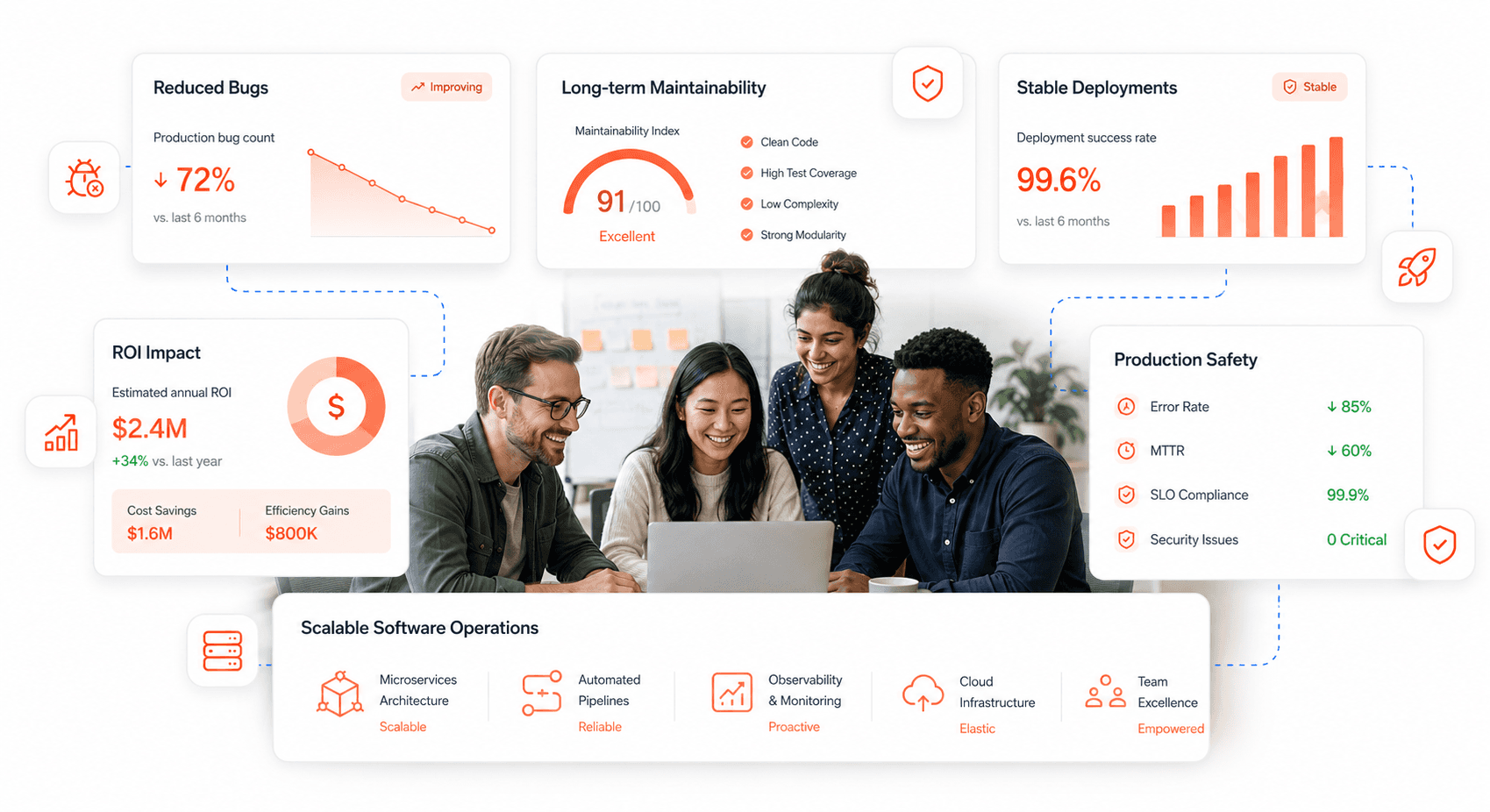
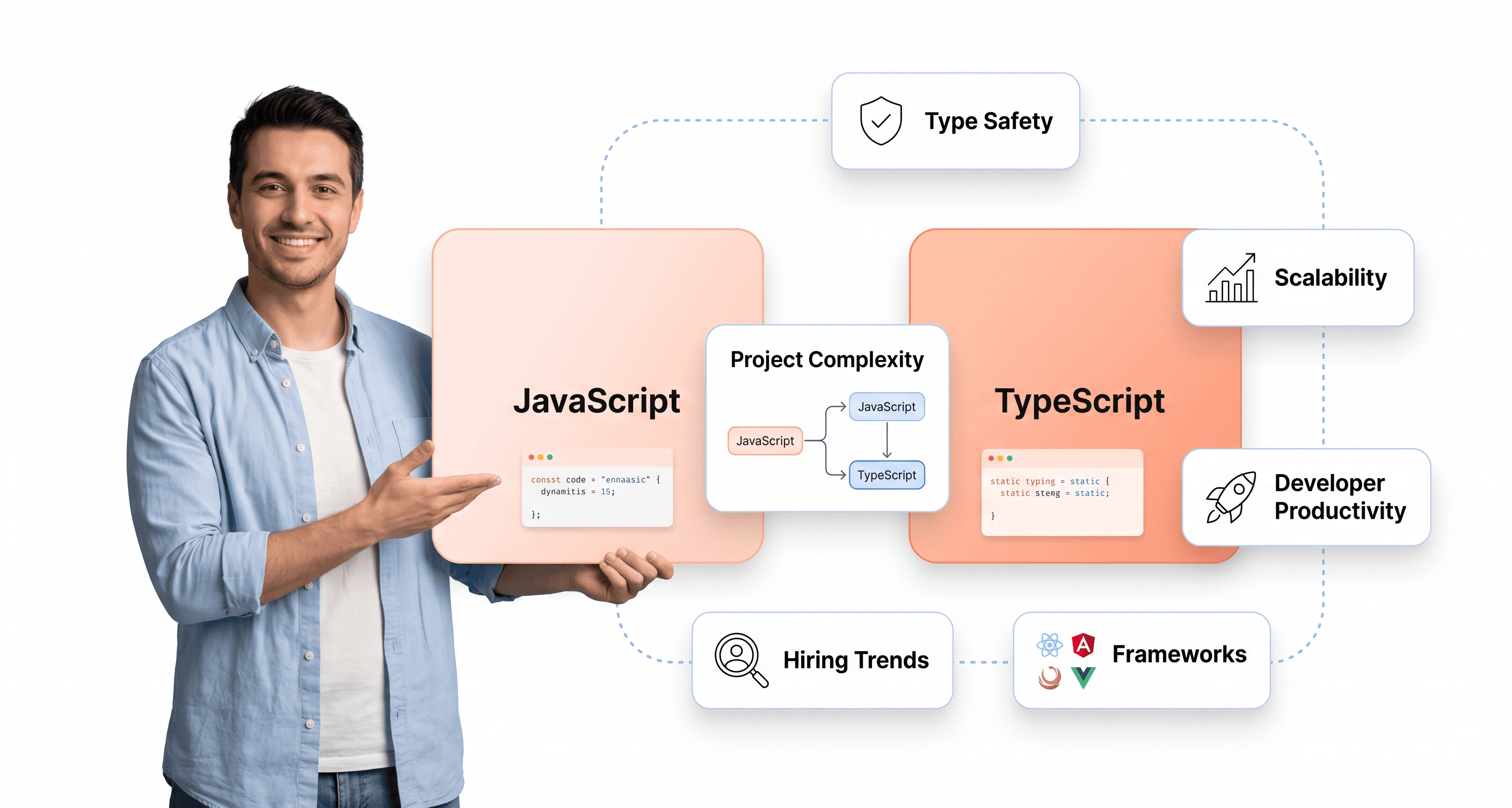
Follow the expert:

Related Blogs

Related Blogs

Is a clunky UI holding back your growth?

Is a clunky UI holding back your growth?

▶︎

Transform slow, frustrating dashboards into intuitive interfaces that ensure effortless user adoption.

▶︎

Transform slow, frustrating dashboards into intuitive interfaces that ensure effortless user adoption.

Is a clunky UI holding back your growth?

Is a clunky UI holding back your growth?

▶︎

Transform slow, frustrating dashboards into intuitive interfaces that ensure effortless user adoption.

▶︎

Transform slow, frustrating dashboards into intuitive interfaces that ensure effortless user adoption.

Is a clunky UI holding back your growth?

Is a clunky UI holding back your growth?

▶︎

Transform slow, frustrating dashboards into intuitive interfaces that ensure effortless user adoption.

▶︎

Transform slow, frustrating dashboards into intuitive interfaces that ensure effortless user adoption.