

Your software is getting harder to maintain, and you're not imagining it. If you're a developer, engineering manager, or tech lead watching your team struggle with bugs that take longer to fix and features that require more effort to ship, you're experiencing a real industry-wide problem.
The challenge isn't just your ageing codebase, it's the combination of market forces, technical choices, and workplace dynamics that make software maintenance challenges worse each year. Modern development practices promise faster delivery, but they often create hidden maintenance cost increases down the line.
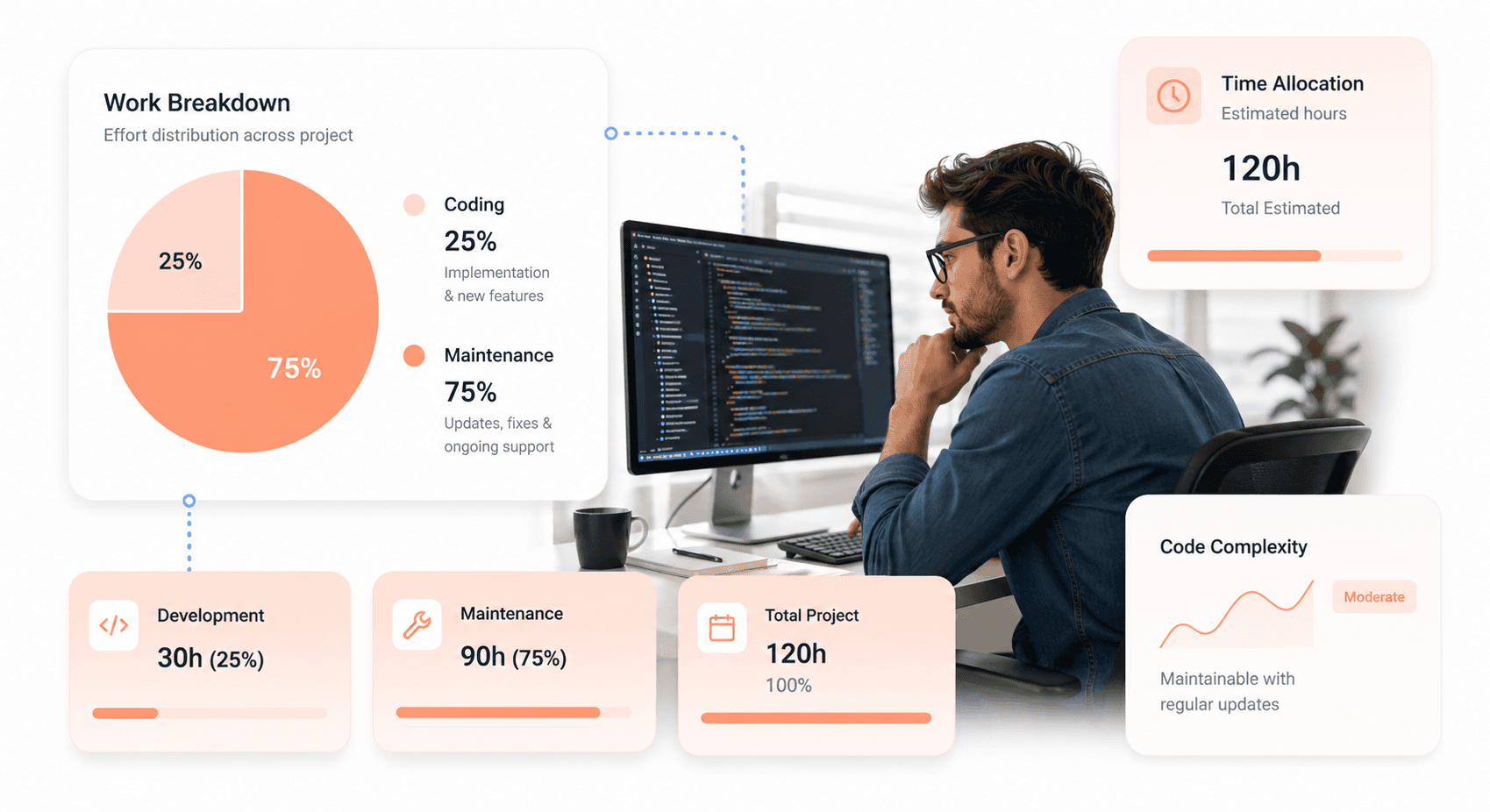
You'll learn why the forces driving this trend affect every development team, from startups to enterprise companies. We'll explore how writing code represents only 25% of a feature's total work, yet most planning ignores the other 75%. You'll also discover why career incentives push developers toward new features instead of maintenance work, creating a technical debt accumulation cycle that compounds over time.
Finally, we'll examine how today's development practices from rapid technology adoption to remote work structures impact long-term code maintainability in ways most teams don't anticipate.
The Growing Forces Making Software Maintenance More Difficult
High demand for engineers creating higher turnover rates
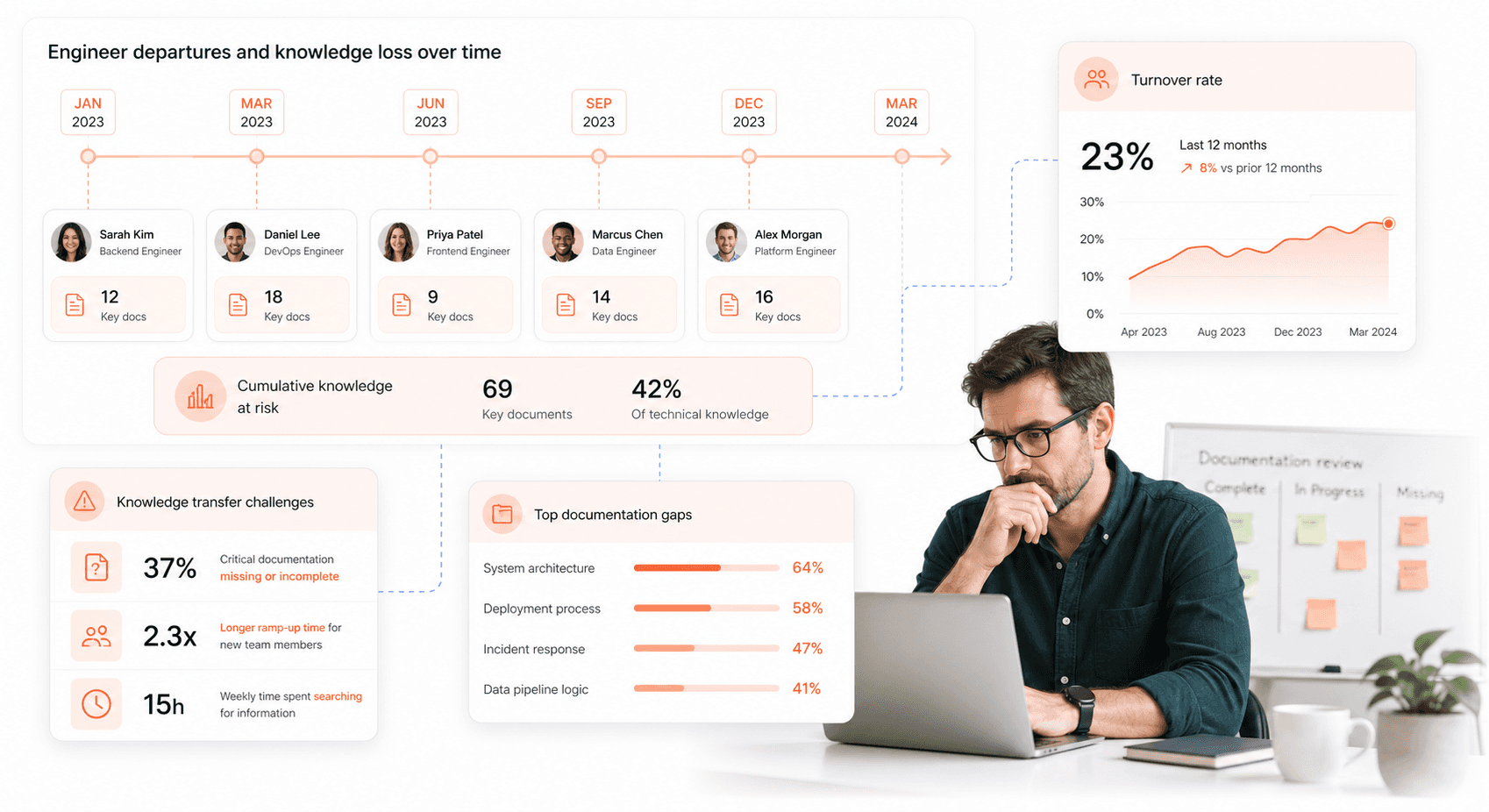
You're witnessing an unprecedented phenomenon in the software engineering market. The high demand for software engineers has created a perfect storm that's fundamentally changing how teams operate and, consequently, how maintainable your software becomes over time. When engineers can easily find new opportunities with significant salary increases, they naturally stay for shorter periods at each company. This constant churn means that the developers who originally built your systems are rarely around to maintain them.
Your codebase becomes increasingly orphaned as each departing engineer takes with them the institutional knowledge, design decisions, and subtle understanding of why certain architectural choices were made. The engineers who replace them must spend considerable time reverse-engineering not just the code itself, but the reasoning behind it. This knowledge transfer gap creates a cascade effect where each new team member operates with incomplete understanding, leading to maintenance decisions that may conflict with the original system design principles.
The financial incentives driving this turnover aren't going away anytime soon. As long as the market continues to reward job-hopping with substantial compensation increases, you'll continue facing the challenge of maintaining software built by people who are no longer available to explain their work. This reality forces you to invest heavily in documentation and code clarity practices that many teams historically overlooked.
Increased ratio of junior developers lacking maintenance experience
Your development teams today likely contain a higher proportion of junior engineers than ever before. While this isn't inherently problematic, it creates specific software maintenance challenges when these developers lack experience in long-term code stewardship. Junior developers often focus on making features work rather than making them maintainable, simply because they haven't yet experienced the pain of returning to poorly structured code months or years later.
When junior developers don't have proper guidance from senior staff, they may implement solutions that appear functional in the short term but create significant maintenance burdens down the road. They might choose complex frameworks when simple solutions would suffice, or they might optimize for development speed rather than long-term code quality. Without having lived through multiple maintenance cycles, these developers cannot fully appreciate how today's shortcuts become tomorrow's technical debt.
The ratio imbalance becomes particularly problematic when senior engineers are spread too thin across multiple projects or teams. Your junior developers need mentorship not just in writing code, but in understanding the broader implications of their architectural choices. Without this guidance, you end up with software maintenance challenges that compound over time as junior developers' well-intentioned but inexperienced decisions accumulate throughout your codebase.
Remote work reducing synchronous communication and quality practices
Your shift to remote work has introduced subtle but significant changes in how quality practices are maintained and transmitted within your development teams. Synchronous communication, which previously happened naturally through impromptu desk-side conversations and informal code reviews, now requires deliberate scheduling and structured processes. These spontaneous interactions were often where critical knowledge transfer occurred and where quality practices were reinforced through peer observation and casual mentoring.
In remote environments, quality practices that once were maintained through social pressure and immediate feedback now risk falling through the cracks. When you can't easily observe how experienced team members approach code reviews, handle technical discussions, or make architectural decisions, the informal learning that strengthened your team's collective maintenance practices diminishes. The nuanced understanding of your codebase that emerged from casual conversations about design trade-offs becomes harder to develop and maintain.
Your remote teams may also experience a reduction in the serendipitous discovery of maintenance issues. Previously, overhearing a colleague struggle with a particular piece of code might prompt immediate collaborative problem-solving. Now, these struggles often happen in isolation, leading to individual workarounds rather than systematic improvements to your software's maintainability.
Explosion of available technologies and architectural patterns
You're operating in an era of unprecedented technological diversity, where the explosion of available application and infrastructure technologies has fundamentally changed the maintenance landscape. The shift to cloud computing, serverless architectures, and diverse language ecosystems provides tremendous power and flexibility, but this variety introduces complexity that significantly impacts your ability to maintain software systems over time.
Your teams now must navigate an ever-expanding array of choices for every aspect of system design. While this technological richness enables more sophisticated solutions, it also means that your maintenance burden extends across multiple technology stacks, each with its own best practices, update cycles, and potential failure modes. The architectural patterns available today, from microservices to event-driven systems to serverless functions, offer powerful capabilities but require deep expertise to maintain effectively.
The complexity extends beyond just choosing technologies; it encompasses understanding how they interact, age, and evolve over time. Your infrastructure ecosystems now span multiple cloud providers, containerization technologies, orchestration platforms, and monitoring tools. Each component in this technological stack requires ongoing attention, updates, and expertise to maintain properly. When team members leave or technologies evolve rapidly, you face the challenge of maintaining systems built with tools and patterns that may no longer align with your team's current expertise or industry best practices.
Why Writing Code Is Only 25% of the Total Work Required
Initial feature development versus long-term maintenance reality
When you estimate your development timelines, you're likely focusing on the exciting part: writing new features. New feature development, often perceived as the core of software engineering, represents just a fraction of the actual work required over your project's lifetime. While you might spend a few weeks coding that brilliant new dashboard or API endpoint, you'll spend years maintaining, debugging, and updating it.
Your initial development phase feels productive and measurable you can see features taking shape, watch progress bars fill up, and demo tangible results to stakeholders. However, this creates a dangerous illusion that most of your software development lifecycle involves writing fresh code. In reality, you're setting yourself up for a maintenance burden that will consume 75% of your project's total effort over time.
The disparity becomes stark when you consider that successful software grows in complexity. Each new feature you add doesn't just require its own maintenance, it interacts with existing systems, creating exponential maintenance challenges. Your codebase becomes an interconnected web where changes in one area ripple through multiple components, demanding constant attention and careful management.
The hidden costs of debugging, optimization, and documentation
Your coding work extends far beyond the initial implementation, encompassing numerous hidden activities that significantly impact your development timeline and budget. Debugging alone can consume substantial portions of your development cycle, especially as your software maintenance challenges grow more complex with each passing year.
When you're optimizing performance, you're not just tweaking a few lines of code you're analyzing system bottlenecks, profiling memory usage, and potentially restructuring entire modules. These optimization efforts often require deep dives into your codebase, understanding legacy code problems that previous developers left behind, and implementing software engineering best practices that weren't prioritized during initial development.
Documentation represents another substantial hidden cost in your development process. You need to create and maintain technical documentation, user guides, API references, and deployment instructions. As your software evolves, keeping documentation current becomes an ongoing challenge that directly impacts your team's productivity and onboarding efficiency.
Testing and quality assurance add additional layers to your workload. You're not just running unit tests you're conducting integration testing, performance testing, security audits, and user acceptance testing. Each of these activities requires significant time investment and expertise that extends well beyond your initial coding efforts.
How successful projects require more maintenance than failed ones
Paradoxically, your most successful projects will demand the highest maintenance costs over their lifetime. When your software gains traction and user adoption grows, you face increasing pressure to fix bugs, add features, and scale your infrastructure. Success brings visibility, which means every performance issue or usability problem becomes amplified and demands immediate attention.
Your successful projects attract more stakeholders, each with unique requirements and expectations. These expanding demands create code maintainability issues as you rush to implement features for different user segments, often leading to technical debt accumulation that compromises your long-term software development lifecycle.
Failed projects, conversely, get abandoned before accumulating significant maintenance debt. You might spend months building something that never gains adoption, but at least you're not spending years maintaining and updating it. The cruel irony is that your failures save you from the mounting maintenance burden that success inevitably brings.
The systematic underestimation of non-coding work
Your project planning consistently underestimates the non-coding activities that dominate software development. When you create timelines, you calculate based on feature implementation, but you systematically ignore the substantial overhead of software complexity management, code reviews, deployment procedures, and ongoing support responsibilities.
This underestimation stems from the visibility bias toward coding activities. You can easily measure lines of code written or features completed, but quantifying the time spent understanding existing systems, coordinating with team members, or troubleshooting production issues proves much more challenging. Consequently, your estimates consistently fall short of reality, creating unrealistic expectations and perpetual schedule pressure that further contributes to the decline in code quality over time.
The Career Incentives That Work Against Good Maintenance Practices
Promotions Favor New Feature Development Over Maintenance Work
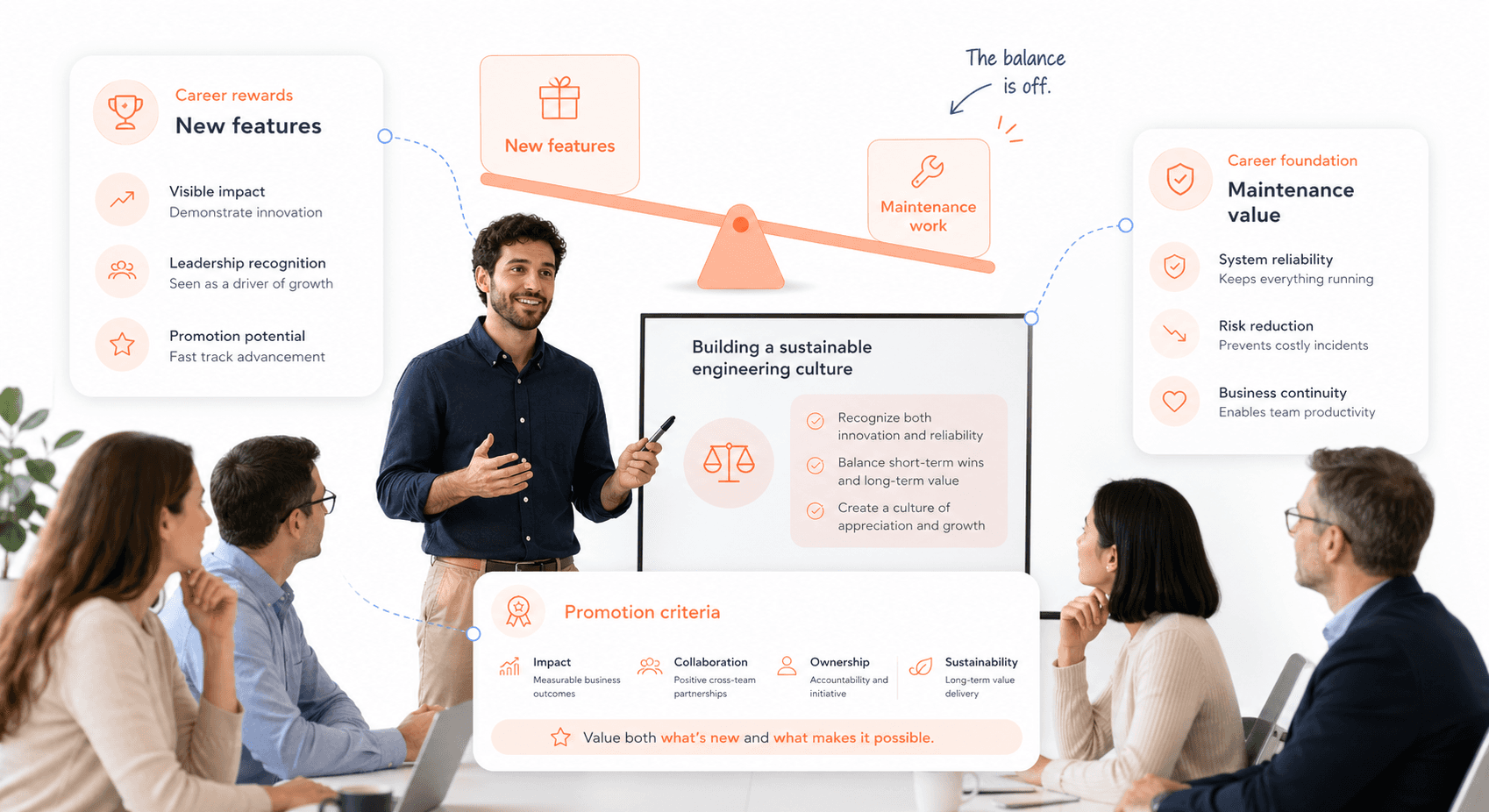
Your career advancement depends heavily on how visible your contributions are to management, and unfortunately, maintenance work rarely gets the spotlight it deserves. When promotion time comes around, your manager will remember the developer who launched the customer-facing dashboard or delivered the new payment system, not the one who quietly refactored legacy code or fixed performance bottlenecks that prevented future outages.
Self-promotion and career advancement within companies often favor visible contributions to new projects and feature development over less visible maintenance work. You'll find that your carefully documented bug fixes and code optimization efforts don't carry the same weight in performance reviews as shipping a brand new feature that executives can demo to stakeholders. This creates a perverse incentive where your smartest career move is to avoid maintenance tasks, even when they're critical for long-term software maintainability.
The promotion criteria in most organizations explicitly reward innovation and delivery of new functionality. Your technical debt reduction efforts, while valuable for code maintainability issues, don't translate into measurable business metrics that impress upper management. You're essentially penalized for doing the unglamorous but necessary work that keeps systems running smoothly.
Management Rewards Launches Rather Than Sustained System Health
Your leadership team operates under quarterly pressures and investor expectations that prioritize new feature announcements over the boring reality of software engineering best practices. When your CEO presents to the board, they showcase new products and capabilities, not the fact that your team prevented three potential security vulnerabilities or improved system response times by 200 milliseconds.
This disconnect means you're constantly fighting an uphill battle when advocating for maintenance-focused sprints. Your product managers will push back on stories that don't directly contribute to the roadmap, viewing maintenance work as overhead rather than investment. You'll watch as maintenance cost increase over time because leadership consistently deprioritizes the work needed to prevent software complexity management problems.
Measuring Productivity in Maintenance Work Proves More Difficult
Your performance metrics become complicated when you're working on maintenance tasks because the value isn't immediately quantifiable. While new feature development has clear success criteria – does the feature work as specified? – maintenance work requires more nuanced evaluation. How do you measure the bugs that didn't happen because you improved error handling? How do you quantify the future development velocity gains from your refactoring efforts?
Your development team productivity appears to slow down when focusing on maintenance because traditional velocity metrics don't account for technical debt reduction. You might spend two weeks eliminating a particularly problematic piece of legacy code, but your story points for that sprint look low compared to feature development sprints. This measurement challenge reinforces the bias against maintenance work throughout your organization.
Job Hopping Culture Avoids Long-Term Maintenance Responsibilities
Your career trajectory in today's software development lifecycle environment often involves changing companies every 2-3 years, which means you rarely face the long-term consequences of your architectural decisions. Recruiters typically find candidates more attractive when they can point to new systems they've built rather than old systems they've maintained. You're incentivized to move on before your technical debt accumulation becomes someone else's problem.
This job hopping culture creates a tragedy of the commons scenario where everyone optimizes for short-term delivery at the expense of long-term maintainability. You know that the shortcut you're taking today will create legacy code problems tomorrow, but since you'll likely be at a different company by then, the rational career choice is to prioritize speed over sustainability.
The Technical Debt Accumulation Problem
Legacy Systems Built on Unsupported Platforms with No Migration Paths
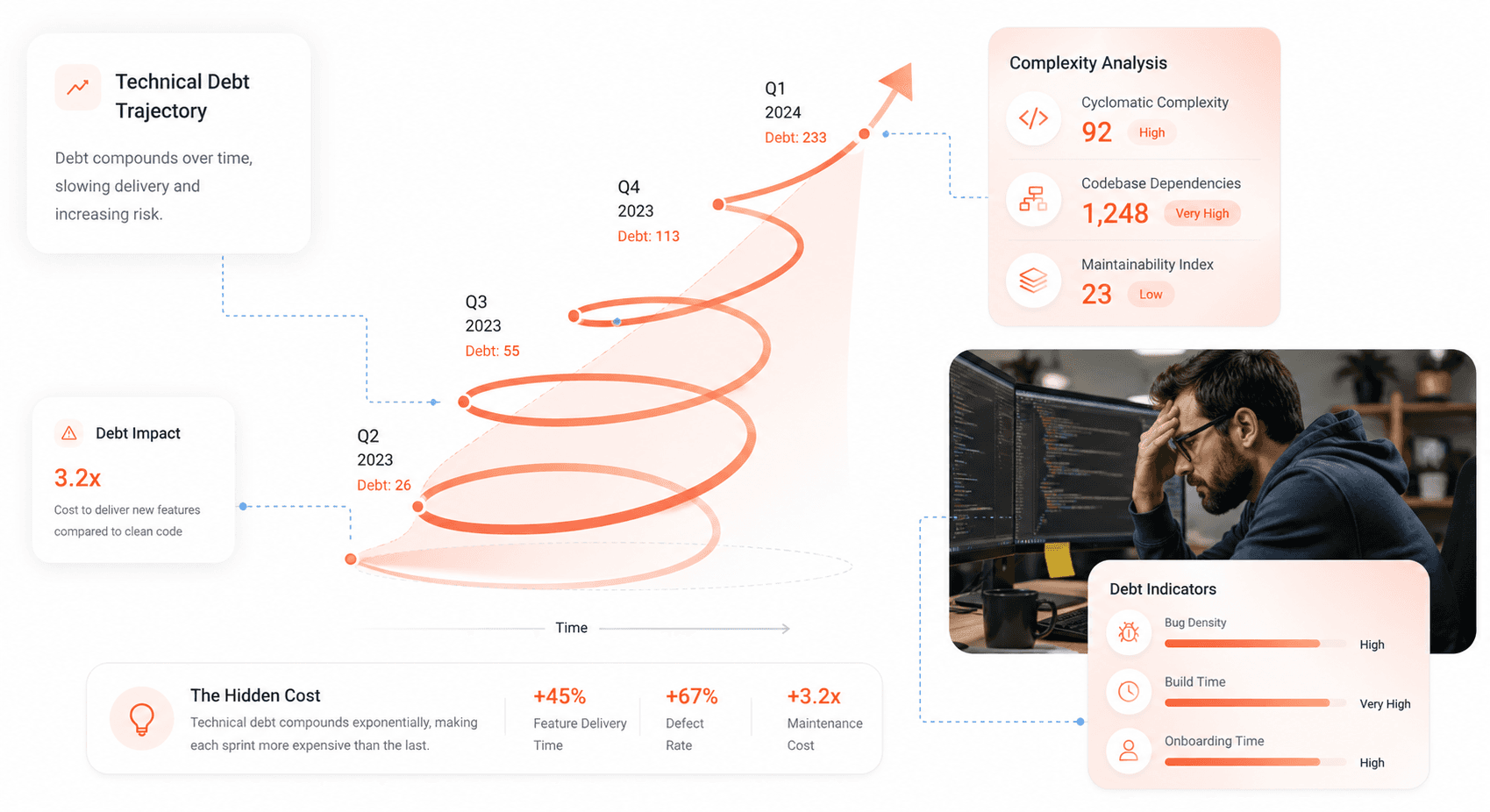
Your revenue-generating applications often become prisoners of their own success. These older, profitable systems typically run on outdated and unsupported platforms that seemed like solid choices years ago but now represent significant technical debt accumulation challenges. The platforms your team built upon may no longer receive security updates, vendor support, or compatibility patches, leaving you with increasingly fragile foundation systems.
The most troubling aspect of this predicament is that you're left with virtually no migration options apart from a complete rewrite. Your legacy code problems compound daily as:
Operating systems reach end-of-life status while your critical applications depend on them
Programming languages or frameworks lose community support and security patches
Database systems become incompatible with modern infrastructure requirements
Third-party services your applications rely on announce discontinuation
This creates a maintenance nightmare where your software maintenance challenges multiply exponentially. You can't simply upgrade components piecemeal because everything is interconnected in ways that made sense during initial development but now create rigid dependencies. Your development team finds themselves spending increasing amounts of time working around platform limitations rather than adding business value.
Security Vulnerabilities in Aging Software Removing Viable Options
Your aging software systems accumulate unpatched security vulnerabilities that systematically eliminate maintenance options over time. When security patches are no longer available for your underlying platforms, you face an impossible choice between functionality and security. These software complexity management issues force you into increasingly constrained positions where every decision carries significant risk.
Unpatched vulnerabilities in your legacy systems create cascading effects throughout your infrastructure. You may find that:
Compliance requirements prevent you from continuing to use vulnerable systems
Insurance policies exclude coverage for known, unpatched vulnerabilities
Customer contracts require specific security standards your aging software cannot meet
Integration with modern, secure systems becomes impossible
This security debt accumulation means that what were once viable maintenance approaches become completely off the table, leaving your team with fewer and more expensive options for keeping systems operational.
Different Coding Styles Creating Maintenance Nightmares
Your codebase reflects the evolution of your development team over years or decades, creating a patchwork of different coding styles, architectural patterns, and documentation standards. This inconsistency in code maintainability issues makes every maintenance task exponentially more difficult as developers must first decode the various approaches used throughout your system.
When your team encounters code written by previous developers who used different:
Naming conventions and variable structures
Comment styles and documentation approaches
Error handling and logging patterns
Code organization and file structure methodologies
These inconsistencies transform routine maintenance into archaeological expeditions where developers spend more time understanding existing code than implementing changes.
Dependencies Becoming Security and Maintenance Liabilities
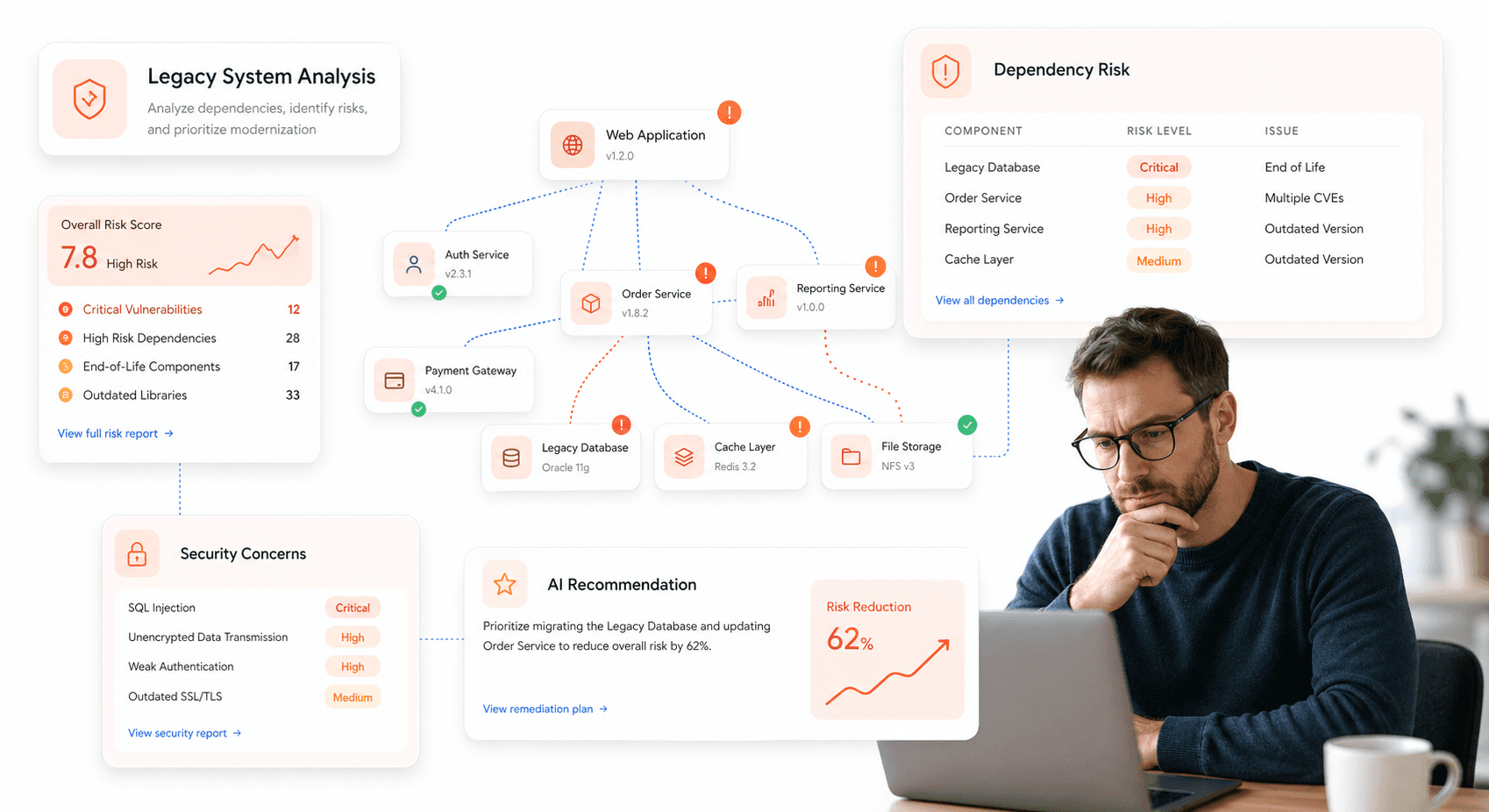
Your software dependencies, once helpful building blocks, gradually transform into ongoing liabilities that threaten your system's stability and security. These external libraries and frameworks introduce their own software development lifecycle complications that you must continuously monitor and manage, often with limited control over timing or compatibility.
Your dependency management challenges include tracking security vulnerabilities across dozens or hundreds of third-party components, each with their own update schedules and breaking changes that could destabilize your system.
How Modern Development Practices Impact Long-Term Maintainability
Code review standards affecting future maintenance burden
Your code review process directly determines how much technical debt accumulation you'll face down the road. When you implement rigorous code review standards, you're essentially investing in your software's long-term maintainability by catching issues that would otherwise become expensive maintenance challenges later.
The maintenance burden you create today stems from several critical areas that your code reviews must address:
Overly complicated code that future developers (including yourself) will struggle to understand
Unstated assumptions buried in the implementation that aren't documented or obvious
Lack of test coverage that makes refactoring risky and time-consuming
Poor integration patterns that create tight coupling between components
Your review standards need to scrutinize each of these areas systematically. When you allow complicated code to pass through reviews, you're essentially borrowing against future productivity. The reviewer who approves a convoluted algorithm without demanding simplification or documentation is creating software maintenance challenges that will compound over time.
Similarly, when your team doesn't catch unstated assumptions during reviews, you're building software complexity management problems into your codebase. These assumptions become landmines for future modifications, causing unexpected breaks when the underlying assumptions change.
The importance of understanding requirements before writing code
Now that we've covered how reviews impact maintenance, let's examine the foundation of maintainable code itself. Writing good code isn't primarily about your technical skills or knowing how to make functionality work - it's fundamentally about deeply understanding what your code is intended to accomplish in the first place.
Your software development lifecycle suffers when developers jump into implementation without clear requirements. This approach leads to code that technically functions but doesn't align with the actual business needs, creating legacy code problems almost immediately. When you don't understand the "why" behind your code, you inevitably write solutions that are harder to modify, extend, or debug.
Clear requirements serve as your north star for maintainability decisions. When you understand exactly what problem you're solving and why, you can make better architectural choices, write more focused tests, and create code that naturally evolves with changing needs. Without this understanding, even your best software engineering best practices become ineffective because they're applied to solve the wrong problem.
Building exits from platforms, APIs, and libraries
With this foundation in mind, next we'll examine how proactive engineering involves making smart tradeoffs that prevent you from getting locked into unmaintainable situations. Your development team productivity depends heavily on avoiding scenarios where you become completely dependent on external platforms, APIs, or libraries without any escape route.
When you integrate with external dependencies, you're essentially making a bet on their long-term stability and alignment with your needs. However, these external factors change independently of your requirements, and what works perfectly today might become a significant maintenance burden tomorrow.
Building exits means designing your integrations with abstraction layers that allow you to switch dependencies without rewriting your entire system. This doesn't mean over-engineering every integration, but rather making thoughtful decisions about where to create separation between your core logic and external dependencies.
Balancing feature velocity with engineering foundations
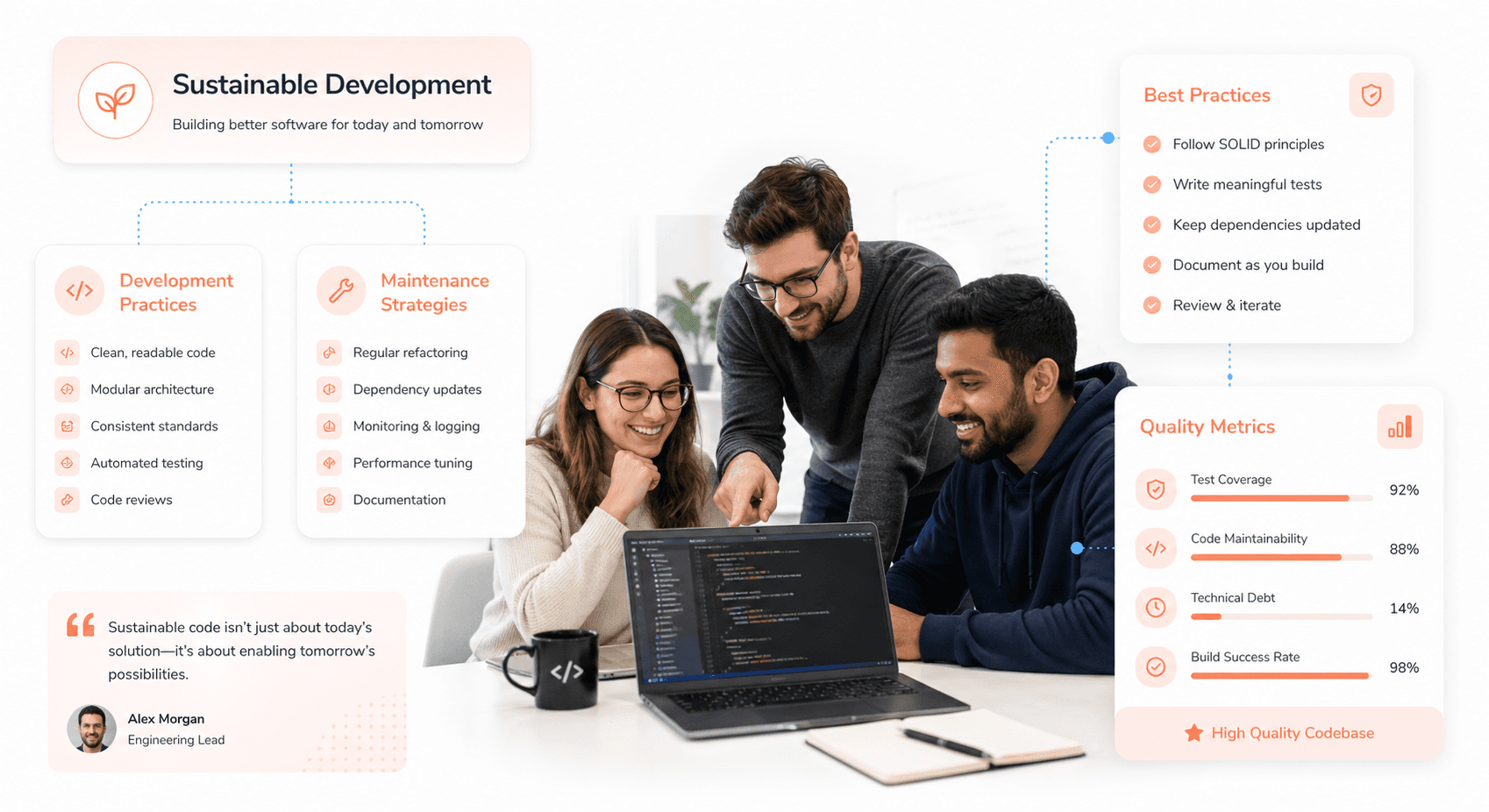
Your challenge lies in finding the sweet spot between delivering features quickly and maintaining code quality that prevents future maintenance cost increases. This balance directly impacts whether your software becomes easier or harder to maintain over time.
Feature velocity pressure often pushes teams to take shortcuts that seem insignificant in isolation but create cumulative code maintainability issues. When you consistently choose speed over foundation quality, you're trading short-term gains for long-term development team productivity losses.
The key is recognizing that strong engineering foundations actually enable sustained velocity. When you invest time in clear architecture, comprehensive testing, and clean interfaces, you create a codebase that supports rapid feature development rather than fighting against it. Conversely, when you skip these foundations for immediate speed, each subsequent feature becomes progressively more difficult and time-consuming to implement safely.
Conclusion
The evidence is clear: software maintenance is becoming increasingly challenging due to multiple converging forces. Higher engineer turnover means the original authors aren't around when bugs surface. The explosion of technologies and architectural patterns creates more complex systems to maintain. Most critically, the industry's incentive structures continue to reward new feature development over the unglamorous but essential work of keeping existing systems running smoothly.
You have a choice to make. You can continue chasing the latest frameworks and technologies, building features that represent only 25% of the total work required. Or you can invest in the practices that truly matter for long-term success: comprehensive testing, clear documentation, maintainable code architecture, and building deep expertise in the systems you're responsible for. The developers who master the art of maintenance not just creation will be the ones delivering real value as software systems grow more complex. Your future self, your team, and your users will thank you for prioritizing maintainability today.




About the author
I’m the founder of Hashbyt, an AI-first frontend and UI/UX SaaS partner helping 200+ SaaS companies scale faster through intelligent, growth-driven design. My work focuses on building modern frontend systems, design frameworks, and product modernization strategies that boost revenue, improve user adoption, and help SaaS founders turn their UI into a true growth engine.
Is a clunky UI holding back your growth?
Is a clunky UI holding back your growth?
▶︎
Transform slow, frustrating dashboards into intuitive interfaces that ensure effortless user adoption.
▶︎
Transform slow, frustrating dashboards into intuitive interfaces that ensure effortless user adoption.
