
How to Choose the Right Product Development Services Company for SaaS
Posted on
Guides
Frontend
Posted at
Jan 21, 2026
Jan 21, 2026
Min read
10

I hope you found this post valuable. If you’re looking for proven frontend and design expertise to elevate your product, feel free to reach out.


Summary
Building Security Tools SOC Analysts Can
Navigate Under Pressure?
Summary
Building Security Tools SOC Analysts Can Navigate Under Pressure?
Summary
Building Security Tools SOC Analysts Can
Navigate Under Pressure?
Building a SaaS product is one of the most important decisions your business will make in 2024. For startup founders and business owners looking to develop software-as-a-service platforms, choosing the wrong development partner can lead to wasted budgets, delayed launches, and products that fail to scale.
Finding the right product development services company for SaaS isn't just about coding skills—it's about partnering with a team that understands your business vision and can build solutions that grow with you. With 87% of businesses struggling to select the right development partner, making an informed choice has never been more critical.
This guide walks you through the essential factors that separate great SaaS development companies from the rest. We'll cover how to evaluate technical expertise and development methodologies, plus the key questions you should ask before signing any contract. By the end, you'll have a clear framework for selecting a partner who can turn your SaaS idea into a scalable, profitable reality.
Essential Criteria for Evaluating SaaS Development Companies
Experience and Track Record in SaaS Domain
When evaluating potential SaaS development partners, their domain-specific experience serves as the primary indicator of their capability to navigate the unique challenges of cloud-based software development. A company's track record in SaaS reveals their understanding of multi-tenancy architectures, subscription billing models, and the scalability requirements that differentiate SaaS products from traditional software applications.
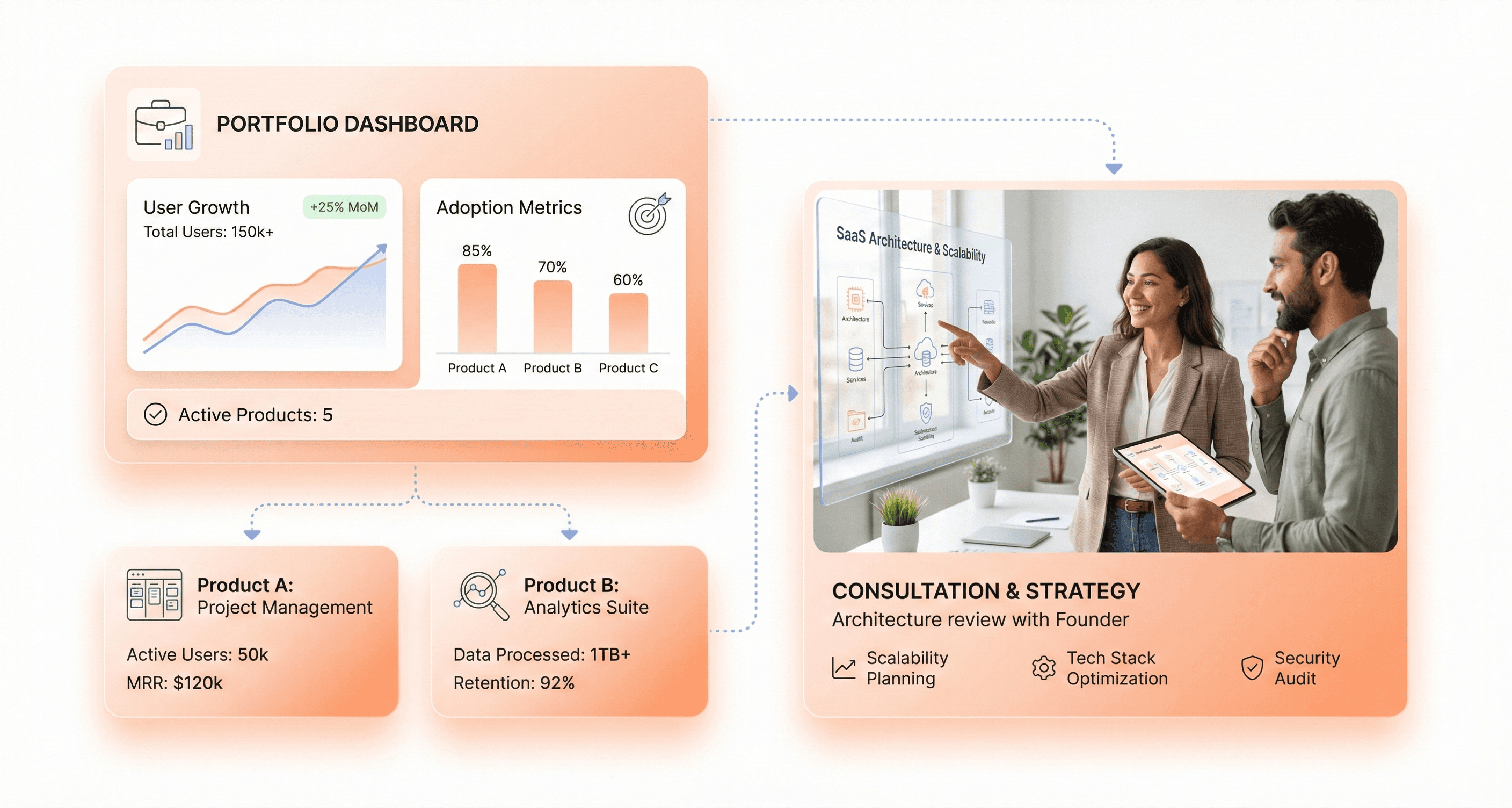
Look for development teams that can demonstrate experience with established SaaS companies and showcase their work with products that have achieved meaningful user adoption. Their portfolio should reflect knowledge of SaaS-specific patterns such as tenant isolation, data segregation strategies, and the ability to handle varying usage patterns across different customer segments. Companies with genuine SaaS expertise will naturally discuss concepts like customer onboarding flows, feature flagging for different subscription tiers, and the technical considerations involved in supporting freemium models.
Pay particular attention to how they describe their past projects. Strong SaaS development partners will explain their architectural decisions in terms of long-term scalability and maintainability, rather than simply listing technologies used. They should demonstrate understanding of how SaaS products evolve differently from traditional software, including the need for continuous deployment, feature rollbacks, and the ability to support multiple product versions simultaneously.
Technical Expertise in Cloud Platforms and Modern Technologies
The technical foundation of any SaaS product relies heavily on cloud platform expertise and modern development practices. Evaluate potential partners based on their demonstrated proficiency with major cloud providers and their ability to architect solutions that leverage cloud-native services effectively.
A competent SaaS development company should show deep familiarity with containerization, microservices architectures, and cloud-native databases. Their technical expertise should extend beyond basic cloud deployment to include understanding of auto-scaling mechanisms, load balancing strategies, and disaster recovery planning. Look for teams that can articulate how they approach data consistency across distributed systems and their strategies for handling peak usage periods.
Strong technical partners will demonstrate knowledge of modern DevOps practices, including infrastructure as code, automated testing pipelines, and monitoring solutions. They should be able to explain their approach to security in cloud environments, including data encryption, access management, and compliance requirements specific to SaaS applications. Their technical discussions should reveal understanding of cost optimization strategies and how architectural decisions impact ongoing operational expenses.
Development Process and Agile Methodologies
The development process employed by your potential partner directly impacts project predictability, quality, and your ability to adapt to changing requirements. Evaluate how thoroughly they implement agile methodologies and whether their process supports the iterative nature of SaaS product development.
Examine their approach to breaking down complex features into manageable iterations and how they handle changing requirements without destabilizing ongoing work. A mature development team will demonstrate clear sprint planning processes, regular stakeholder communication, and mechanisms for incorporating feedback without derailing project timelines. Their process should include regular code reviews, automated testing practices, and documented deployment procedures that minimize risk during releases.
Look for teams that treat refactoring as a continuous responsibility rather than a separate initiative. Their development approach should emphasize maintainability and code clarity, with naming conventions and documentation practices that make the codebase accessible to new team members. Strong development processes include clear definition of done criteria, quality gates that prevent technical debt accumulation, and transparent reporting mechanisms that keep all stakeholders informed of project status.
Business Vision Alignment and Communication Skills
Successful SaaS development partnerships require alignment between technical execution and business objectives. Evaluate potential partners based on their ability to understand your business context and translate requirements into technical solutions that support your long-term goals.
Strong development partners ask probing questions about your target market, business model, and growth projections before proposing technical approaches. They should demonstrate understanding of how technical decisions impact user experience, operational costs, and future scalability requirements. Look for teams that can explain technical tradeoffs in business terms and help you make informed decisions about feature prioritization and resource allocation.
Communication patterns reveal how effectively a team will collaborate throughout the development process. Evaluate their ability to provide clear, structured updates that make project status and next steps obvious. Strong communicators confirm assumptions rather than working around uncertainties, surface potential issues early enough for proactive resolution, and explain complex technical concepts without oversimplifying important details. Their communication approach should reduce project risk by ensuring all stakeholders maintain a shared understanding of objectives, constraints, and progress toward defined goals.
Technical Expertise Assessment for SaaS Development
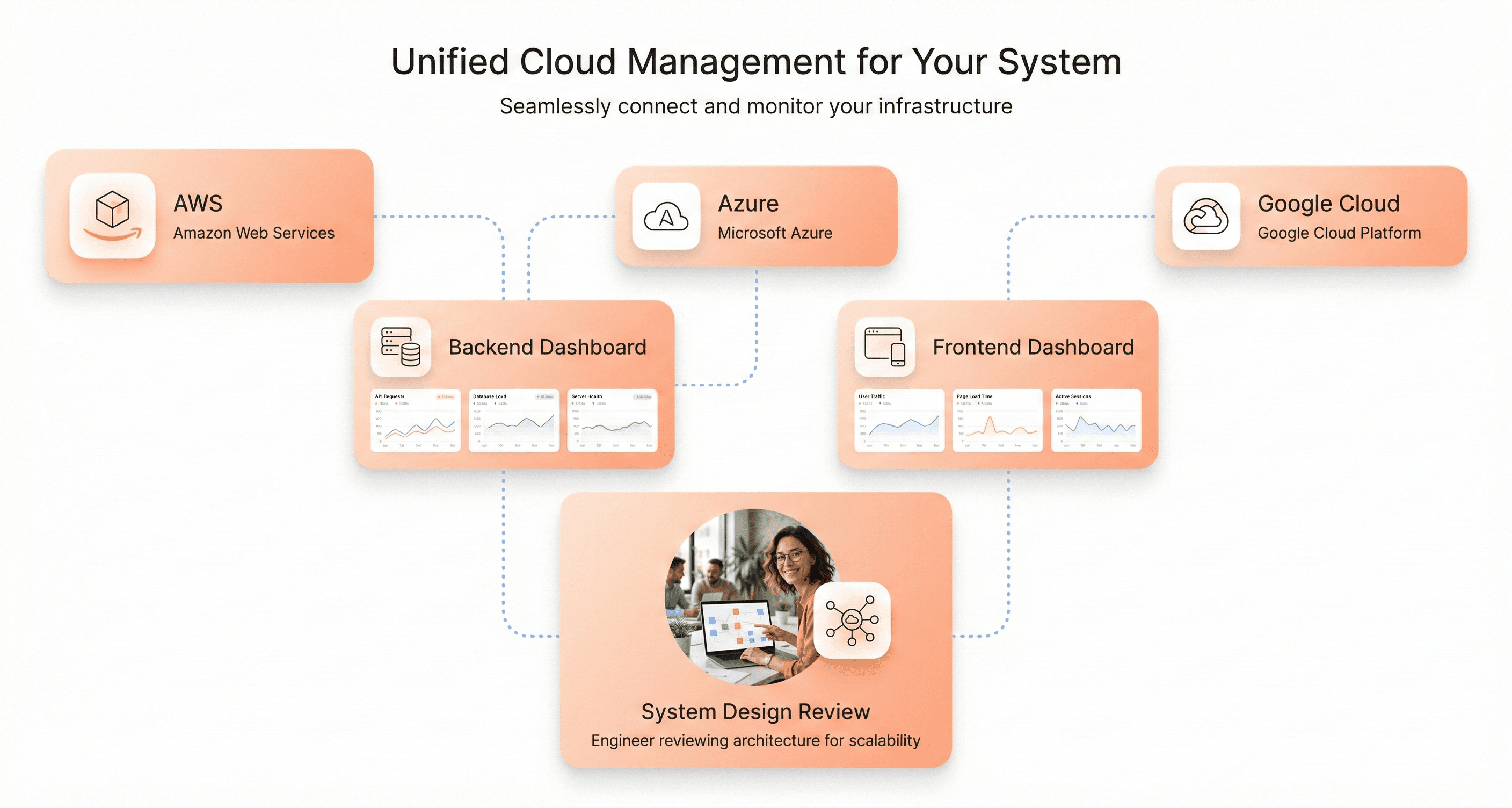
Cloud Platform Proficiency (AWS, Azure, Google Cloud)
When evaluating SaaS development companies, cloud platform expertise stands as a fundamental technical requirement. Leading SaaS companies operate across multiple cloud environments, requiring development partners who can navigate complex cloud architectures with confidence. A qualified development company should demonstrate hands-on experience with major cloud platforms including AWS, Azure, and Google Cloud Platform.
The ability to leverage cloud-native services, implement proper scaling strategies, and optimize for cost-effectiveness directly impacts your SaaS product's performance and profitability. Look for companies that can articulate their experience with serverless computing, containerization technologies, and cloud-specific database solutions. Their cloud proficiency should extend beyond basic deployment to include advanced concepts like multi-region architecture, disaster recovery planning, and cloud security best practices.
Frontend and Backend Technology Stack Capabilities
Now that we've covered cloud infrastructure requirements, the next critical area involves comprehensive technology stack assessment. Modern SaaS development demands expertise across both frontend and backend technologies, with the ability to create seamless user experiences while maintaining robust server-side functionality.
A competent development partner should demonstrate proficiency in contemporary frontend frameworks and libraries, coupled with strong backend development skills using modern programming languages and frameworks. Their technical capabilities should encompass database design and optimization, caching strategies, and performance monitoring tools. The company's ability to work with microservices architecture, implement proper data modeling, and handle complex business logic processing directly correlates with your SaaS platform's scalability and maintainability.
API Integration and Mobile Development Skills
With this foundation established, API integration capabilities become paramount for SaaS success. Your development partner must excel at creating RESTful APIs, implementing GraphQL where appropriate, and ensuring seamless third-party service integrations. This expertise extends to understanding API versioning, rate limiting, and comprehensive documentation practices.
Mobile development skills complement API expertise, as modern SaaS products increasingly require mobile accessibility. The development company should demonstrate experience with converting product design, progressive web applications, or native mobile development depending on your specific requirements. Their mobile capabilities should include offline functionality, push notifications, and cross-platform compatibility considerations.
Code Quality Standards and Security Protocols
Previously established technical capabilities must be supported by rigorous code quality standards and comprehensive security protocols. Professional SaaS development companies implement automated testing frameworks, continuous integration pipelines, and code review processes that ensure reliability and maintainability.
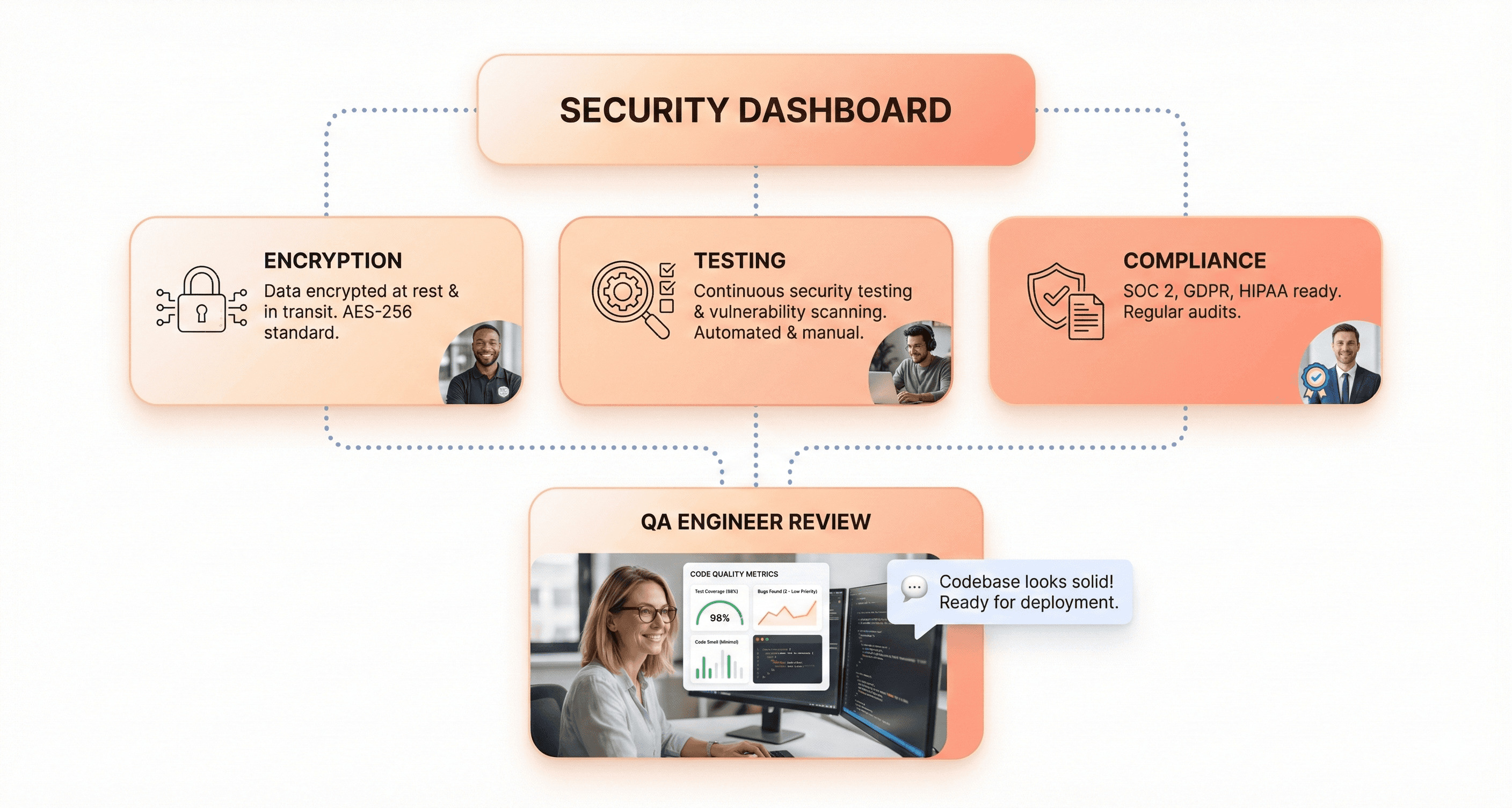
Security expertise becomes non-negotiable given the sensitive nature of SaaS applications. Look for companies that implement proper authentication and authorization mechanisms, data encryption at rest and in transit, and compliance with relevant security standards. Their security approach should include regular vulnerability assessments, secure coding practices, and incident response procedures. The development partner should also demonstrate knowledge of privacy regulations and data protection requirements specific to your industry and target markets.
Development Process and Methodology Evaluation
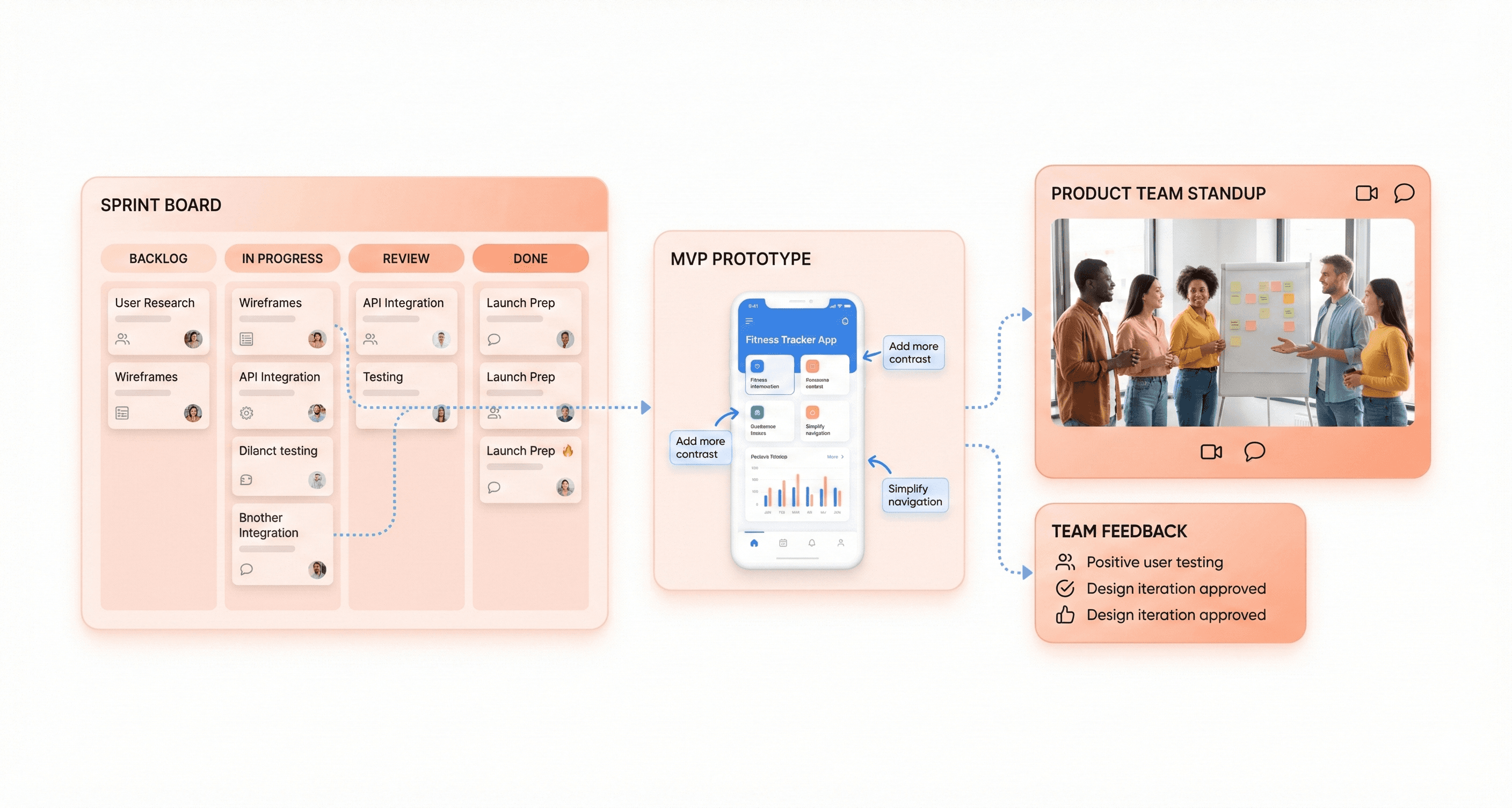
Agile Development Practices and MVP Approach
Agile methodologies provide the foundation for successful SaaS development by enabling rapid iteration and continuous value delivery. When evaluating a potential development partner, it's essential to understand their approach to Agile implementation and MVP development.
The most effective SaaS development companies utilize frameworks like Scrum, which divides work into time-bound sprints typically lasting two to four weeks. This structured approach allows teams to release new updates or features regularly, ensuring customers always have access to the latest improvements. Companies should demonstrate clear understanding of defined roles including Scrum Master, Product Owner, and developers, with everyone knowing their responsibilities and goals.
A strong development partner will also show expertise in alternative frameworks like Kanban for ongoing tasks, Lean development for maximum value with minimal waste, and Extreme Programming (XP) for enhanced code quality through continuous testing and integration. The ability to customize or combine these frameworks based on specific project needs indicates sophisticated methodology understanding.
The MVP approach is particularly crucial for SaaS development, where getting core functionality to market quickly enables early user feedback and validation. Look for companies that can break down complex products into essential features for initial release, then build upon that foundation through iterative development cycles.
Iterative Feedback Loops and Sprint Reviews
Successful SaaS development relies heavily on continuous feedback integration throughout the development process. When evaluating potential partners, assess their commitment to regular sprint reviews and retrospectives, which are essential for maintaining project momentum and ensuring alignment with business objectives.
Effective development teams conduct sprint reviews at the end of each iteration to showcase completed work to stakeholders and gather immediate feedback. This practice ensures that development stays aligned with user needs and business goals rather than proceeding based on assumptions. The feedback gathered during these sessions should directly influence the product backlog prioritization for subsequent sprints.
Equally important are retrospective meetings where teams reflect on their performance, identifying what worked well and areas for improvement. This continuous improvement mindset is crucial for SaaS development, where adaptability and responsiveness to change are competitive advantages.
Daily stand-up meetings, typically lasting 15 minutes, keep teams synchronized and provide opportunities to address blockers quickly. These regular touchpoints promote transparency and ensure that any obstacles are identified and resolved promptly, maintaining project velocity.
Look for development partners who demonstrate a systematic approach to incorporating user feedback into their development cycles. This includes not just collecting feedback but having clear processes for analyzing, prioritizing, and implementing changes based on actual user needs and market demands.
Project Management Tools and Transparency
Transparency in project management is fundamental when working with a SaaS development partner. The right tools and processes enable clear visibility into project progress, resource allocation, and potential challenges before they become critical issues.
Effective development teams utilize visual project management tools like Kanban boards that categorize tasks into columns such as "To Do," "In Progress," and "Done." This provides stakeholders with real-time visibility into workflow status and helps identify bottlenecks quickly. For SaaS projects with ongoing maintenance and support needs, this continuous flow model allows teams to address issues as they arise and adjust priorities in real-time.
The product backlog serves as a prioritized list of features, bug fixes, and improvements that guides the entire development process. Strong development partners work closely with stakeholders to populate and maintain this backlog, ranking items based on business value, user impact, and technical complexity. This collaborative approach ensures that development resources focus on the most valuable deliverables during each iteration.
Regular and transparent reporting should be a standard practice, with complete visibility into successes, challenges, and occasional missteps within projects. This level of transparency builds trust and enables informed decision-making throughout the development process.
Long-term Support and Maintenance Capabilities
Beyond initial development, SaaS products require ongoing support, maintenance, and evolution to remain competitive and meet changing user needs. When selecting a development partner, it's crucial to evaluate their long-term support capabilities and commitment to continuous improvement.
Successful SaaS development partners implement continuous integration and automated testing to ensure that new code integrates seamlessly with existing products. This is particularly important for SaaS applications where frequent updates and new feature releases are expected. Automated testing helps catch issues early and maintains high-quality standards even with rapid development cycles.
The partner should demonstrate capability for managing ongoing tasks such as bug fixes, security updates, and performance optimizations. Their approach to handling these continuous maintenance needs should align with your business requirements for uptime, response times, and service level agreements.
Look for development teams that can support multiple concurrent projects and phases. The most effective partners leverage their early successes by requesting and launching additional projects even before initial phases are fully live. This capability indicates strong project management skills and the ability to scale operations as your SaaS product grows.
The development partner should also show expertise in managing technical debt through rigorous definition of "done" criteria and disciplined execution. This ensures that at the end of each sprint, phase, or project, there is minimal technical debt that could delay future development or impact system performance.
Strategic Partnership vs One-Time Project Considerations
Benefits of Long-term Development Partnerships
Long-term partnerships with SaaS development companies create structured collaborations designed to generate win-win situations and drive sustained growth. These partnerships function like strategic alliances where companies combine strengths and resources for greater impact over time. When you align yourself with established development partners, it significantly boosts your credibility and builds trust with potential customers, improving your overall market reputation.
The collaborative nature of long-term partnerships sparks joint innovation, making your SaaS products and services shine even brighter. Through collaborative product development, you can discover exciting solutions that align perfectly with your customers' ever-changing needs. This approach opens doors to mutual benefits and helps you tap into new markets you might not have considered before.
Effective partnership management ensures that communication flows smoothly among all stakeholders, which is crucial for hitting partnership goals. When everyone stays on the same page, development processes run much smoother, and potential conflicts can be transformed into opportunities for innovation.
Scalability Planning and Future Growth Support
Strategic partnerships provide essential flexibility as your SaaS product grows and development needs shift. Unlike one-time projects, partnerships offer the ability to increase or reduce development effort without restructuring existing teams. This scalability supports growth periods, feature-heavy roadmaps, and quieter development phases without requiring long-term staffing commitments.
Development partners with SaaS experience understand how to design for long-term maintainability from the start, helping avoid architectural decisions that create friction as your product scales. This familiarity with SaaS-specific technical patterns ensures that your platform can handle recurring billing systems, user management, and other complex requirements that emerge during growth phases.
The dedicated team model works particularly well for growing SaaS businesses, providing strong product knowledge and consistent output over time. While this approach requires higher ongoing investment than short-term models, it delivers superior scalability planning and continuous development support that adapts to your evolving business needs.
Ongoing Maintenance and Security Updates
SaaS products require continuous development and support after launch, making ongoing maintenance a critical consideration when choosing between partnership and project-based approaches. Long-term development partnerships excel in providing consistent maintenance support, including regular updates, security patches, and performance optimizations.
External teams often assist with ongoing maintenance once a SaaS product goes live, handling production environment updates while internal resources focus on new feature development. This separation of responsibilities reduces context switching and helps in-house teams make more consistent strategic decisions as the product matures.
Quality assurance work frequently becomes part of ongoing maintenance partnerships, with external QA teams using automated and manual testing to support repeatable processes. This continuous testing approach helps deliver high-quality releases by identifying security vulnerabilities and performance issues before they reach users, ensuring your SaaS platform maintains reliability and security standards over time.
Cost-Effectiveness of Subscription vs One-time Models
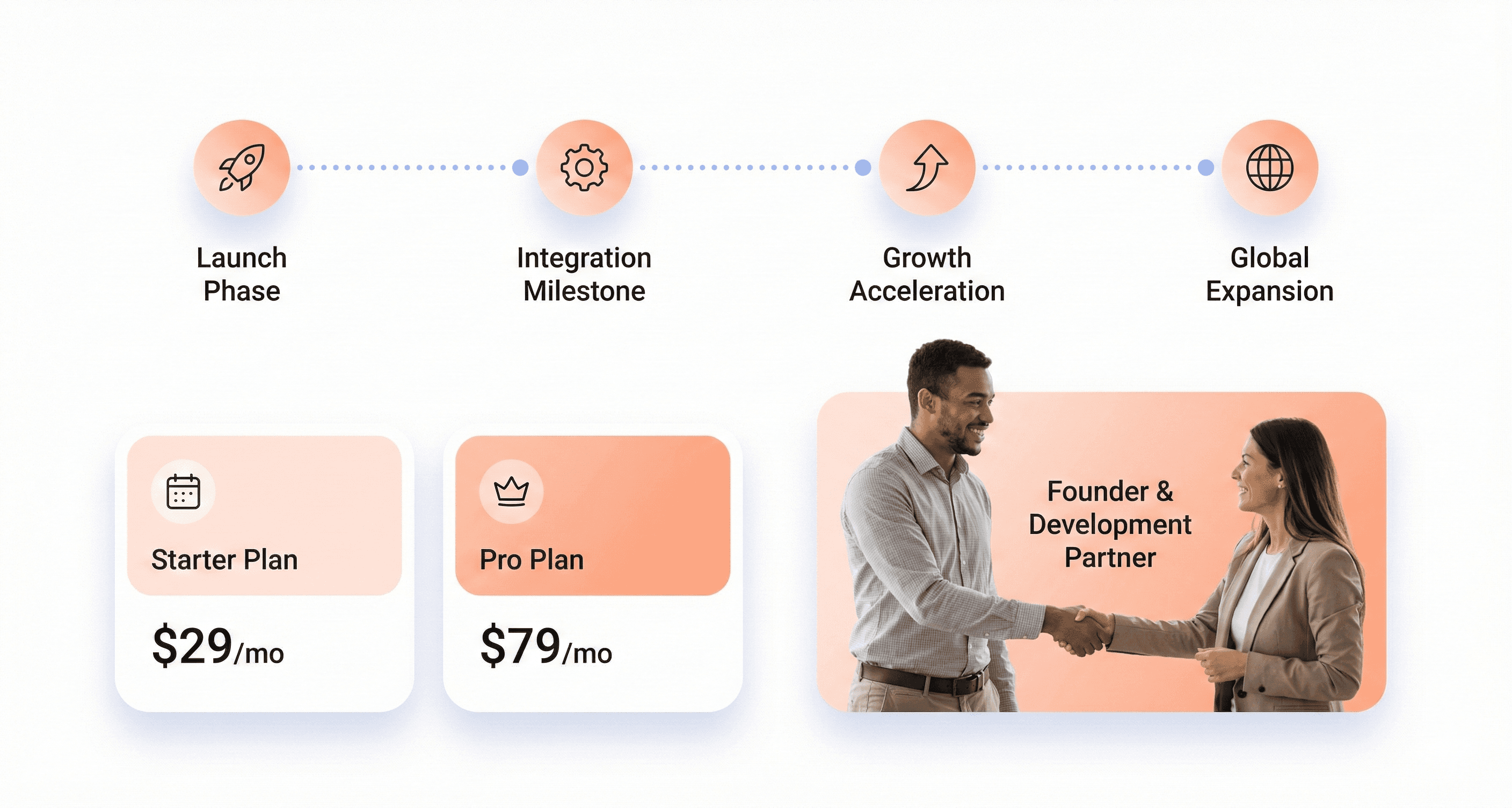
The financial structure of development partnerships versus one-time projects creates significantly different cost profiles for SaaS companies. Partnership models tie development spend to active work, supporting better cost efficiency as needs change throughout the product lifecycle. This approach makes budgeting easier during early growth phases and between major product development cycles.
Instead of carrying fixed payroll and overhead costs year-round, subscription-based development partnerships limit the hidden costs that often come with expanding internal teams, such as recruiting, onboarding, and benefits. The predictable cost structure of ongoing partnerships also supports better financial planning and reduces the risk of budget overruns common in fixed-scope projects.
However, partnership models require higher ongoing investment compared to short-term project approaches. The key to maximizing return on investment lies in ensuring the partnership is a good strategic fit, with shared vision and similar goals. When properly aligned, customized partnership plans positively impact revenue growth over time, though this requires patience and careful management to achieve optimal results.
The flexibility of partnership models allows you to adjust development capacity based on business needs without the constraints of one-time project scopes, making them particularly valuable for SaaS businesses with evolving requirements and continuous development needs.
Critical Questions to Ask Potential SaaS Development Partners
SaaS Development Process and Timeline Inquiries
When evaluating potential SaaS development partners, understanding their development process and realistic timelines is crucial for project success. Ask your prospective partner, "What's the ramp time?" as this question reveals how long it takes to reach maturity with their solution. Demos and case studies may showcase possibilities, but they don't indicate the actual time required for implementation and growth.
Request an estimated timeline that's tailored to your current position, as this isn't a "one size fits all" scenario. Your existing tools and processes will significantly affect implementation duration. Additionally, inquire about their consumption model flexibility and ask, "Are you able to extend or augment the features and capability, and what are your best practices for enhancing the capability?" Even without immediate enhancement needs, you may eventually find constraints that require capability augmentation.
Understanding migration timelines is equally important. Ask "What migration options do you offer?" to comprehend the process between contracting and operating the service practically. This involves understanding how usernames and passwords are entered, how existing data migrates, and how to test migration accuracy. If a provider lacks a migration process, reconsider your choice, especially when dealing with substantial data volumes.
Industry Experience and Case Study Discussions
Industry-specific experience significantly impacts development quality and project outcomes. Always request detailed customer references by asking, "Can you provide a detailed customer reference?" Press vendors with follow-up questions: "Can I talk to them? Who will it be? When can I speak with them?" The vendor's eagerness to provide positive responses and the currency of references will reveal their credibility.
Inquire about their experience with regulated industries, as more customers from these sectors increase the likelihood that vendors follow professional security practices. Ask which company functions they automate and how their expertise addresses your current business issues while scaling solutions as you grow. Request specific examples of how they've contributed to clients' success in new, previously unconsidered ways.
Examine their track record for scalability, delivered enhancements, and development investment. Delve into their product roadmap to understand future capabilities. Additionally, ask, "What is the No. 1 reason people do not choose your solution?" This question reveals their honesty level, market understanding, and competitive awareness while potentially highlighting considerations you hadn't previously thought about.
Scalability and Security Approach Evaluation
Scalability planning is fundamental for SaaS success. Ask, "How will your solution scale to handle our growing data volumes?" Data volumes aren't predictably scalable, so preparation is essential. Reliable providers should have mechanisms to evaluate business needs and tailor solutions that easily adapt as requirements evolve.
Security evaluation requires multiple layers of inquiry. Ask, "How do you ensure data privacy and compliance?" to understand their approach to security, data handling, breach response, and privacy policies. Since working with SaaS vendors means trusting them with your company's reputation and legal obligations, due diligence on data privacy is non-negotiable.
Inquire, "Have your data segregation controls been evaluated by outside experts?" Understanding data segregation control layers in multi-tenant environments is vital, as these controls often escape auditor scrutiny. Additionally, ask about security certifications they hold, expecting detailed, professional, and mature responses about ISO or SOC 2 compliance.
Address supply chain security by asking, "How secure is your supply chain?" Unless dealing with hyperscale vendors, they likely rely on external data centers and potentially external developers or IT staff, all of whom could compromise solution confidentiality, integrity, and availability.
Post-launch Support and Collaboration Methods
Post-implementation support quality directly impacts long-term success. Ask, "What level of support do you provide?" Many SaaS solutions add tremendous workflow value but can be complex, requiring dedicated resources for full potential utilization. Before signing contracts, understand what vendors provide as support during onboarding and for ongoing questions.
Inquire about their uptime Service Level Agreement and how they handle disruptions. Look for specific promises, communication channels, catastrophe recovery plans, and redundancy measures. Understanding incident management, data security, and customer assistance processes during outages is critical for choosing trustworthy, robust partners.
Ask, "How do you map your customer success teams to our long-term use of the product?" The best vendors track through entire user journeys, enabling customers to point to incredible ROI and become fierce advocates. Avoid vendors focusing solely on "quick start" programs or attempting premature cross-selling before initial solutions are operational.
Plan for potential relationship changes by asking, "What if your service doesn't work out for us?" Understand data extraction processes and migration ease to different solutions. This rarely discussed but crucial question helps assess vendor flexibility and your future options should needs change.
Technology Stack Selection and Future-Proofing
Comparing Popular SaaS Technology Stacks
When evaluating different technology combinations for SaaS development, several proven stacks emerge as industry favorites. The React-Node.js-PostgreSQL combination remains the most recommended stack for most SaaS products, offering rapid development capabilities with a massive ecosystem. This stack provides excellent concurrent request handling, crucial for multi-tenant applications, while sharing JavaScript code between frontend and backend components.
For teams prioritizing ease of learning and smaller project scopes, the Vue.js-Python-MySQL combination offers an excellent alternative. Python frameworks like Django include built-in admin panels and authentication systems, significantly accelerating initial development phases. However, performance considerations may arise as user bases scale beyond 10,000 active users.
The Angular-Java-PostgreSQL stack represents the enterprise-grade option, particularly suitable for large development teams with existing Java expertise. While this combination offers robust scalability and enterprise features, it comes with a steeper learning curve and longer development timelines.
Stack Combination | Best For | Pros | Cons |
|---|---|---|---|
React + Node.js + PostgreSQL | Most SaaS projects | Large ecosystem, rapid development | Learning curve for beginners |
Vue.js + Python + PostgreSQL | Smaller teams, data-heavy apps | Easy to learn, built-in features | Performance limitations at scale |
Angular + Java + PostgreSQL | Enterprise applications | Enterprise-grade, highly scalable | Complex setup, steep learning curve |
Future-Proof Technology Recommendations
Technology selection must account for long-term sustainability and evolution potential. PostgreSQL consistently emerges as the most future-proof database choice for SaaS applications, offering superior handling of complex queries essential for analytics and reporting features. Its robust JSON support provides flexibility for evolving user preference structures and configuration data.
TypeScript adoption represents another critical future-proofing decision. Adding TypeScript to React applications provides enhanced code maintainability and reduced runtime errors, particularly valuable as development teams grow. The reference content emphasizes implementing TypeScript during the growth phase (months 4-6) rather than from initial MVP development.
Cloud-native hosting solutions like Vercel for frontend deployment and managed database services ensure scalability without infrastructure management overhead. These platforms automatically handle performance optimizations, security updates, and scaling decisions, allowing development teams to focus on product features rather than infrastructure maintenance.
The migration strategy from simple to complex architectures proves essential for long-term success. Starting with proven technologies for MVP development, then strategically refactoring components as user bases grow, prevents over-engineering while maintaining scalability options.
Microservices Architecture and AI Integration
Microservices architecture becomes relevant for larger development teams (10+ developers) and applications requiring maximum scalability. The transition typically occurs during the scale phase (months 7-12), allowing individual services to be developed, deployed, and maintained independently.
This architectural approach enables different programming languages within the same application ecosystem. For example, using Node.js for user management services while implementing Go-based services for performance-critical payment processing operations. Each microservice can utilize the most appropriate technology stack for its specific requirements.
AI integration capabilities increasingly influence technology stack decisions. Frameworks with robust machine learning library support, particularly Python-based backends using FastAPI, provide seamless integration pathways for AI-powered features. The reference content highlights how modern SaaS applications benefit from AI capabilities in areas like automated user behavior analysis and intelligent feature recommendations.
Container orchestration using Docker and Kubernetes facilitates microservices deployment and management. This approach ensures consistent environments across development, staging, and production while enabling automatic scaling based on demand patterns.
Serverless Computing and Cost Optimization
Serverless architectures offer significant cost optimization opportunities, particularly for SaaS applications with variable traffic patterns. Platforms like Vercel for frontend hosting and Railway for backend services provide automatic scaling without fixed infrastructure costs.
The reference content emphasizes cost-effective hosting strategies based on team size and budget constraints. Limited budget scenarios benefit from serverless solutions that charge only for actual usage, while enterprise budgets can leverage managed services on AWS or Google Cloud for enhanced control and features.
Database cost optimization through strategic choices proves crucial for long-term sustainability. PostgreSQL with read replicas offers superior cost-performance ratios compared to proprietary database solutions, while Redis implementation for caching reduces primary database load and response times.
Monitoring and performance optimization tools like Sentry for error tracking and DataDog for performance monitoring provide essential insights for cost-effective scaling decisions. These tools help identify bottlenecks before they require expensive infrastructure upgrades, enabling proactive optimization strategies.
The staged migration approach—starting with simple hosting solutions and gradually moving to more sophisticated infrastructure—allows cost optimization while maintaining performance standards. This strategy prevents premature infrastructure investments while ensuring scalability options remain available as user bases grow.
Business Benefits and ROI of Professional SaaS Development
Scalability Advantages for Growing Businesses
Professional SaaS development provides exceptional scalability advantages that traditional on-premise solutions simply cannot match. True SaaS cloud solutions built on platforms like Amazon Web Services and Microsoft Azure can scale up or down based on demand, unlike hosted solutions whose capabilities are limited to the specific computer or virtual machine running the software.
This scalability means businesses can handle trillions of transactions without worrying about infrastructure limitations. Small and medium businesses can rest easy knowing they can transact as much as needed, as cloud solutions are hosted on platforms built to handle massive volumes. When usage demands increase, true cloud solutions automatically adjust resources, ensuring consistent performance during peak periods.
The ability to respond quickly to market changes becomes a significant competitive advantage. Companies can expand their operations rapidly without the typical infrastructure bottlenecks that plague traditional systems. This business agility allows organizations to innovate and stay ahead of competitors, as they have access to the latest technologies and tools that enable quick adaptation to changing business needs.
Cost-Effectiveness and Subscription Model Benefits
Now that we've covered scalability, let's examine the substantial cost advantages of professional SaaS development. Studies consistently show that businesses can save up to 30% on IT costs by moving to cloud-based solutions. These savings encompass multiple areas including hardware, maintenance, and energy costs.
The subscription model eliminates the need for significant upfront capital expenditure on hardware and software licenses. Instead of large initial investments, businesses benefit from predictable monthly or annual subscription fees that improve cash flow management. Many cloud providers offer pay-as-you-go pricing models, allowing companies to pay only for the resources they actually use.
Operational cost reductions are equally impressive. The elimination of power, cooling, and maintenance expenses for physical servers creates immediate savings. Additionally, businesses can reduce their need for in-house IT staff dedicated to managing and maintaining infrastructure, leading to significant savings in salaries and training costs. While IT personnel aren't eliminated entirely, they can focus on more valuable business activities rather than routine maintenance tasks.
Personnel cost optimization extends beyond IT staff. The reduced complexity of cloud solutions means less specialized knowledge is required for day-to-day operations, allowing existing team members to manage systems more efficiently.
Security and Compliance Assurance
With cost benefits established, security represents another critical advantage of professional SaaS development. Cloud solutions provide enhanced security features and regular updates that surpass what most organizations can implement independently. Professional SaaS providers invest heavily in security infrastructure, offering robust measures that include advanced encryption, multi-factor authentication, and continuous monitoring.
Compliance with industry regulations becomes significantly easier with professional SaaS solutions. These platforms are designed to meet various regulatory requirements, reducing the burden on individual businesses to ensure compliance. Regular security updates and patches are automatically applied, eliminating the risk of running outdated, vulnerable software versions.
Data protection and disaster recovery capabilities are substantially improved with cloud-based solutions. Professional SaaS platforms include comprehensive backup systems and disaster recovery options that safeguard business data more effectively than traditional on-premise solutions. This enhanced protection provides peace of mind and ensures business continuity even during unexpected events.
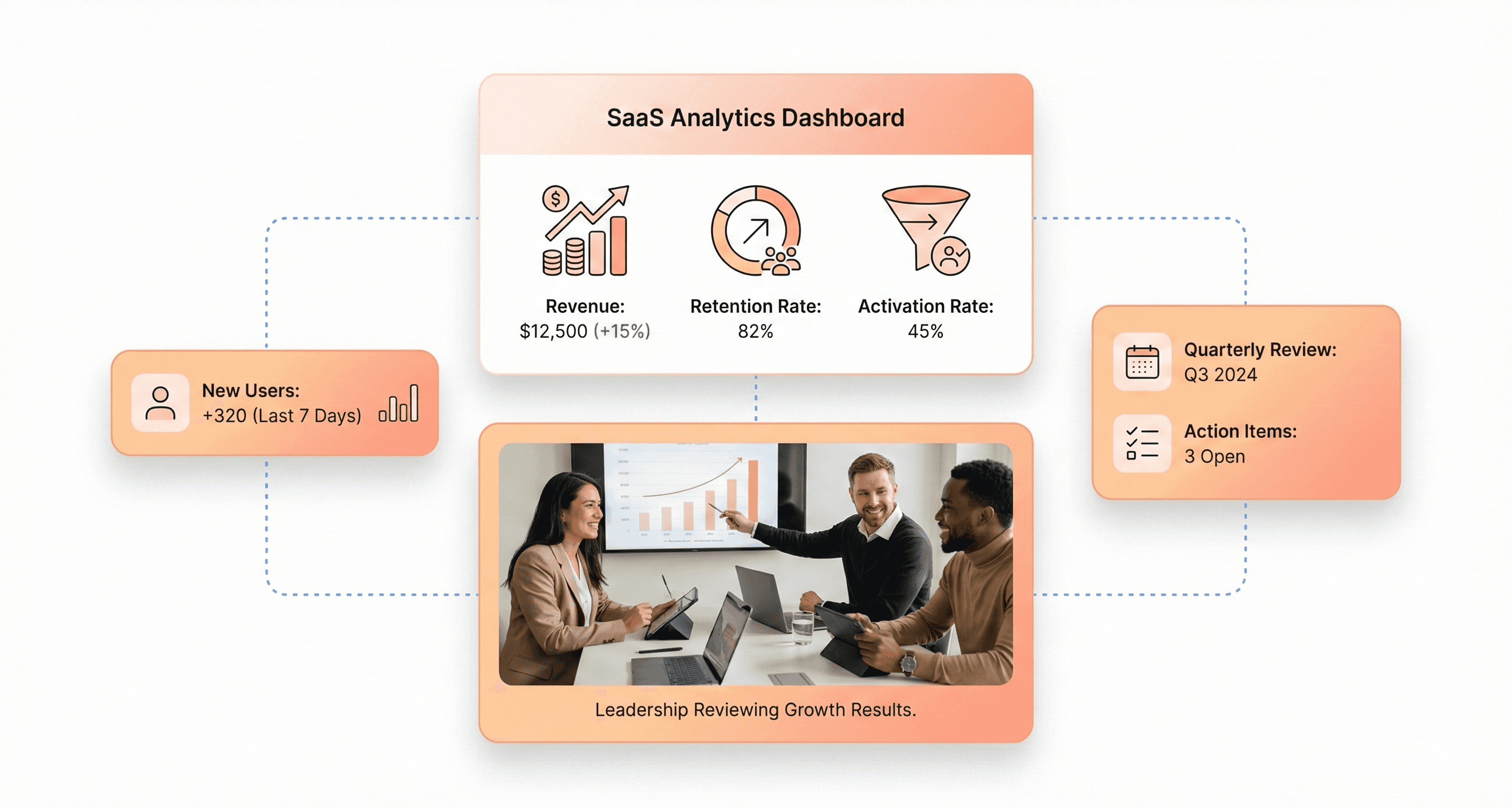
Real-time Updates and Cloud-Based Efficiency
Previously, I've discussed the foundational benefits of SaaS development, but the operational efficiency gains deserve special attention. Cloud-based solutions provide automatic software updates that ensure employees always use the latest versions, reducing downtime and improving overall efficiency.
Real-time accessibility transforms how businesses operate. Employees can access cloud applications from any location with internet access, facilitating remote work and improving productivity. These solutions operate in web browsers on any device, providing unprecedented flexibility for modern workforces.
Collaboration capabilities are dramatically enhanced through cloud-based efficiency. Teams can work together seamlessly regardless of geographical location, with communication tools built directly into the system. For example, users can communicate about transactions within the system itself rather than relying on email where important messages might be overlooked. Documents, comments, and other communications become integrated parts of the system.
Automated processes create substantial time savings, with businesses reporting up to 40% reduction in time spent on manual processes. Features like automatic bank feeds, expense management, AI-powered reconciliation, and automated reporting eliminate repetitive tasks and allow teams to focus on strategic activities that drive revenue growth.
Conclusion
Choosing the right SaaS development company is a strategic decision that will define your product's success trajectory in 2026 and beyond. The key lies in finding a partner who combines deep technical expertise with a genuine understanding of your business vision. Focus on companies with proven SaaS domain experience, robust development processes, and the ability to scale alongside your growth. Evaluate their technical capabilities across cloud platforms, modern tech stacks, and security protocols while ensuring they offer transparent communication and long-term support.
Remember that developing a SaaS product is not just about building software—it's about creating a scalable, secure foundation for your business's digital transformation. The right development partner will guide you through technology stack selection, help you build a future-proof architecture, and provide ongoing support as your product evolves. Take time to ask the critical questions about their development process, security practices, and post-launch maintenance capabilities. By prioritizing experience, technical excellence, and strategic alignment, you'll position your SaaS product for sustained success in an increasingly competitive market.
Building a SaaS product is one of the most important decisions your business will make in 2024. For startup founders and business owners looking to develop software-as-a-service platforms, choosing the wrong development partner can lead to wasted budgets, delayed launches, and products that fail to scale.
Finding the right product development services company for SaaS isn't just about coding skills—it's about partnering with a team that understands your business vision and can build solutions that grow with you. With 87% of businesses struggling to select the right development partner, making an informed choice has never been more critical.
This guide walks you through the essential factors that separate great SaaS development companies from the rest. We'll cover how to evaluate technical expertise and development methodologies, plus the key questions you should ask before signing any contract. By the end, you'll have a clear framework for selecting a partner who can turn your SaaS idea into a scalable, profitable reality.
Essential Criteria for Evaluating SaaS Development Companies
Experience and Track Record in SaaS Domain
When evaluating potential SaaS development partners, their domain-specific experience serves as the primary indicator of their capability to navigate the unique challenges of cloud-based software development. A company's track record in SaaS reveals their understanding of multi-tenancy architectures, subscription billing models, and the scalability requirements that differentiate SaaS products from traditional software applications.

Look for development teams that can demonstrate experience with established SaaS companies and showcase their work with products that have achieved meaningful user adoption. Their portfolio should reflect knowledge of SaaS-specific patterns such as tenant isolation, data segregation strategies, and the ability to handle varying usage patterns across different customer segments. Companies with genuine SaaS expertise will naturally discuss concepts like customer onboarding flows, feature flagging for different subscription tiers, and the technical considerations involved in supporting freemium models.
Pay particular attention to how they describe their past projects. Strong SaaS development partners will explain their architectural decisions in terms of long-term scalability and maintainability, rather than simply listing technologies used. They should demonstrate understanding of how SaaS products evolve differently from traditional software, including the need for continuous deployment, feature rollbacks, and the ability to support multiple product versions simultaneously.
Technical Expertise in Cloud Platforms and Modern Technologies
The technical foundation of any SaaS product relies heavily on cloud platform expertise and modern development practices. Evaluate potential partners based on their demonstrated proficiency with major cloud providers and their ability to architect solutions that leverage cloud-native services effectively.
A competent SaaS development company should show deep familiarity with containerization, microservices architectures, and cloud-native databases. Their technical expertise should extend beyond basic cloud deployment to include understanding of auto-scaling mechanisms, load balancing strategies, and disaster recovery planning. Look for teams that can articulate how they approach data consistency across distributed systems and their strategies for handling peak usage periods.
Strong technical partners will demonstrate knowledge of modern DevOps practices, including infrastructure as code, automated testing pipelines, and monitoring solutions. They should be able to explain their approach to security in cloud environments, including data encryption, access management, and compliance requirements specific to SaaS applications. Their technical discussions should reveal understanding of cost optimization strategies and how architectural decisions impact ongoing operational expenses.

Development Process and Agile Methodologies
The development process employed by your potential partner directly impacts project predictability, quality, and your ability to adapt to changing requirements. Evaluate how thoroughly they implement agile methodologies and whether their process supports the iterative nature of SaaS product development.
Examine their approach to breaking down complex features into manageable iterations and how they handle changing requirements without destabilizing ongoing work. A mature development team will demonstrate clear sprint planning processes, regular stakeholder communication, and mechanisms for incorporating feedback without derailing project timelines. Their process should include regular code reviews, automated testing practices, and documented deployment procedures that minimize risk during releases.
Look for teams that treat refactoring as a continuous responsibility rather than a separate initiative. Their development approach should emphasize maintainability and code clarity, with naming conventions and documentation practices that make the codebase accessible to new team members. Strong development processes include clear definition of done criteria, quality gates that prevent technical debt accumulation, and transparent reporting mechanisms that keep all stakeholders informed of project status.

Business Vision Alignment and Communication Skills
Successful SaaS development partnerships require alignment between technical execution and business objectives. Evaluate potential partners based on their ability to understand your business context and translate requirements into technical solutions that support your long-term goals.
Strong development partners ask probing questions about your target market, business model, and growth projections before proposing technical approaches. They should demonstrate understanding of how technical decisions impact user experience, operational costs, and future scalability requirements. Look for teams that can explain technical tradeoffs in business terms and help you make informed decisions about feature prioritization and resource allocation.
Communication patterns reveal how effectively a team will collaborate throughout the development process. Evaluate their ability to provide clear, structured updates that make project status and next steps obvious. Strong communicators confirm assumptions rather than working around uncertainties, surface potential issues early enough for proactive resolution, and explain complex technical concepts without oversimplifying important details. Their communication approach should reduce project risk by ensuring all stakeholders maintain a shared understanding of objectives, constraints, and progress toward defined goals.
Technical Expertise Assessment for SaaS Development
Cloud Platform Proficiency (AWS, Azure, Google Cloud)
When evaluating SaaS development companies, cloud platform expertise stands as a fundamental technical requirement. Leading SaaS companies operate across multiple cloud environments, requiring development partners who can navigate complex cloud architectures with confidence. A qualified development company should demonstrate hands-on experience with major cloud platforms including AWS, Azure, and Google Cloud Platform.
The ability to leverage cloud-native services, implement proper scaling strategies, and optimize for cost-effectiveness directly impacts your SaaS product's performance and profitability. Look for companies that can articulate their experience with serverless computing, containerization technologies, and cloud-specific database solutions. Their cloud proficiency should extend beyond basic deployment to include advanced concepts like multi-region architecture, disaster recovery planning, and cloud security best practices.
Frontend and Backend Technology Stack Capabilities
Now that we've covered cloud infrastructure requirements, the next critical area involves comprehensive technology stack assessment. Modern SaaS development demands expertise across both frontend and backend technologies, with the ability to create seamless user experiences while maintaining robust server-side functionality.
A competent development partner should demonstrate proficiency in contemporary frontend frameworks and libraries, coupled with strong backend development skills using modern programming languages and frameworks. Their technical capabilities should encompass database design and optimization, caching strategies, and performance monitoring tools. The company's ability to work with microservices architecture, implement proper data modeling, and handle complex business logic processing directly correlates with your SaaS platform's scalability and maintainability.
API Integration and Mobile Development Skills
With this foundation established, API integration capabilities become paramount for SaaS success. Your development partner must excel at creating RESTful APIs, implementing GraphQL where appropriate, and ensuring seamless third-party service integrations. This expertise extends to understanding API versioning, rate limiting, and comprehensive documentation practices.
Mobile development skills complement API expertise, as modern SaaS products increasingly require mobile accessibility. The development company should demonstrate experience with converting product design, progressive web applications, or native mobile development depending on your specific requirements. Their mobile capabilities should include offline functionality, push notifications, and cross-platform compatibility considerations.
Code Quality Standards and Security Protocols
Previously established technical capabilities must be supported by rigorous code quality standards and comprehensive security protocols. Professional SaaS development companies implement automated testing frameworks, continuous integration pipelines, and code review processes that ensure reliability and maintainability.
Security expertise becomes non-negotiable given the sensitive nature of SaaS applications. Look for companies that implement proper authentication and authorization mechanisms, data encryption at rest and in transit, and compliance with relevant security standards. Their security approach should include regular vulnerability assessments, secure coding practices, and incident response procedures. The development partner should also demonstrate knowledge of privacy regulations and data protection requirements specific to your industry and target markets.

Development Process and Methodology Evaluation
Agile Development Practices and MVP Approach
Agile methodologies provide the foundation for successful SaaS development by enabling rapid iteration and continuous value delivery. When evaluating a potential development partner, it's essential to understand their approach to Agile implementation and MVP development.
The most effective SaaS development companies utilize frameworks like Scrum, which divides work into time-bound sprints typically lasting two to four weeks. This structured approach allows teams to release new updates or features regularly, ensuring customers always have access to the latest improvements. Companies should demonstrate clear understanding of defined roles including Scrum Master, Product Owner, and developers, with everyone knowing their responsibilities and goals.
A strong development partner will also show expertise in alternative frameworks like Kanban for ongoing tasks, Lean development for maximum value with minimal waste, and Extreme Programming (XP) for enhanced code quality through continuous testing and integration. The ability to customize or combine these frameworks based on specific project needs indicates sophisticated methodology understanding.
The MVP approach is particularly crucial for SaaS development, where getting core functionality to market quickly enables early user feedback and validation. Look for companies that can break down complex products into essential features for initial release, then build upon that foundation through iterative development cycles.
Iterative Feedback Loops and Sprint Reviews
Successful SaaS development relies heavily on continuous feedback integration throughout the development process. When evaluating potential partners, assess their commitment to regular sprint reviews and retrospectives, which are essential for maintaining project momentum and ensuring alignment with business objectives.
Effective development teams conduct sprint reviews at the end of each iteration to showcase completed work to stakeholders and gather immediate feedback. This practice ensures that development stays aligned with user needs and business goals rather than proceeding based on assumptions. The feedback gathered during these sessions should directly influence the product backlog prioritization for subsequent sprints.
Equally important are retrospective meetings where teams reflect on their performance, identifying what worked well and areas for improvement. This continuous improvement mindset is crucial for SaaS development, where adaptability and responsiveness to change are competitive advantages.
Daily stand-up meetings, typically lasting 15 minutes, keep teams synchronized and provide opportunities to address blockers quickly. These regular touchpoints promote transparency and ensure that any obstacles are identified and resolved promptly, maintaining project velocity.
Look for development partners who demonstrate a systematic approach to incorporating user feedback into their development cycles. This includes not just collecting feedback but having clear processes for analyzing, prioritizing, and implementing changes based on actual user needs and market demands.
Project Management Tools and Transparency
Transparency in project management is fundamental when working with a SaaS development partner. The right tools and processes enable clear visibility into project progress, resource allocation, and potential challenges before they become critical issues.
Effective development teams utilize visual project management tools like Kanban boards that categorize tasks into columns such as "To Do," "In Progress," and "Done." This provides stakeholders with real-time visibility into workflow status and helps identify bottlenecks quickly. For SaaS projects with ongoing maintenance and support needs, this continuous flow model allows teams to address issues as they arise and adjust priorities in real-time.
The product backlog serves as a prioritized list of features, bug fixes, and improvements that guides the entire development process. Strong development partners work closely with stakeholders to populate and maintain this backlog, ranking items based on business value, user impact, and technical complexity. This collaborative approach ensures that development resources focus on the most valuable deliverables during each iteration.
Regular and transparent reporting should be a standard practice, with complete visibility into successes, challenges, and occasional missteps within projects. This level of transparency builds trust and enables informed decision-making throughout the development process.
Long-term Support and Maintenance Capabilities
Beyond initial development, SaaS products require ongoing support, maintenance, and evolution to remain competitive and meet changing user needs. When selecting a development partner, it's crucial to evaluate their long-term support capabilities and commitment to continuous improvement.
Successful SaaS development partners implement continuous integration and automated testing to ensure that new code integrates seamlessly with existing products. This is particularly important for SaaS applications where frequent updates and new feature releases are expected. Automated testing helps catch issues early and maintains high-quality standards even with rapid development cycles.
The partner should demonstrate capability for managing ongoing tasks such as bug fixes, security updates, and performance optimizations. Their approach to handling these continuous maintenance needs should align with your business requirements for uptime, response times, and service level agreements.
Look for development teams that can support multiple concurrent projects and phases. The most effective partners leverage their early successes by requesting and launching additional projects even before initial phases are fully live. This capability indicates strong project management skills and the ability to scale operations as your SaaS product grows.
The development partner should also show expertise in managing technical debt through rigorous definition of "done" criteria and disciplined execution. This ensures that at the end of each sprint, phase, or project, there is minimal technical debt that could delay future development or impact system performance.
Strategic Partnership vs One-Time Project Considerations
Benefits of Long-term Development Partnerships
Long-term partnerships with SaaS development companies create structured collaborations designed to generate win-win situations and drive sustained growth. These partnerships function like strategic alliances where companies combine strengths and resources for greater impact over time. When you align yourself with established development partners, it significantly boosts your credibility and builds trust with potential customers, improving your overall market reputation.
The collaborative nature of long-term partnerships sparks joint innovation, making your SaaS products and services shine even brighter. Through collaborative product development, you can discover exciting solutions that align perfectly with your customers' ever-changing needs. This approach opens doors to mutual benefits and helps you tap into new markets you might not have considered before.
Effective partnership management ensures that communication flows smoothly among all stakeholders, which is crucial for hitting partnership goals. When everyone stays on the same page, development processes run much smoother, and potential conflicts can be transformed into opportunities for innovation.
Scalability Planning and Future Growth Support
Strategic partnerships provide essential flexibility as your SaaS product grows and development needs shift. Unlike one-time projects, partnerships offer the ability to increase or reduce development effort without restructuring existing teams. This scalability supports growth periods, feature-heavy roadmaps, and quieter development phases without requiring long-term staffing commitments.
Development partners with SaaS experience understand how to design for long-term maintainability from the start, helping avoid architectural decisions that create friction as your product scales. This familiarity with SaaS-specific technical patterns ensures that your platform can handle recurring billing systems, user management, and other complex requirements that emerge during growth phases.
The dedicated team model works particularly well for growing SaaS businesses, providing strong product knowledge and consistent output over time. While this approach requires higher ongoing investment than short-term models, it delivers superior scalability planning and continuous development support that adapts to your evolving business needs.
Ongoing Maintenance and Security Updates
SaaS products require continuous development and support after launch, making ongoing maintenance a critical consideration when choosing between partnership and project-based approaches. Long-term development partnerships excel in providing consistent maintenance support, including regular updates, security patches, and performance optimizations.
External teams often assist with ongoing maintenance once a SaaS product goes live, handling production environment updates while internal resources focus on new feature development. This separation of responsibilities reduces context switching and helps in-house teams make more consistent strategic decisions as the product matures.
Quality assurance work frequently becomes part of ongoing maintenance partnerships, with external QA teams using automated and manual testing to support repeatable processes. This continuous testing approach helps deliver high-quality releases by identifying security vulnerabilities and performance issues before they reach users, ensuring your SaaS platform maintains reliability and security standards over time.
Cost-Effectiveness of Subscription vs One-time Models
The financial structure of development partnerships versus one-time projects creates significantly different cost profiles for SaaS companies. Partnership models tie development spend to active work, supporting better cost efficiency as needs change throughout the product lifecycle. This approach makes budgeting easier during early growth phases and between major product development cycles.
Instead of carrying fixed payroll and overhead costs year-round, subscription-based development partnerships limit the hidden costs that often come with expanding internal teams, such as recruiting, onboarding, and benefits. The predictable cost structure of ongoing partnerships also supports better financial planning and reduces the risk of budget overruns common in fixed-scope projects.
However, partnership models require higher ongoing investment compared to short-term project approaches. The key to maximizing return on investment lies in ensuring the partnership is a good strategic fit, with shared vision and similar goals. When properly aligned, customized partnership plans positively impact revenue growth over time, though this requires patience and careful management to achieve optimal results.
The flexibility of partnership models allows you to adjust development capacity based on business needs without the constraints of one-time project scopes, making them particularly valuable for SaaS businesses with evolving requirements and continuous development needs.

Critical Questions to Ask Potential SaaS Development Partners
SaaS Development Process and Timeline Inquiries
When evaluating potential SaaS development partners, understanding their development process and realistic timelines is crucial for project success. Ask your prospective partner, "What's the ramp time?" as this question reveals how long it takes to reach maturity with their solution. Demos and case studies may showcase possibilities, but they don't indicate the actual time required for implementation and growth.
Request an estimated timeline that's tailored to your current position, as this isn't a "one size fits all" scenario. Your existing tools and processes will significantly affect implementation duration. Additionally, inquire about their consumption model flexibility and ask, "Are you able to extend or augment the features and capability, and what are your best practices for enhancing the capability?" Even without immediate enhancement needs, you may eventually find constraints that require capability augmentation.
Understanding migration timelines is equally important. Ask "What migration options do you offer?" to comprehend the process between contracting and operating the service practically. This involves understanding how usernames and passwords are entered, how existing data migrates, and how to test migration accuracy. If a provider lacks a migration process, reconsider your choice, especially when dealing with substantial data volumes.
Industry Experience and Case Study Discussions
Industry-specific experience significantly impacts development quality and project outcomes. Always request detailed customer references by asking, "Can you provide a detailed customer reference?" Press vendors with follow-up questions: "Can I talk to them? Who will it be? When can I speak with them?" The vendor's eagerness to provide positive responses and the currency of references will reveal their credibility.
Inquire about their experience with regulated industries, as more customers from these sectors increase the likelihood that vendors follow professional security practices. Ask which company functions they automate and how their expertise addresses your current business issues while scaling solutions as you grow. Request specific examples of how they've contributed to clients' success in new, previously unconsidered ways.
Examine their track record for scalability, delivered enhancements, and development investment. Delve into their product roadmap to understand future capabilities. Additionally, ask, "What is the No. 1 reason people do not choose your solution?" This question reveals their honesty level, market understanding, and competitive awareness while potentially highlighting considerations you hadn't previously thought about.
Scalability and Security Approach Evaluation
Scalability planning is fundamental for SaaS success. Ask, "How will your solution scale to handle our growing data volumes?" Data volumes aren't predictably scalable, so preparation is essential. Reliable providers should have mechanisms to evaluate business needs and tailor solutions that easily adapt as requirements evolve.
Security evaluation requires multiple layers of inquiry. Ask, "How do you ensure data privacy and compliance?" to understand their approach to security, data handling, breach response, and privacy policies. Since working with SaaS vendors means trusting them with your company's reputation and legal obligations, due diligence on data privacy is non-negotiable.
Inquire, "Have your data segregation controls been evaluated by outside experts?" Understanding data segregation control layers in multi-tenant environments is vital, as these controls often escape auditor scrutiny. Additionally, ask about security certifications they hold, expecting detailed, professional, and mature responses about ISO or SOC 2 compliance.
Address supply chain security by asking, "How secure is your supply chain?" Unless dealing with hyperscale vendors, they likely rely on external data centers and potentially external developers or IT staff, all of whom could compromise solution confidentiality, integrity, and availability.
Post-launch Support and Collaboration Methods
Post-implementation support quality directly impacts long-term success. Ask, "What level of support do you provide?" Many SaaS solutions add tremendous workflow value but can be complex, requiring dedicated resources for full potential utilization. Before signing contracts, understand what vendors provide as support during onboarding and for ongoing questions.
Inquire about their uptime Service Level Agreement and how they handle disruptions. Look for specific promises, communication channels, catastrophe recovery plans, and redundancy measures. Understanding incident management, data security, and customer assistance processes during outages is critical for choosing trustworthy, robust partners.
Ask, "How do you map your customer success teams to our long-term use of the product?" The best vendors track through entire user journeys, enabling customers to point to incredible ROI and become fierce advocates. Avoid vendors focusing solely on "quick start" programs or attempting premature cross-selling before initial solutions are operational.
Plan for potential relationship changes by asking, "What if your service doesn't work out for us?" Understand data extraction processes and migration ease to different solutions. This rarely discussed but crucial question helps assess vendor flexibility and your future options should needs change.
Technology Stack Selection and Future-Proofing
Comparing Popular SaaS Technology Stacks
When evaluating different technology combinations for SaaS development, several proven stacks emerge as industry favorites. The React-Node.js-PostgreSQL combination remains the most recommended stack for most SaaS products, offering rapid development capabilities with a massive ecosystem. This stack provides excellent concurrent request handling, crucial for multi-tenant applications, while sharing JavaScript code between frontend and backend components.
For teams prioritizing ease of learning and smaller project scopes, the Vue.js-Python-MySQL combination offers an excellent alternative. Python frameworks like Django include built-in admin panels and authentication systems, significantly accelerating initial development phases. However, performance considerations may arise as user bases scale beyond 10,000 active users.
The Angular-Java-PostgreSQL stack represents the enterprise-grade option, particularly suitable for large development teams with existing Java expertise. While this combination offers robust scalability and enterprise features, it comes with a steeper learning curve and longer development timelines.
Stack Combination | Best For | Pros | Cons |
|---|---|---|---|
React + Node.js + PostgreSQL | Most SaaS projects | Large ecosystem, rapid development | Learning curve for beginners |
Vue.js + Python + PostgreSQL | Smaller teams, data-heavy apps | Easy to learn, built-in features | Performance limitations at scale |
Angular + Java + PostgreSQL | Enterprise applications | Enterprise-grade, highly scalable | Complex setup, steep learning curve |
Future-Proof Technology Recommendations
Technology selection must account for long-term sustainability and evolution potential. PostgreSQL consistently emerges as the most future-proof database choice for SaaS applications, offering superior handling of complex queries essential for analytics and reporting features. Its robust JSON support provides flexibility for evolving user preference structures and configuration data.
TypeScript adoption represents another critical future-proofing decision. Adding TypeScript to React applications provides enhanced code maintainability and reduced runtime errors, particularly valuable as development teams grow. The reference content emphasizes implementing TypeScript during the growth phase (months 4-6) rather than from initial MVP development.
Cloud-native hosting solutions like Vercel for frontend deployment and managed database services ensure scalability without infrastructure management overhead. These platforms automatically handle performance optimizations, security updates, and scaling decisions, allowing development teams to focus on product features rather than infrastructure maintenance.
The migration strategy from simple to complex architectures proves essential for long-term success. Starting with proven technologies for MVP development, then strategically refactoring components as user bases grow, prevents over-engineering while maintaining scalability options.
Microservices Architecture and AI Integration
Microservices architecture becomes relevant for larger development teams (10+ developers) and applications requiring maximum scalability. The transition typically occurs during the scale phase (months 7-12), allowing individual services to be developed, deployed, and maintained independently.
This architectural approach enables different programming languages within the same application ecosystem. For example, using Node.js for user management services while implementing Go-based services for performance-critical payment processing operations. Each microservice can utilize the most appropriate technology stack for its specific requirements.
AI integration capabilities increasingly influence technology stack decisions. Frameworks with robust machine learning library support, particularly Python-based backends using FastAPI, provide seamless integration pathways for AI-powered features. The reference content highlights how modern SaaS applications benefit from AI capabilities in areas like automated user behavior analysis and intelligent feature recommendations.
Container orchestration using Docker and Kubernetes facilitates microservices deployment and management. This approach ensures consistent environments across development, staging, and production while enabling automatic scaling based on demand patterns.
Serverless Computing and Cost Optimization
Serverless architectures offer significant cost optimization opportunities, particularly for SaaS applications with variable traffic patterns. Platforms like Vercel for frontend hosting and Railway for backend services provide automatic scaling without fixed infrastructure costs.
The reference content emphasizes cost-effective hosting strategies based on team size and budget constraints. Limited budget scenarios benefit from serverless solutions that charge only for actual usage, while enterprise budgets can leverage managed services on AWS or Google Cloud for enhanced control and features.
Database cost optimization through strategic choices proves crucial for long-term sustainability. PostgreSQL with read replicas offers superior cost-performance ratios compared to proprietary database solutions, while Redis implementation for caching reduces primary database load and response times.
Monitoring and performance optimization tools like Sentry for error tracking and DataDog for performance monitoring provide essential insights for cost-effective scaling decisions. These tools help identify bottlenecks before they require expensive infrastructure upgrades, enabling proactive optimization strategies.
The staged migration approach—starting with simple hosting solutions and gradually moving to more sophisticated infrastructure—allows cost optimization while maintaining performance standards. This strategy prevents premature infrastructure investments while ensuring scalability options remain available as user bases grow.
Business Benefits and ROI of Professional SaaS Development
Scalability Advantages for Growing Businesses
Professional SaaS development provides exceptional scalability advantages that traditional on-premise solutions simply cannot match. True SaaS cloud solutions built on platforms like Amazon Web Services and Microsoft Azure can scale up or down based on demand, unlike hosted solutions whose capabilities are limited to the specific computer or virtual machine running the software.
This scalability means businesses can handle trillions of transactions without worrying about infrastructure limitations. Small and medium businesses can rest easy knowing they can transact as much as needed, as cloud solutions are hosted on platforms built to handle massive volumes. When usage demands increase, true cloud solutions automatically adjust resources, ensuring consistent performance during peak periods.
The ability to respond quickly to market changes becomes a significant competitive advantage. Companies can expand their operations rapidly without the typical infrastructure bottlenecks that plague traditional systems. This business agility allows organizations to innovate and stay ahead of competitors, as they have access to the latest technologies and tools that enable quick adaptation to changing business needs.
Cost-Effectiveness and Subscription Model Benefits
Now that we've covered scalability, let's examine the substantial cost advantages of professional SaaS development. Studies consistently show that businesses can save up to 30% on IT costs by moving to cloud-based solutions. These savings encompass multiple areas including hardware, maintenance, and energy costs.
The subscription model eliminates the need for significant upfront capital expenditure on hardware and software licenses. Instead of large initial investments, businesses benefit from predictable monthly or annual subscription fees that improve cash flow management. Many cloud providers offer pay-as-you-go pricing models, allowing companies to pay only for the resources they actually use.
Operational cost reductions are equally impressive. The elimination of power, cooling, and maintenance expenses for physical servers creates immediate savings. Additionally, businesses can reduce their need for in-house IT staff dedicated to managing and maintaining infrastructure, leading to significant savings in salaries and training costs. While IT personnel aren't eliminated entirely, they can focus on more valuable business activities rather than routine maintenance tasks.
Personnel cost optimization extends beyond IT staff. The reduced complexity of cloud solutions means less specialized knowledge is required for day-to-day operations, allowing existing team members to manage systems more efficiently.
Security and Compliance Assurance
With cost benefits established, security represents another critical advantage of professional SaaS development. Cloud solutions provide enhanced security features and regular updates that surpass what most organizations can implement independently. Professional SaaS providers invest heavily in security infrastructure, offering robust measures that include advanced encryption, multi-factor authentication, and continuous monitoring.
Compliance with industry regulations becomes significantly easier with professional SaaS solutions. These platforms are designed to meet various regulatory requirements, reducing the burden on individual businesses to ensure compliance. Regular security updates and patches are automatically applied, eliminating the risk of running outdated, vulnerable software versions.
Data protection and disaster recovery capabilities are substantially improved with cloud-based solutions. Professional SaaS platforms include comprehensive backup systems and disaster recovery options that safeguard business data more effectively than traditional on-premise solutions. This enhanced protection provides peace of mind and ensures business continuity even during unexpected events.

Real-time Updates and Cloud-Based Efficiency
Previously, I've discussed the foundational benefits of SaaS development, but the operational efficiency gains deserve special attention. Cloud-based solutions provide automatic software updates that ensure employees always use the latest versions, reducing downtime and improving overall efficiency.
Real-time accessibility transforms how businesses operate. Employees can access cloud applications from any location with internet access, facilitating remote work and improving productivity. These solutions operate in web browsers on any device, providing unprecedented flexibility for modern workforces.
Collaboration capabilities are dramatically enhanced through cloud-based efficiency. Teams can work together seamlessly regardless of geographical location, with communication tools built directly into the system. For example, users can communicate about transactions within the system itself rather than relying on email where important messages might be overlooked. Documents, comments, and other communications become integrated parts of the system.
Automated processes create substantial time savings, with businesses reporting up to 40% reduction in time spent on manual processes. Features like automatic bank feeds, expense management, AI-powered reconciliation, and automated reporting eliminate repetitive tasks and allow teams to focus on strategic activities that drive revenue growth.
Conclusion
Choosing the right SaaS development company is a strategic decision that will define your product's success trajectory in 2026 and beyond. The key lies in finding a partner who combines deep technical expertise with a genuine understanding of your business vision. Focus on companies with proven SaaS domain experience, robust development processes, and the ability to scale alongside your growth. Evaluate their technical capabilities across cloud platforms, modern tech stacks, and security protocols while ensuring they offer transparent communication and long-term support.
Remember that developing a SaaS product is not just about building software—it's about creating a scalable, secure foundation for your business's digital transformation. The right development partner will guide you through technology stack selection, help you build a future-proof architecture, and provide ongoing support as your product evolves. Take time to ask the critical questions about their development process, security practices, and post-launch maintenance capabilities. By prioritizing experience, technical excellence, and strategic alignment, you'll position your SaaS product for sustained success in an increasingly competitive market.


Stuck with slow releases and high IT costs?
▶︎
Launch 2.5x faster with our AI-driven frontend workflows, specialized for SaaS.
▶︎
Cut IT costs by up to 50% and boost user adoption by 2x with our proprietary frameworks.

Stuck with slow releases and high IT costs?
▶︎
Launch 2.5x faster with our AI-driven frontend workflows, specialized for SaaS.
▶︎
Cut IT costs by up to 50% and boost user adoption by 2x with our proprietary frameworks.

Stuck with slow releases and high IT costs?
▶︎
Launch 2.5x faster with our AI-driven frontend workflows, specialized for SaaS.
▶︎
Cut IT costs by up to 50% and boost user adoption by 2x with our proprietary frameworks.
Frequently Asked Questions
We're ready to answer your questions
Slow releases, clunky dashboards, and frustrated users? You've got questions about how to fix them. We have the Frontend-First answers that unlock growth. Let's talk solutions.
Choosing the right SaaS development company is critical because the wrong partner can lead to wasted budgets, delayed launches, and products that fail to scale How to Choose the Right Product… . A capable partner ensures your product grows profitably and sustainably.
Answer
Why is choosing the right SaaS product development company important?
Question
This guide is designed for startup founders and business owners who want to build or scale a SaaS product by choosing the right product development partner How to Choose the Right Product… .
Answer
Who is this guide meant for?
Question
About 87% of businesses struggle to select the right development partner, making it a complex and high-risk decision
Answer
What challenges do businesses face when selecting a SaaS development partner?
Question
A strong SaaS development partner understands your business vision, not just programming, and builds solutions aligned with your long-term goals
Answer
What makes a good SaaS development partner beyond coding skills?
Question
SaaS products rely heavily on cloud platforms like AWS, Azure, and Google Cloud How to Choose the Right Product. Strong cloud expertise enables auto-scaling, disaster recovery, and cost optimization How to Choose the Right Product… .
Answer
Why is cloud expertise essential for SaaS development?
Question
Frequently Asked Questions
We're ready to answer your questions
Slow releases, clunky dashboards, and frustrated users? You've got questions about how to fix them. We have the Frontend-First answers that unlock growth. Let's talk solutions.
Choosing the right SaaS development company is critical because the wrong partner can lead to wasted budgets, delayed launches, and products that fail to scale How to Choose the Right Product… . A capable partner ensures your product grows profitably and sustainably.
Answer
Why is choosing the right SaaS product development company important?
Question
This guide is designed for startup founders and business owners who want to build or scale a SaaS product by choosing the right product development partner How to Choose the Right Product… .
Answer
Who is this guide meant for?
Question
About 87% of businesses struggle to select the right development partner, making it a complex and high-risk decision
Answer
What challenges do businesses face when selecting a SaaS development partner?
Question
A strong SaaS development partner understands your business vision, not just programming, and builds solutions aligned with your long-term goals
Answer
What makes a good SaaS development partner beyond coding skills?
Question
SaaS products rely heavily on cloud platforms like AWS, Azure, and Google Cloud How to Choose the Right Product. Strong cloud expertise enables auto-scaling, disaster recovery, and cost optimization How to Choose the Right Product… .
Answer
Why is cloud expertise essential for SaaS development?
Question
Frequently Asked Questions
We're ready to answer your questions
Slow releases, clunky dashboards, and frustrated users? You've got questions about how to fix them. We have the Frontend-First answers that unlock growth. Let's talk solutions.
Choosing the right SaaS development company is critical because the wrong partner can lead to wasted budgets, delayed launches, and products that fail to scale How to Choose the Right Product… . A capable partner ensures your product grows profitably and sustainably.
Answer
Why is choosing the right SaaS product development company important?
Question
This guide is designed for startup founders and business owners who want to build or scale a SaaS product by choosing the right product development partner How to Choose the Right Product… .
Answer
Who is this guide meant for?
Question
About 87% of businesses struggle to select the right development partner, making it a complex and high-risk decision
Answer
What challenges do businesses face when selecting a SaaS development partner?
Question
A strong SaaS development partner understands your business vision, not just programming, and builds solutions aligned with your long-term goals
Answer
What makes a good SaaS development partner beyond coding skills?
Question
SaaS products rely heavily on cloud platforms like AWS, Azure, and Google Cloud How to Choose the Right Product. Strong cloud expertise enables auto-scaling, disaster recovery, and cost optimization How to Choose the Right Product… .
Answer
Why is cloud expertise essential for SaaS development?
Question

About the author
Author Name:
Parth G
|
Founder of
Hashbyt
I’m the founder of Hashbyt, an AI-first frontend and UI/UX SaaS partner helping 200+ SaaS companies scale faster through intelligent, growth-driven design. My work focuses on building modern frontend systems, design frameworks, and product modernization strategies that boost revenue, improve user adoption, and help SaaS founders turn their UI into a true growth engine.
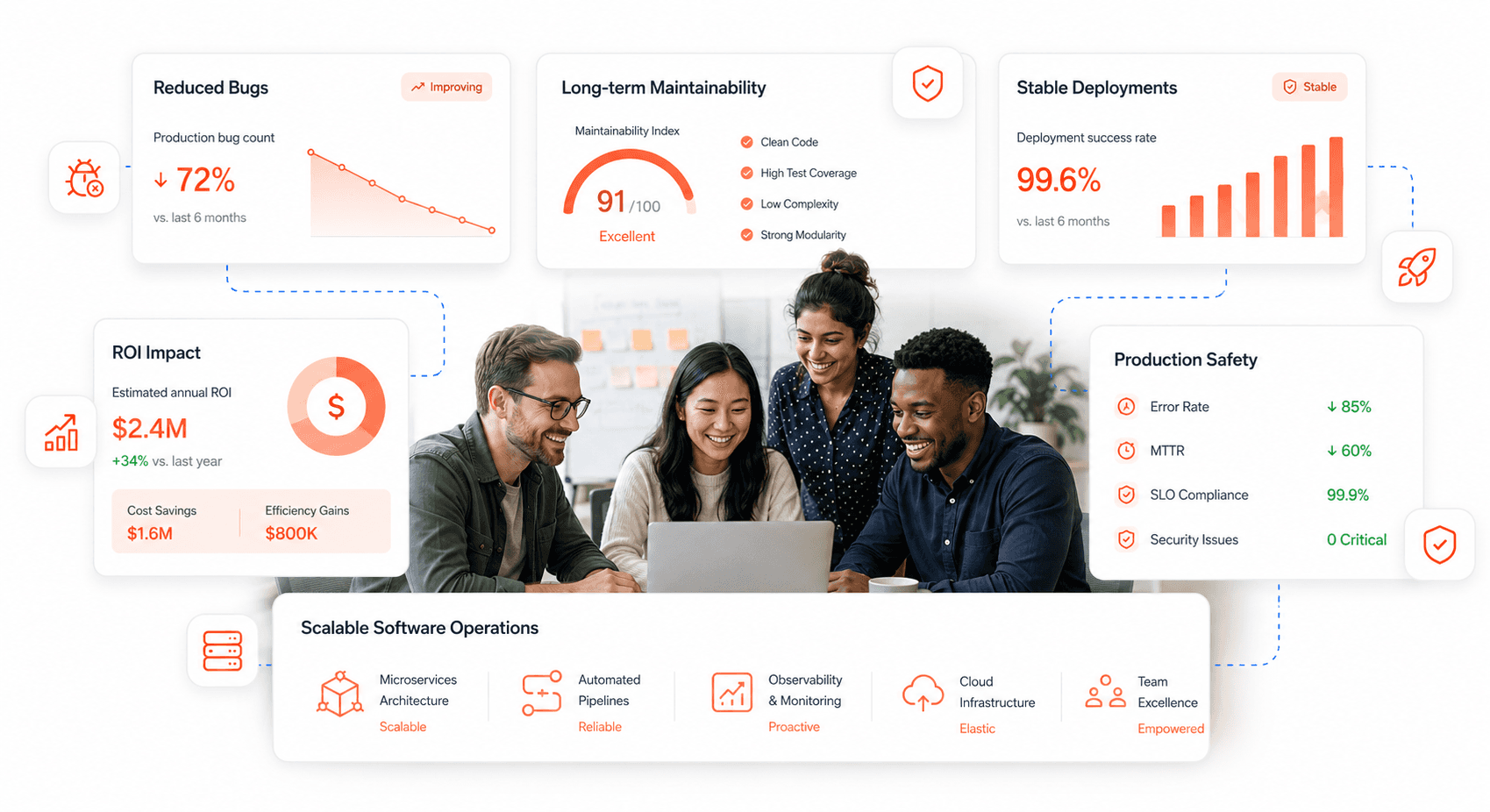
Related Blogs
Related Blogs
Is a clunky UI holding back your growth?
▶︎
Transform slow, frustrating dashboards into intuitive interfaces that ensure effortless user adoption.
▶︎
Transform slow, frustrating dashboards into intuitive interfaces that ensure effortless user adoption.
Is a clunky UI holding back your growth?
▶︎
Transform slow, frustrating dashboards into intuitive interfaces that ensure effortless user adoption.
▶︎
Transform slow, frustrating dashboards into intuitive interfaces that ensure effortless user adoption.
Is a clunky UI holding back your growth?
▶︎
Transform slow, frustrating dashboards into intuitive interfaces that ensure effortless user adoption.
▶︎
Transform slow, frustrating dashboards into intuitive interfaces that ensure effortless user adoption.