
Share

Share

Legacy Modernization Trends Report: SaaS

Legacy Modernization Trends Report: SaaS

Posted on

Frontend Development

Frontend Development

Posted at

Dec 26, 2025

Dec 26, 2025

Min read

10

I hope you found this post valuable. If you’re looking for proven frontend and design expertise to elevate your product, feel free to reach out.

I hope you found this post valuable. If you’re looking for proven frontend and design expertise to elevate your product, feel free to reach out.

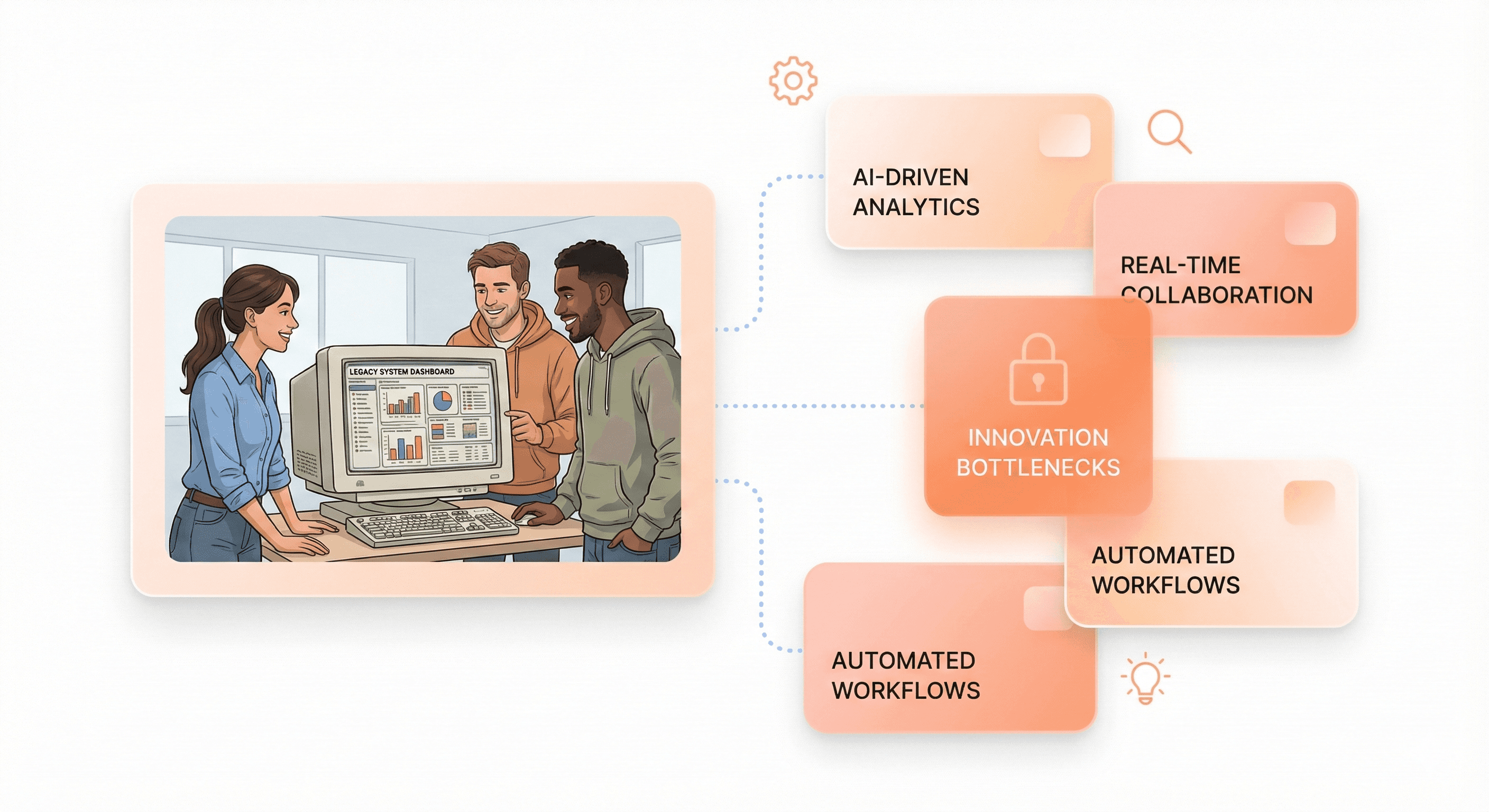
SaaS engineering team reviewing legacy system dashboards while modern feature cards are blocked, illustrating how outdated systems create innovation bottlenecks.

Legacy Modernization Trends Report: SaaS

Organizations running SaaS platforms face a critical challenge: aging legacy systems that once powered growth now create bottlenecks for innovation. This report examines the latest legacy modernization trends transforming how SaaS companies approach technical transformation in 2025.

This report is designed for SaaS CTOs, engineering leaders, and technology decision-makers who need practical strategies to modernize legacy systems without disrupting business operations or customer experience.

We'll explore three key areas that define successful SaaS modernization: Core Benefits of SaaS Legacy System Modernization - including the 30-50% reduction in maintenance costs that modernized companies achieve, Top Legacy Modernization Trends for 2025 - from containerization strategies used by 88% of IT companies to AI integration approaches, and Implementation Success Factors and Best Practices - proven techniques like the strangler pattern that allow gradual transformation while preserving business value.

The global modernization services market reached $17.8 billion in 2023 and continues growing at 16.7% annually, driven by SaaS companies seeking competitive advantage through technical transformation. This report provides the roadmap to join them successfully.

Understanding the SaaS Legacy Modernization Challenge

Resource Allocation Between Infrastructure and Revenue-Generating Features
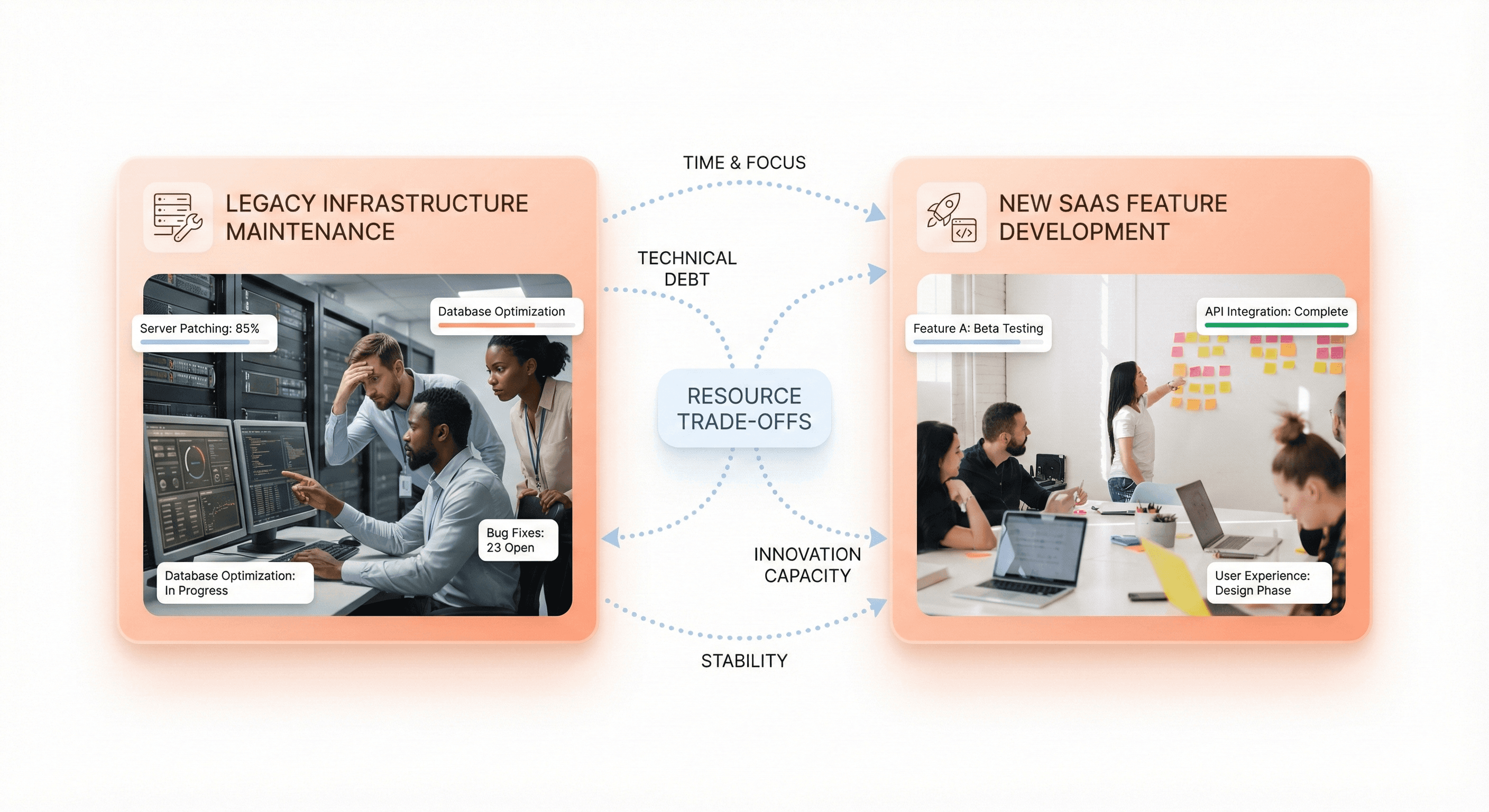
Split view showing SaaS engineers maintaining legacy infrastructure on one side and building new revenue-generating features on the other.

SaaS organizations face a critical balancing act when modernizing legacy systems, particularly in how they allocate limited development resources between maintaining aging infrastructure and building customer-facing features that drive revenue growth. The modernization of legacy systems requires significant financial and human capital investment, often demanding specialized consultants or developers that add substantial expense to projects.

This resource tension becomes particularly acute when considering that digital transformation spending is projected to reach $3.9 trillion globally by 2027, yet many initiatives struggle with proper resource allocation. Organizations must carefully weigh the immediate costs of legacy system updates against the potential revenue losses from delaying new feature development that keeps them competitive in the market.

The challenge intensifies when legacy systems require extensive custom code to integrate with modern cloud and SaaS solutions, consuming development time that could otherwise be spent on innovation. This time-consuming and expensive exercise is particularly problematic for budget-conscious organizations that need to demonstrate clear ROI from their technology investments while maintaining business continuity.

Institutional Knowledge Gaps from Developer Turnover
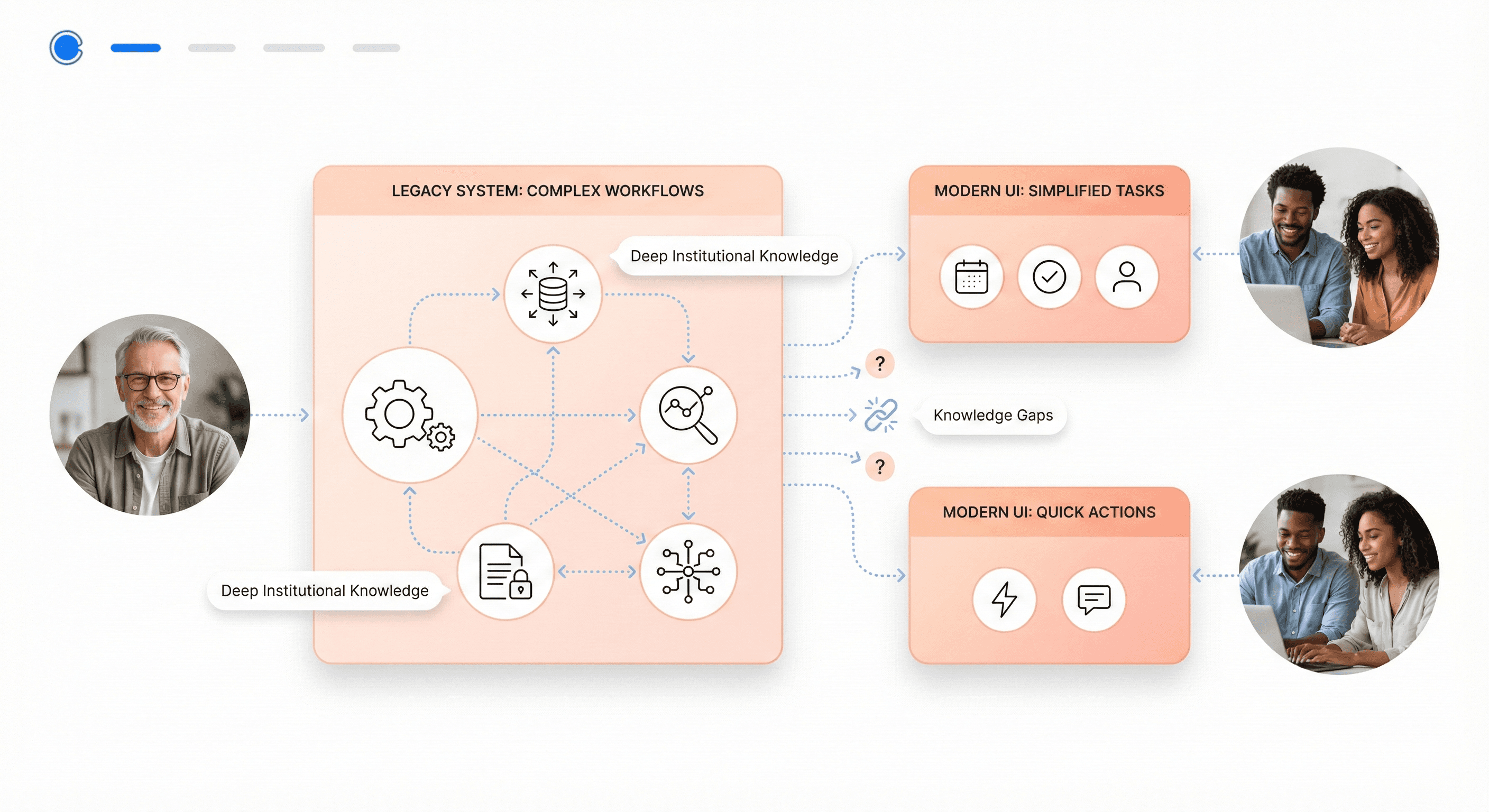
Senior developers connected to complex legacy systems while new team members struggle with undocumented code, highlighting institutional knowledge gaps.

As technology evolves, expertise in older systems becomes increasingly scarce, creating significant institutional knowledge gaps that threaten modernization efforts. Finding IT professionals proficient in outdated programming languages and architectures has become both challenging and costly, with fewer developers maintaining the deep understanding required for legacy system maintenance and upgrades.

This scarcity of specialized knowledge creates a dangerous dependency on a small number of employees who understand the intricacies of legacy systems. When these key personnel leave the organization, companies face severe operational risks, as their departure can leave critical systems without adequate support or documentation. The staff using legacy systems may have built extensive institutional knowledge over years, but this knowledge often remains undocumented and difficult to transfer.

The problem compounds when onboarding new staff, who typically lack familiarity with outdated systems and require extensive training from existing employees. This creates a bottleneck in knowledge transfer and increases the risk that organizations will lose critical understanding of their own systems. Organizations that rely on just a few people to maintain and operate legacy systems face significant vulnerability when those employees retire or move to other positions.

Operational Risk Management During System Updates

Legacy system modernization introduces substantial operational risks that must be carefully managed to prevent business disruption. During the transition to updated technologies, organizations face potential system downtime or functionality loss that can significantly impact day-to-day operations and lead to revenue losses.

The deeply embedded nature of legacy systems within organizational operations makes modernization a complex challenge, where upgrading or replacing one component can have unforeseen impacts across the entire IT landscape. These systems often contain intricate architectures and numerous dependencies on other systems and processes, creating a tangled web of customizations accumulated over years of operation.

Risk assessment becomes crucial in identifying potential challenges and vulnerabilities early in the modernization process. Key areas requiring attention include security vulnerabilities inherent in older systems, data integrity during migration processes, and compatibility issues between old and new systems. Organizations must build comprehensive strategies to address these risks while maintaining business continuity.

The average cyberattack cost businesses $9.48 million in 2023, making security considerations particularly critical during legacy system updates. Outdated systems often lack proper security updates and support, leaving them vulnerable to cybercriminals who actively seek weak points for exploitation.

Market Statistics on Digital Transformation Success Rates

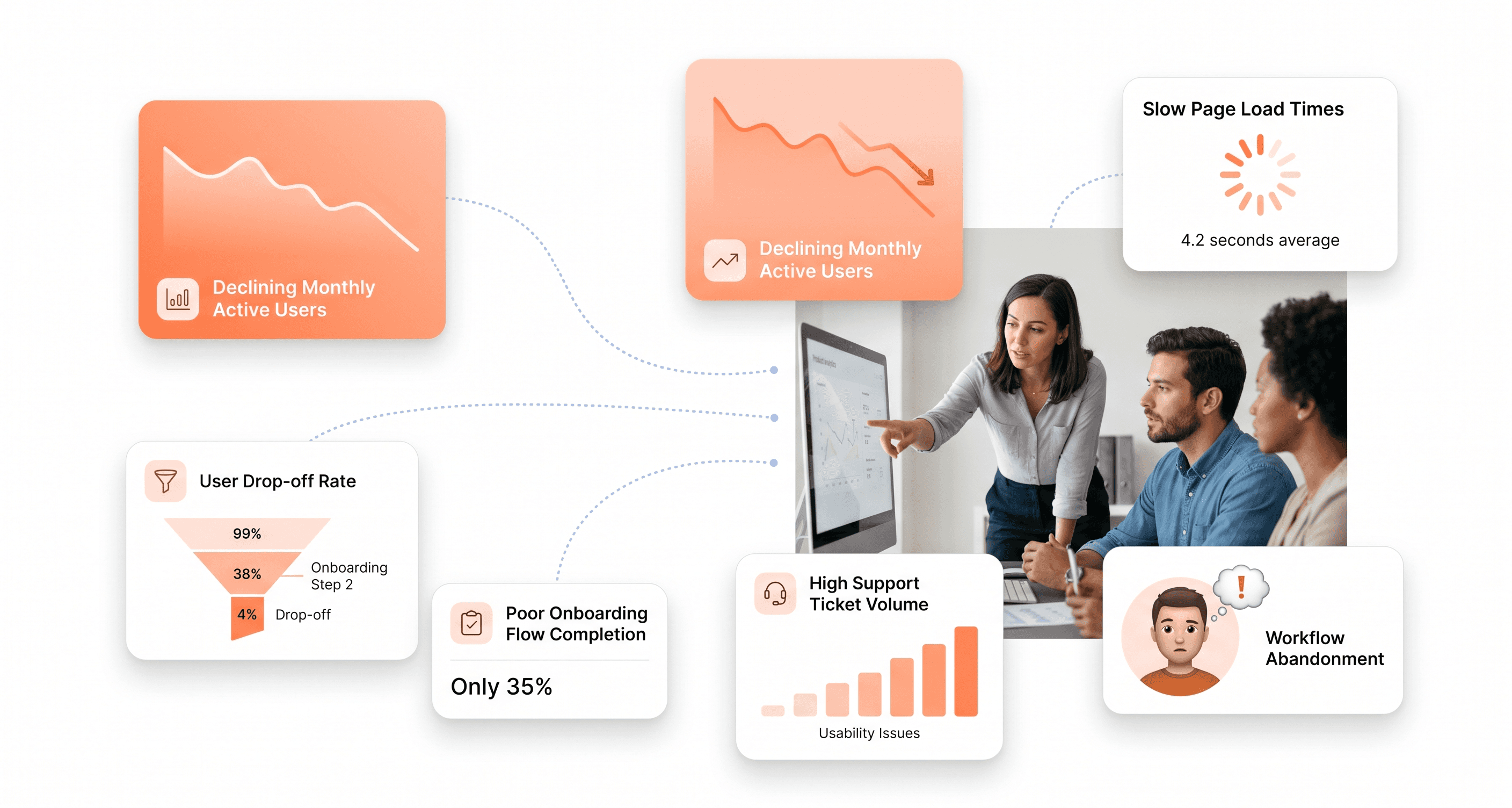
Despite significant investments in digital transformation initiatives, market data reveals concerning success rates that highlight the challenges facing organizations modernizing their legacy systems. Many businesses encounter substantial obstacles in their modernization efforts, with a concerning number of digital transformation plans considered failures - not because the concept was flawed, but due to poor strategic execution.

The statistics demonstrate that 96% of enterprises utilize at least one cloud service for their organization, indicating widespread adoption of modern technologies. However, this broad adoption doesn't necessarily translate to successful legacy system modernization, as many organizations struggle with the complexity of integrating new solutions with existing infrastructure.

Data-driven organizations show significantly better outcomes, being 23 times more likely to acquire customers, six times as likely to retain customers, and 19 times as likely to be profitable. This stark difference in performance metrics underscores the importance of successful legacy modernization in enabling data utilization and business intelligence capabilities.

The failure rate of digital transformation initiatives often stems from organizations enacting strategies that are unsuitable and undeliverable, frequently installing too many systems too quickly without proper implementation planning. This rush to modernize without adequate strategic foundation leads to project failures and wasted resources, emphasizing the need for careful planning and phased approaches to legacy system modernization.

Core Benefits of SaaS Legacy System Modernization

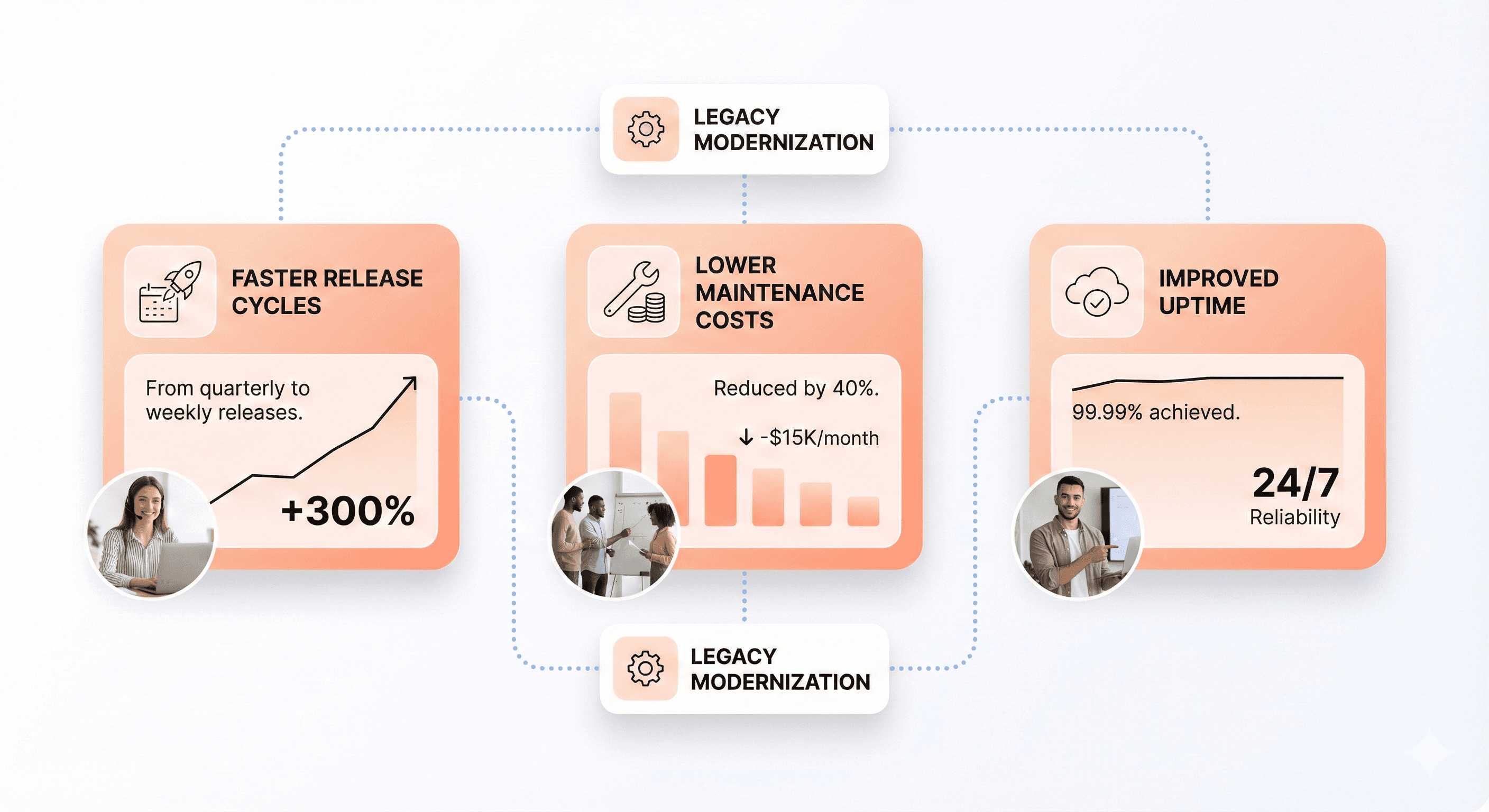
Modern SaaS dashboard cards showing faster releases, reduced maintenance costs, and improved system reliability after legacy modernization.

Accelerated Innovation and Feature Delivery Speed

Modern SaaS platforms fundamentally transform how organizations deliver new capabilities to their users. With cloud-native architectures supporting CI/CD pipelines, microservices, and API-first approaches, teams can deploy updates in days rather than weeks or months. This acceleration directly translates to faster innovation cycles and improved competitive positioning.

The shift from legacy systems to modern platforms enables organizations to push frequent updates without the extensive testing cycles and downtime traditionally associated with monolithic applications. Teams can focus on building new features rather than maintaining aging infrastructure, as evidenced by institutions reporting they're "always on the latest and greatest of everything" after modernization.

Reduced Infrastructure Costs and Critical Incidents

SaaS legacy modernization delivers substantial financial benefits through reduced operational overhead and improved system reliability. Organizations typically see a 40% reduction in IT support costs within the first year, with some reporting over $2.8M in value from reduced maintenance effort and avoided legacy infrastructure expenses.

Modern cloud-based systems offer optimized reliability and efficiency, delivering approximately $1.4M worth of improved system performance through reduced downtime and incidents. The vendor-managed services model eliminates the need for on-premises maintenance, infrastructure management, and the associated staffing costs. Additionally, institutions experience dramatic reductions in manual oversight requirements, with some saving over 9,400 hours of IT time annually.

Improved Developer Talent Retention

Legacy systems create significant challenges in attracting and retaining top technical talent. Modern development teams prefer working with current technologies, frameworks, and cloud-native architectures rather than maintaining outdated systems with limited growth potential.

Modernized environments enable developers to work with contemporary tools and practices, including containerization, microservices, and automated deployment pipelines. This technological advancement not only improves job satisfaction but also enhances career development opportunities for technical staff. Organizations report that modernization efforts help them attract skilled professionals who might otherwise avoid positions requiring legacy system maintenance.

Enhanced Security and Compliance Capabilities

Legacy systems present inherent security vulnerabilities that become increasingly difficult to address as they age. Modern SaaS platforms provide built-in compliance capabilities, end-to-end encryption, and sophisticated identity management systems that surpass what legacy infrastructure can offer.

The transition to cloud-based systems ensures that security updates and patches are automatically applied by vendors, eliminating the security gaps that often exist in manually maintained legacy environments. Organizations benefit from dedicated teams of experts working continuously to protect data and maintain system integrity, as noted by institutions emphasizing the value of having "a team of experts working around the clock to ensure our systems are up to date and that our student data is well protected."

Top Legacy Modernization Trends for 2025

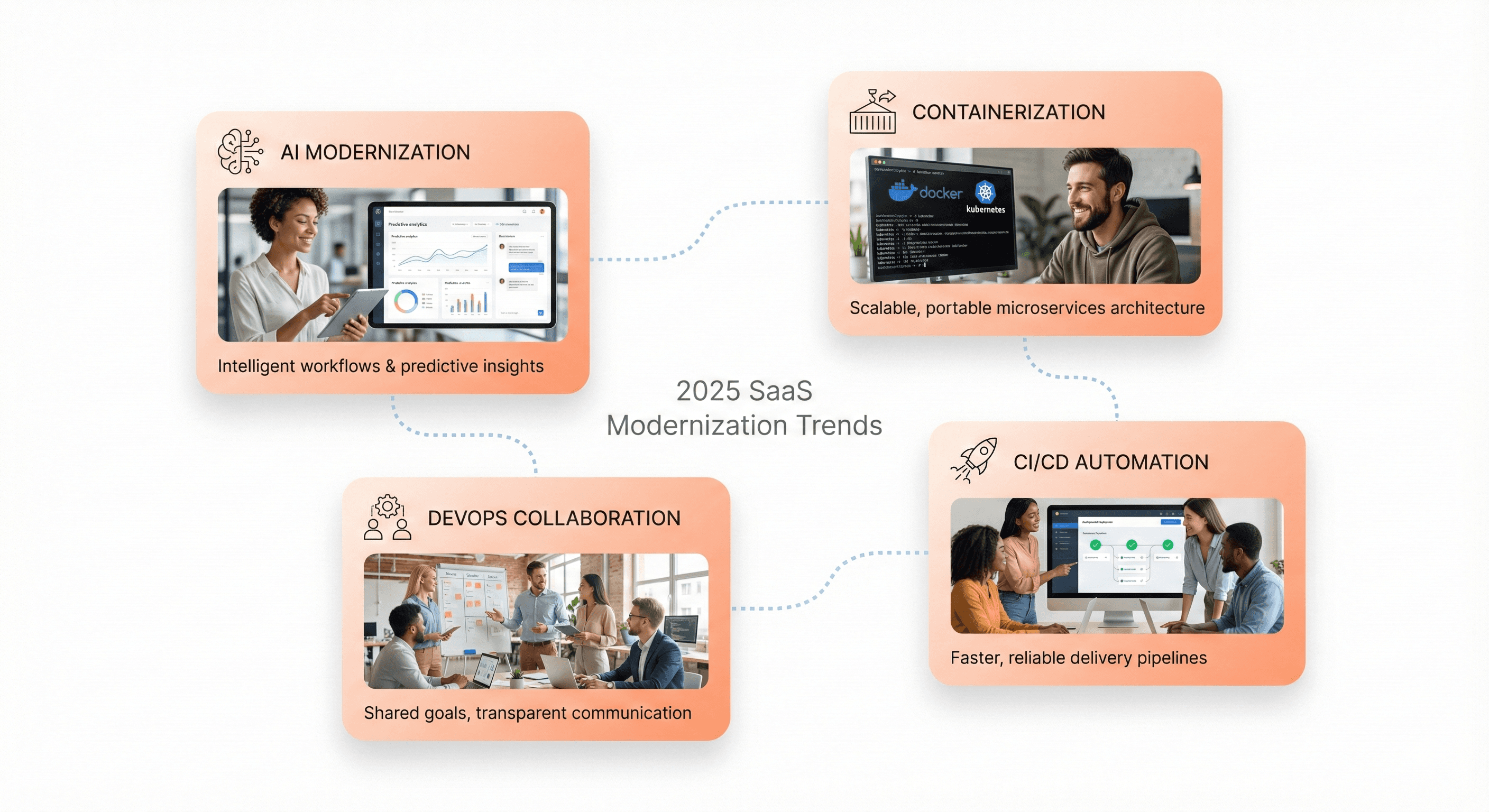
Interconnected UI cards representing AI modernization, containerization, CI/CD automation, and DevOps collaboration for SaaS platforms.

Code Updates and Third-Party Library Management

Previously, I've discussed the foundational challenges of legacy systems, and now let's examine how modern organizations are tackling code maintenance and dependency management. AI-powered code analysis and refactoring have emerged as game-changers for enterprises dealing with bloated, undocumented legacy codebases riddled with spaghetti logic.

Morgan Stanley's transformation exemplifies this trend perfectly. Facing millions of lines of COBOL, Java, and PL/SQL that were weighing down their systems, they deployed AI-powered modernization tools that translated legacy code into plain-English documentation, mapped dependencies, and flagged optimization opportunities. The results were remarkable: 9 million lines of code reviewed, 280,000 developer hours saved, and modernization roadmaps completed in months rather than years.

Modern AI-driven platforms like AppMod.AI are accelerating this process by delivering speed, accuracy, and deep visibility into legacy systems at a scale manual methods could never achieve. These tools provide 90% code review accuracy while reducing manual work by 80% and accelerating project analysis by 70%. For third-party library management specifically, AI-powered analysis identifies vulnerable dependencies, recommends secure alternatives, and automates the update process without destabilizing production workloads.

Containerization for Portable Application Deployment

With this in mind, next we'll explore how containerization is revolutionizing legacy application deployment. Modern enterprises are moving beyond traditional virtualization to embrace containerized environments that offer unprecedented portability and scalability.

Containerization enables organizations to package legacy applications with their dependencies, creating consistent environments across development, testing, and production. This approach is particularly valuable for hybrid cloud strategies where applications need to operate seamlessly across on-premises infrastructure and cloud environments.

Leading platforms like IBM's Application Modernization Platform demonstrate this trend by offering containerization support alongside Red Hat OpenShift integration. This combination enables businesses to modernize without disrupting mission-critical functions while supporting microservices deployment and maintaining system reliability.

The Department of Defense has successfully implemented containerized approaches as part of their Zero Trust modernization initiative, using micro-segmentation and dynamic identity-aware tunneling within containerized environments. This proves that even highly regulated environments can benefit from containerization while maintaining strict security requirements.

CI/CD Implementation with Automated Testing
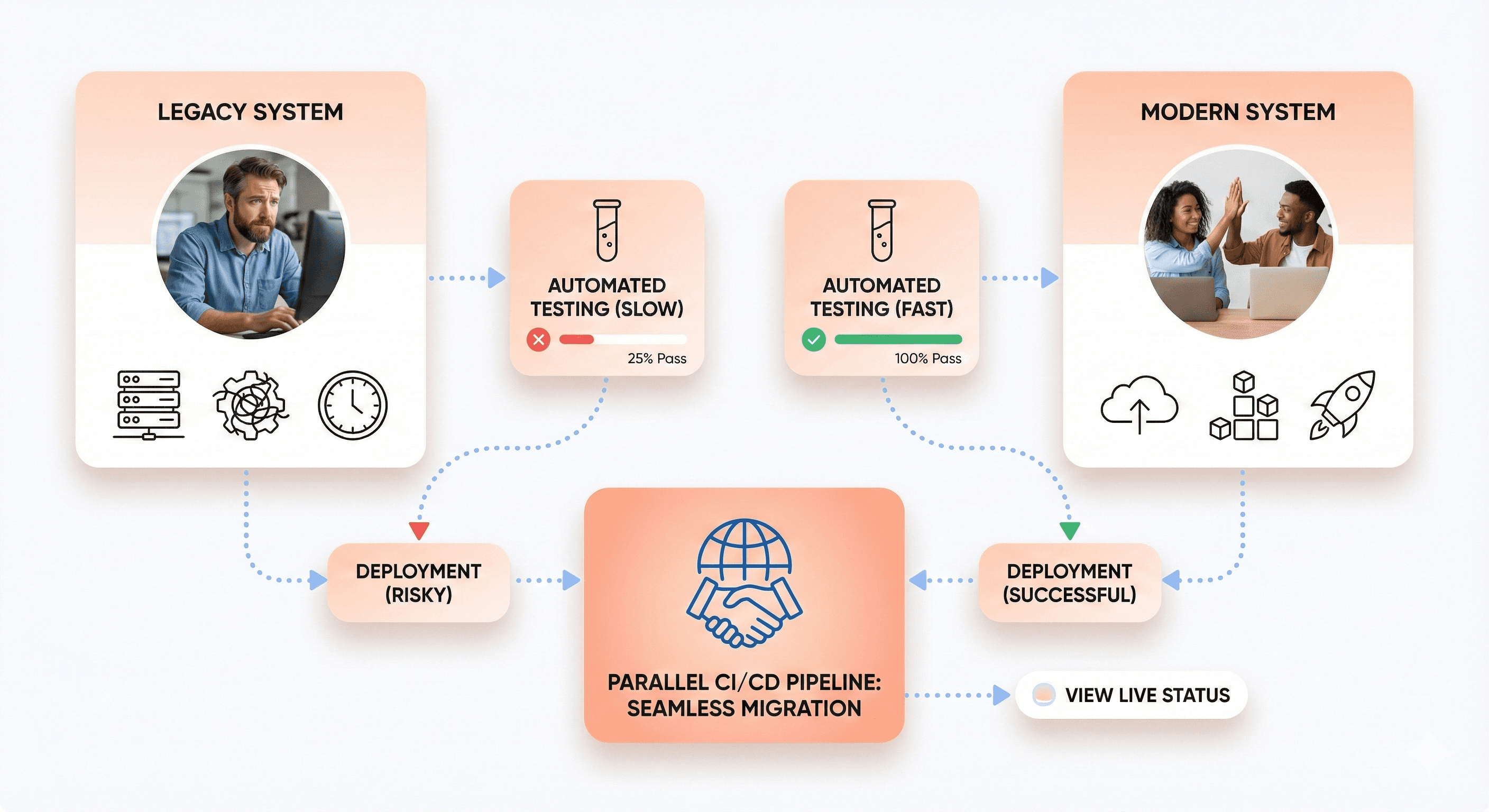
CI/CD pipeline showing legacy and modern systems running in parallel with automated testing to ensure safe SaaS modernization.

Now that we have covered containerization, let's examine how continuous integration and continuous deployment pipelines are transforming legacy modernization efforts. Modern CI/CD implementation represents a fundamental shift from manual, error-prone deployment processes to automated, reliable delivery mechanisms.

Automated testing within CI/CD pipelines has become essential for legacy modernization projects. Platforms like AWS Mainframe Modernization showcase this trend by integrating with CloudWatch and AWS CodePipeline, enabling automated code translation from COBOL to Java while maintaining runtime management for quicker deployments.

Google Cloud Dual Run exemplifies advanced testing capabilities by enabling parallel-run techniques where both legacy and modernized systems operate concurrently. This approach provides real-time testing during migration, integrated tools for transparency and compliance, making it perfect for mission-critical systems in banking and insurance sectors.

The implementation of automated testing frameworks ensures that modernized applications maintain functional parity with their legacy counterparts while introducing new capabilities. High-fidelity automated testing, as demonstrated by Heirloom Computing's COBOL-to-Java transformation approach, maintains business logic integrity while enabling cloud-native deployment.

DevOps Philosophy Integration for Cross-Team Collaboration

Finally, the integration of DevOps philosophy represents the cultural transformation necessary for successful legacy modernization. This trend goes beyond tool adoption to encompass organizational change, breaking down silos between development and operations teams.

Kyndryl Modernization Services demonstrates this holistic approach by combining infrastructure automation with modernization strategy consulting. Their platform provides AI-powered workload assessments and cloud-native transformation roadmaps, particularly focusing on regulated industries like government, healthcare, and finance that require strategic, end-to-end modernization consulting.

The DevOps integration trend emphasizes collaboration tools and shared responsibility models that enable cross-functional teams to work efficiently on modernization projects. This includes implementing monitoring tools that provide continuous visibility into system performance, as recommended for platforms offering multiple modernization pathways rather than single-solution approaches.

Event-driven modernization architectures, as exemplified by Netflix's transformation from batch processing to real-time microservices, demonstrate how DevOps principles enable organizations to react instantly to events. This approach empowers AI, predictive analytics, and personalization while reducing latency and improving resilience during traffic surges through independent scaling capabilities.

Modern Technical Approaches and Strategies

Strangler Pattern for Gradual Component Replacement
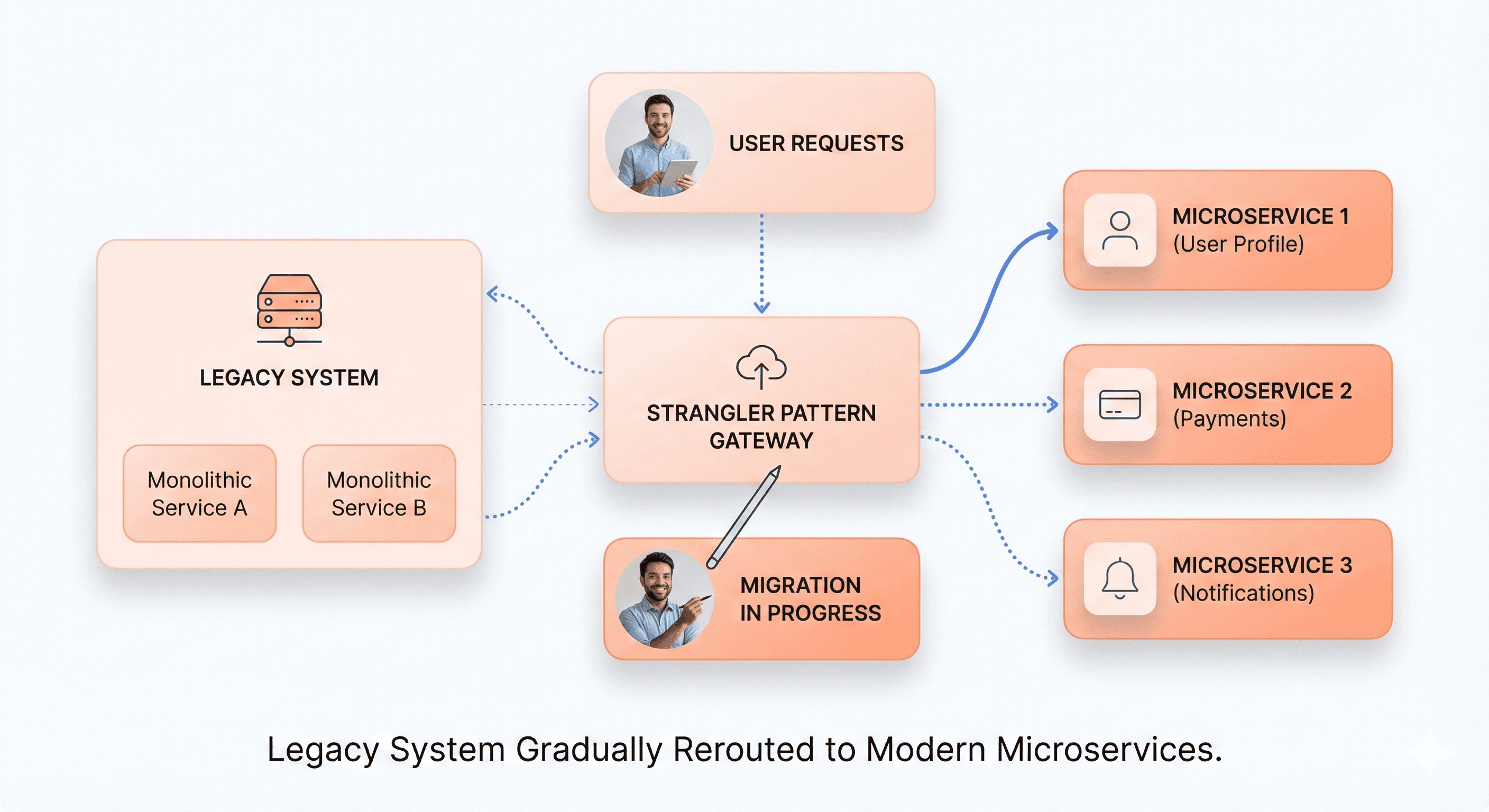
Legacy system components gradually routed to modern microservices using the strangler pattern to enable zero-downtime modernization.

The Strangler Pattern emerges as a cornerstone approach for legacy modernization, enabling organizations to systematically replace legacy components without disrupting critical business operations. This pattern involves gradually "strangling" the old system by incrementally routing functionality to new services while maintaining operational continuity. The approach proves particularly valuable when dealing with mission-critical applications that cannot afford downtime during modernization efforts.

Organizations implementing the Strangler Pattern can achieve remarkable results, as evidenced by entities reporting a 50% reduction in time to market and a 30% increase in sales within the first year through side-by-side development approaches. This methodology allows teams to identify essential functions and prioritize modernization initiatives based on their business impact, ensuring that the most valuable components receive attention first.

The pattern's effectiveness lies in its risk mitigation capabilities, allowing organizations to test new implementations alongside existing systems before fully committing to the transition. This gradual approach enables teams to address potential challenges before they escalate, ensuring a smoother transition to modern architectures while preserving operational efficiency throughout the modernization process.

Comprehensive Testing Coverage Before Code Modifications

Previously established modernization strategies emphasize the critical importance of implementing robust testing frameworks before initiating any code modifications. Automated testing emerges as an essential component of successful legacy modernization, ensuring that updates or changes made during the modernization process do not compromise existing functionalities while supporting continuous integration and deployment processes.

The testing framework must align with your technology stack and support various types of testing including unit, integration, and system testing. Integration of testing into the CI/CD pipeline ensures that automated tests run with every code commit as part of the continuous integration and deployment pipeline. Organizations should regularly update and expand test cases to cover new features and scenarios, guaranteeing thorough application coverage.

Effective testing practices involve analyzing test results to identify and address issues promptly, while continuously refining testing processes based on feedback and data. This comprehensive approach to testing coverage becomes particularly crucial when dealing with legacy systems where existing functionalities must remain intact while new capabilities are introduced. The investment in comprehensive testing infrastructure pays dividends by reducing the risk of introducing bugs or system failures during the modernization process.

Systematic Monolith Decoupling into Microservices
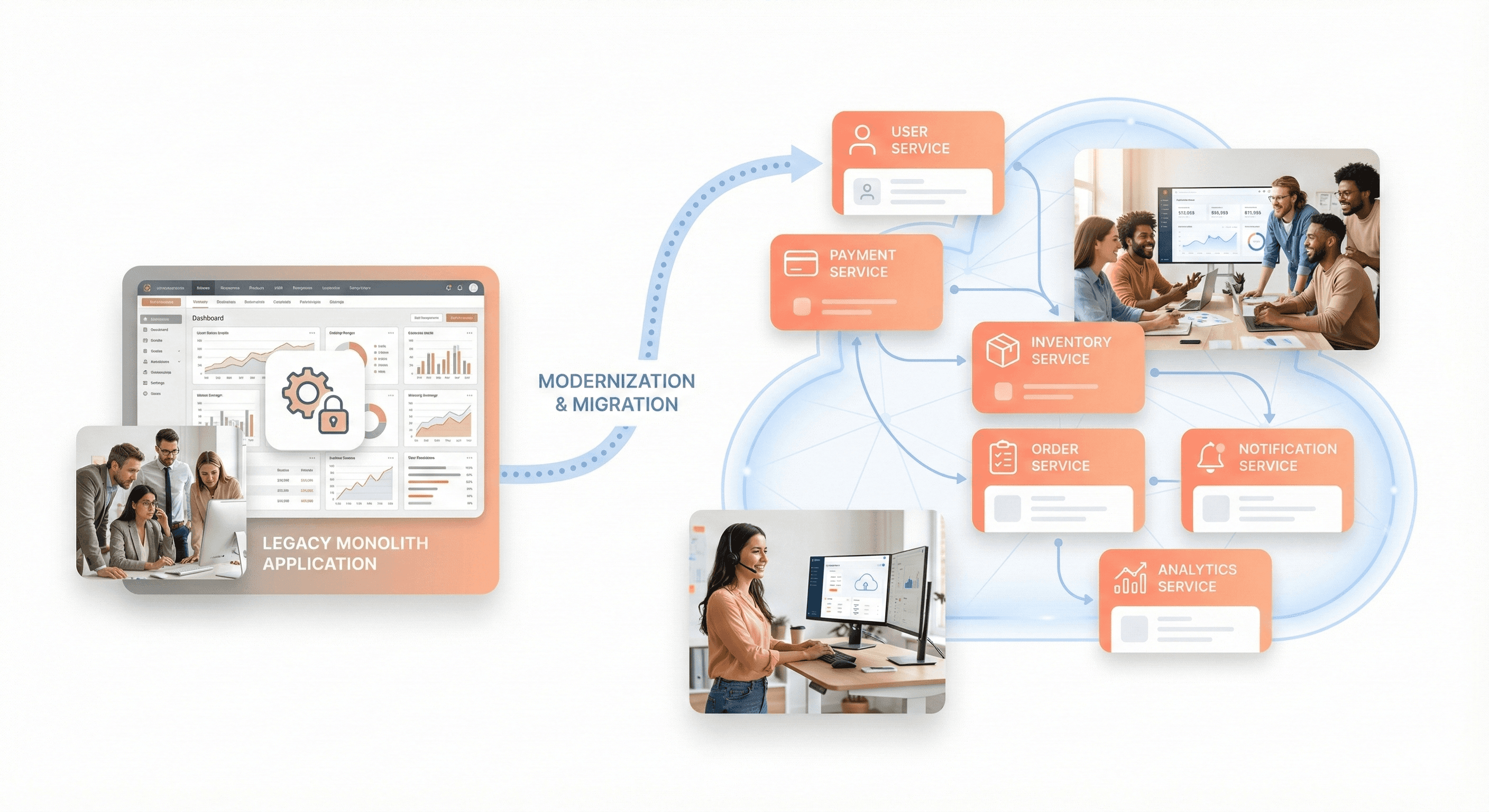
Large monolithic legacy application transitioning into modular cloud-native microservices for better scalability and performance.

With comprehensive testing coverage established, the next critical approach involves systematic monolith decoupling into microservices architecture. This transformation enables organizations to break down monolithic legacy applications into smaller, manageable components that can be independently developed, deployed, and scaled. The decoupling process requires careful architectural planning and a deep understanding of existing system dependencies.

Modern cloud platforms like Google Kubernetes Engine facilitate this transformation by enabling the containerization of legacy applications, thereby boosting their agility and manageability. The containerization approach allows organizations to gradually transition their traditional setups, adopting a hybrid model that integrates both on-premises and cloud solutions while maintaining operational continuity.

The microservices architecture approach offers enhanced scalability, flexibility, and cost efficiency compared to monolithic systems. Organizations can leverage cutting-edge technologies such as AI and machine learning within individual microservices, positioning them for future growth and innovation. However, this transformation requires meticulous planning to ensure seamless service communication, data consistency, and proper service boundaries that align with business domains.

Business Impact-Driven Prioritization Framework

Now that we have covered the technical implementation strategies, establishing a business impact-driven prioritization framework becomes essential for successful legacy modernization initiatives. This framework ensures that modernization efforts align strategically with overarching business objectives while maximizing return on investment and minimizing operational risks.

The prioritization framework begins with conducting thorough assessments of current systems, identifying mission-critical applications, and establishing clear understanding of business requirements. Strategic planning outlines specific goals for advancement, including performance enhancement, cost reduction, and improved user experience. Organizations must evaluate applications based on their business value and operational impact to determine modernization priorities.

Tools like the IBM Application Modernization Accelerator enable companies to effectively visualize their application landscape, allowing them to prioritize enhancement initiatives based on their potential business impact. Entities utilizing such structured approaches have reported decreases in application discovery time by over 99% and 70% reductions in total update time, showcasing the effectiveness of business-driven prioritization methodologies.

Stakeholder engagement emerges as a vital component throughout this process, ensuring that improvement initiatives align with organizational goals and objectives. Engaging stakeholders from different departments helps establish clear goals and success indicators for modernization projects while fostering collaboration and enhancing the likelihood of successful outcomes. This collaborative approach addresses concerns, incorporates diverse perspectives, and ensures that all parties work towards common objectives, ultimately leading to more successful modernization results.

Advanced Modernization Techniques

Mobile-First Development and Cross-Platform Accessibility

With the increasing demand for responsive applications, mobile-first development has become a cornerstone of advanced legacy modernization. Organizations modernizing legacy systems must prioritize cross-platform accessibility to ensure their applications function seamlessly across all devices and platforms. This approach involves redesigning legacy application architecture to support responsive design principles and mobile-optimized user interfaces.

The transformation process requires careful consideration of how legacy applications in cloud environments can be optimized for mobile access. By adopting mobile-first principles during legacy modernization, businesses can dramatically improve user experience while ensuring their systems remain competitive in today's mobile-centric landscape. This strategy is particularly effective when combined with replatforming or re-architecting approaches, as it allows organizations to leverage modern development frameworks that inherently support cross-platform functionality.

AI Chatbot Integration for Customer Support Automation

AI-driven solutions are revolutionizing how organizations approach legacy modernization, particularly in customer support automation. Advanced platforms now enable businesses to integrate intelligent chatbots that can seamlessly interact with modernized legacy systems, providing 24/7 customer support while reducing operational costs.

The integration of AI chatbots during legacy transformation offers significant advantages, including automated workflow processing and enhanced customer experiences. As referenced in successful healthcare transformations, AI-driven strategies can yield an average ROI of 124%. Organizations implementing AI chatbot integration as part of their legacy modernization strategy can automate routine customer inquiries, freeing up human resources for more complex tasks while maintaining service quality.

These AI-powered tools can be particularly effective when integrated with low-code platforms, allowing businesses to rapidly deploy and customize chatbot functionality without extensive coding requirements. The automation capabilities extend beyond simple question-and-answer scenarios to include complex decision-making processes and seamless integration with existing business workflows.

Cloud Migration for Enhanced Performance and Security

Cloud migration represents a fundamental pillar of advanced legacy modernization techniques, offering organizations enhanced scalability, flexibility, and cost efficiency. With 83% of mid-sized businesses having moved over half of their workloads to the cloud, this trend underscores the critical importance of cloud adoption in modernization strategies.

Google Cloud and similar platforms provide comprehensive tools for migrating legacy applications, enabling organizations to adopt hybrid models that integrate both on-premises and cloud solutions. Platforms like Google Kubernetes Engine facilitate legacy modernization by enabling containerization of legacy applications, significantly boosting their agility and manageability.

The security benefits of cloud migration are substantial, addressing the vulnerabilities inherent in outdated systems. Cloud-native architectures provide advanced security protocols, regular updates, and real-time threat monitoring capabilities that legacy systems often lack. Organizations report a 74% decrease in hardware and staffing expenses alongside an 80% enhancement in processing speeds following cloud migration.

Meticulous planning prior to migration is essential for ensuring seamless transition. The global cloud market projected to reach $732 billion by 2025 highlights the paramount importance of cloud migration in legacy modernization strategies. Organizations must address security concerns throughout the upgrade process while leveraging cutting-edge technologies such as AI and machine learning for future growth and innovation.

A/B Testing and User Feedback Analysis Implementation

Modern legacy modernization strategies must incorporate continuous improvement methodologies, with A/B testing and user feedback analysis serving as critical components for optimizing modernized systems. These techniques enable organizations to make data-driven decisions during and after the transformation process, ensuring that legacy modernization efforts align with actual user needs and business objectives.

Implementing A/B testing frameworks allows organizations to compare different versions of modernized features, measuring performance improvements and user satisfaction levels. This approach is particularly valuable when refactoring legacy code or implementing new user interfaces, as it provides concrete evidence of improvement effectiveness.

User feedback analysis tools integrated into modernized systems enable continuous monitoring of application performance and user experience. Organizations can leverage real-time observability tools to track user interactions, identify pain points, and prioritize future enhancement initiatives based on actual usage patterns and feedback.

The combination of A/B testing and user feedback analysis supports the Day 2 planning phase, which is essential for sustaining modernized systems post-launch. By establishing robust feedback loops and testing mechanisms, organizations ensure their legacy modernization investments continue delivering value long after the initial transformation is complete.

Identifying When Legacy Systems Require Modernization

Performance Issues Affecting User Experience

Frequent system downtime and instability represent one of the most visible signs that legacy modernization is overdue. Older hardware and software lack failover mechanisms and redundancy, leading to frequent outages that result in lost revenue, operational delays, and frustrated customers. These performance issues manifest as repeated and hardly predictable system failures, visible lag in transaction and query processing, and inconsistent system performance that struggles to support high-traffic loads.

Legacy systems often demonstrate their limitations through slow, outdated interfaces that are poorly designed and require extensive learning time. Today's users expect fast, intuitive, and mobile-friendly experiences, making these sluggish systems a significant barrier to user satisfaction. The operational dysfunction from these performance issues overburdens IT teams, forcing them to spend up to 25 hours per week patching and restoring broken systems instead of experimenting with new features and innovations.

Functionality Problems and Integration Failures

Legacy systems face significant challenges when attempting to integrate with modern tools and platforms. These outdated systems often lack the APIs and integrations needed to connect with modern analytics, cloud services, and SaaS applications. Without efficient data sharing capabilities, information remains siloed, forcing organizations to rely on expensive and unreliable custom workarounds.

Most dated systems do not expose APIs or support modern two-way communication protocols for secure data access like RESTful APIs, OAuth2, JSON, or WebSockets. Additionally, these systems depend on outdated protocols no longer supported by most modern applications. Integration attempts often require custom-built connectors that incur additional costs and may create hidden vulnerabilities.

The rigid architecture of legacy technology struggles to handle increasing transaction volumes and expanding datasets. While temporary fixes may offer short-term relief, they often introduce performance bottlenecks that limit future innovation and scalability.

Security Vulnerabilities and Compliance Gaps

Security vulnerabilities represent one of the most critical concerns with legacy systems. Outdated code lacks the latest security protections, making it a prime target for cybercriminals. While patching known weaknesses may offer partial protection, some vulnerabilities are too costly or impossible to fix without a complete system overhaul. Legacy systems are particularly vulnerable because they often lack basic modern security measures such as multi-factor authentication, end-to-end encryption, identity and access management controls, and real-time threat detection.

The compliance landscape presents additional challenges for legacy systems. These platforms rarely meet modern security standards or regulations such as GDPR, NIST, HIPAA, PCI DSS, or SOX. Ensuring compliance often requires excessive documentation and complex workarounds, and failing to comply exposes organizations to fines, audits, and reputational damage.

New regulations like DORA (Digital Operational Resilience Act), NIS2 (Network and Information Security Directive), and various AI Acts require organizations to ensure continuous monitoring, observability, incident reporting, and detailed IT risk documentation. Legacy platforms lack centralized logging capabilities, making traceability of incidents nearly impossible and complicating IT audits significantly.

Complete System Replacement Decision Criteria

Several factors indicate when complete system replacement becomes necessary rather than incremental updates. High maintenance and support costs serve as a primary indicator, with companies spending up to $40,000 annually on legacy software maintenance and IT departments dedicating 17 hours weekly to recurring legacy-related tasks. When 65% of businesses allocate over $2 million annually for legacy infrastructure maintenance and support, replacement becomes economically justified.

The inability to scale with business growth represents another critical replacement criterion. Legacy systems that cannot handle increasing workloads or integrate with modern business requirements become operational bottlenecks that limit organizational growth and innovation capabilities.

Talent and resource availability also influence replacement decisions. Modern developers favor languages like Python and Go, while expertise in COBOL and mainframe systems is increasingly scarce and expensive. As specialists retire, finding replacements becomes more difficult and costly, making system replacement more attractive than ongoing maintenance.

The decision for complete replacement should also consider the system's compatibility with future technologies. Systems that cannot support AI integration, automation tools, or modern analytics platforms limit an organization's ability to remain competitive and leverage emerging technologies for business advantage.

Implementation Success Factors and Best Practices

Incremental Refactoring Using the Boy Scout Rule

Now that we have covered the technical approaches for modernization, implementing incremental refactoring becomes essential for sustainable legacy system transformation. The Boy Scout Rule - "leave the codebase cleaner than you found it" - provides a practical framework for continuous improvement during modernization projects. This approach allows development teams to address technical debt systematically without disrupting ongoing operations.

Incremental refactoring involves making small, focused improvements to the codebase with each interaction, rather than attempting massive overhauls. By restructuring existing code without changing its external behavior, teams can improve design, structure, and implementation while preserving functionality. This method enables organizations to clean up accumulated technical debt from years of operation and updates, enhancing system performance and scalability over time.

The key advantage of this approach is that refactoring can be performed incrementally to keep systems operational throughout the modernization process. Teams can focus on specific components or modules, making surgical improvements that collectively transform the entire application. This reduces risk compared to complete system rewrites while delivering measurable improvements in code maintainability and system performance.

Clear Interface Contracts Between System Services

Previously, we've established that modernization often involves transitioning to microservices architectures and cloud-native systems. Clear interface contracts between system services become critical for successful modernization, particularly when adopting microservices architectures or integrating legacy systems with modern components.

Well-defined interface contracts ensure that different system components can communicate effectively while maintaining independence. This becomes especially important during replatforming or rearchitecting initiatives, where applications move between environments or undergo structural changes. Interface contracts specify how services interact, what data they exchange, and how they handle errors or failures.

During modernization projects, establishing clear contracts helps teams manage the complexity of system dependencies. Legacy systems often have intricate architectures with numerous dependencies on other systems and processes, making upgrades challenging. By documenting and formalizing these interfaces, teams can better understand system interactions and plan modernization strategies that minimize disruption.

Modern development practices such as containerization and microservices architecture rely heavily on well-defined service contracts. These contracts enable more efficient application deployment and management while supporting automated deployments and continuous integration/continuous deployment (CI/CD) practices.

Professional Guidance for Complex Technical Transformations

With this in mind, next, we'll examine how professional guidance becomes invaluable for complex technical transformations. Legacy system modernization is typically a resource-intensive endeavor, demanding significant financial and human capital investment. The complexity and dependencies inherent in legacy systems often require specialized expertise to navigate successfully.

Professional guidance helps address the skill gaps that commonly plague modernization projects. As technology evolves, expertise in older systems becomes scarce, with fewer IT professionals proficient in outdated programming languages and architectures. This scarcity complicates efforts to maintain, troubleshoot, and upgrade legacy applications, making specialized consultants or developers essential for project success.

Modernization specialists bring deep understanding of both existing system architectures and desired improvements. They can help organizations conduct comprehensive risk assessments to identify potential challenges and vulnerabilities early in the process. This enables teams to prioritize issues based on their impact and likelihood, ensuring resources are allocated appropriately to mitigate risks.

Professional services also help organizations select appropriate modernization strategies from the seven Rs framework - replacing, retaining, retiring, rehosting, replatforming, rewriting, and refactoring. Each approach has different requirements and outcomes, making expert guidance crucial for matching strategies to specific business needs and technical constraints.

Market Growth Projections and Industry Adoption Rates

The modernization landscape continues to evolve rapidly, with organizations increasingly recognizing the strategic importance of updating legacy systems. Market trends indicate growing adoption of cloud-native architectures, with companies transitioning from monolithic applications to microservices-based designs to achieve better scalability and agility.

Industry adoption rates reflect the urgency of modernization efforts, particularly as regulatory requirements become more stringent and security threats more sophisticated. Organizations across sectors are investing in modernization to meet compliance standards, reduce operational risks, and improve competitive positioning.

The rise of artificial intelligence and machine learning technologies is also driving modernization adoption, as organizations seek to integrate advanced capabilities into their existing systems. Legacy systems often cannot support these modern technologies without significant updates or complete replacement, accelerating modernization timelines.

Cloud computing adoption continues to influence modernization strategies, with organizations leveraging cloud platforms for improved scalability, reliability, and cost efficiency. This trend supports various modernization approaches, from simple rehosting to complete rearchitecting for cloud-native operations.

Conclusion
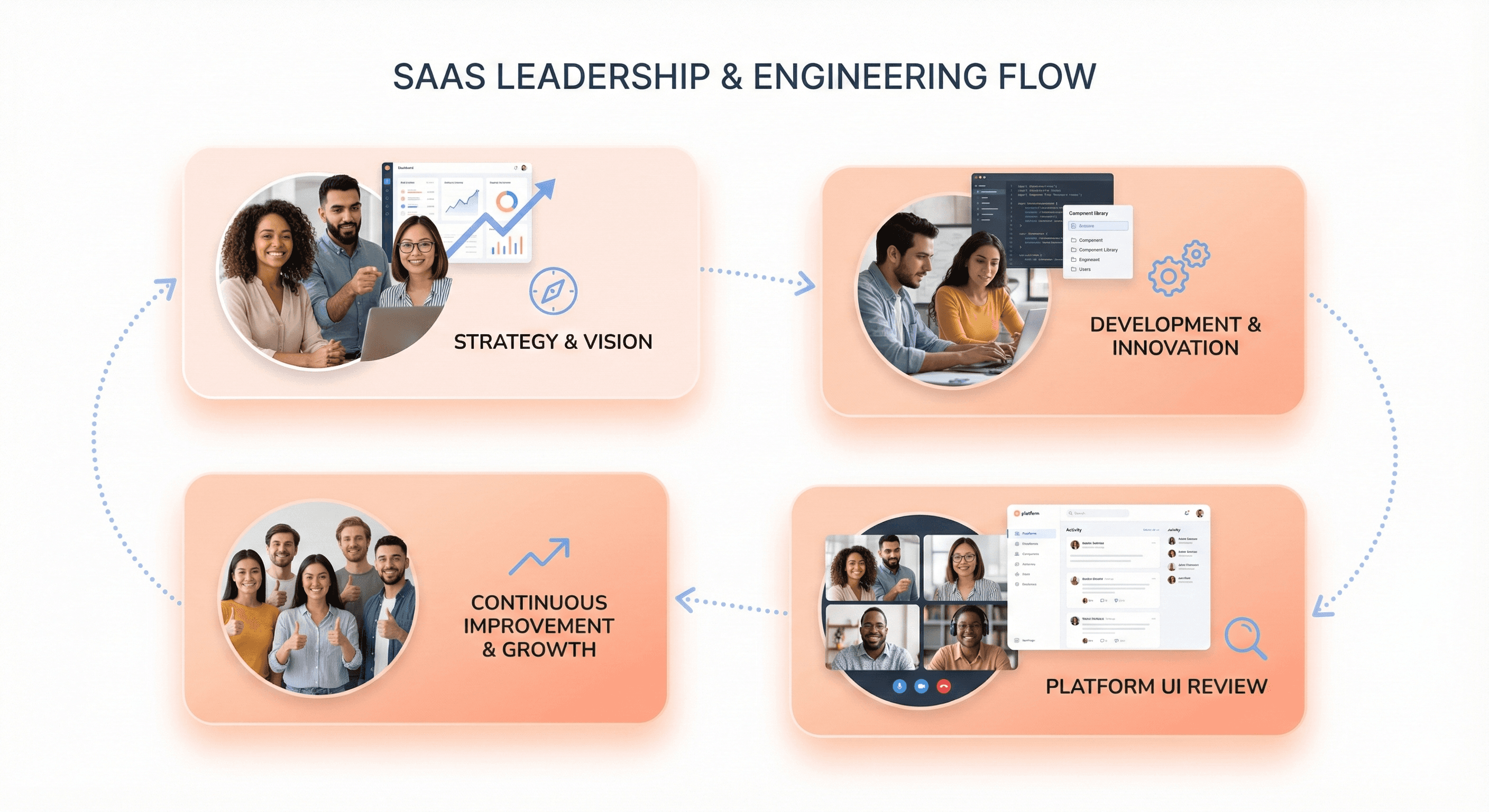
SaaS leadership and engineering teams reviewing modern platforms connected in a continuous improvement and modernization workflow.

Legacy system modernization isn't just a technical necessity—it's a strategic imperative for SaaS companies looking to remain competitive in 2025 and beyond. The trends and approaches outlined in this report demonstrate that successful modernization requires a thoughtful, incremental strategy rather than disruptive overhauls. From containerization and cloud migration to implementing DevOps practices and AI-powered capabilities, organizations that embrace these modernization trends can achieve 30-50% reductions in maintenance costs while accelerating innovation cycles by up to 3x.

The key to successful legacy modernization lies in treating it as a continuous journey rather than a one-time project. By adopting proven techniques like the strangler pattern, prioritizing business impact, and implementing comprehensive testing frameworks, SaaS companies can transform their technical foundations while preserving institutional knowledge and maintaining operational stability. Your legacy code represents years of business wisdom—modernize it strategically to unlock new capabilities while protecting the value you've already built.


Legacy Modernization Trends Report: SaaS

Organizations running SaaS platforms face a critical challenge: aging legacy systems that once powered growth now create bottlenecks for innovation. This report examines the latest legacy modernization trends transforming how SaaS companies approach technical transformation in 2025.

This report is designed for SaaS CTOs, engineering leaders, and technology decision-makers who need practical strategies to modernize legacy systems without disrupting business operations or customer experience.

We'll explore three key areas that define successful SaaS modernization: Core Benefits of SaaS Legacy System Modernization - including the 30-50% reduction in maintenance costs that modernized companies achieve, Top Legacy Modernization Trends for 2025 - from containerization strategies used by 88% of IT companies to AI integration approaches, and Implementation Success Factors and Best Practices - proven techniques like the strangler pattern that allow gradual transformation while preserving business value.

The global modernization services market reached $17.8 billion in 2023 and continues growing at 16.7% annually, driven by SaaS companies seeking competitive advantage through technical transformation. This report provides the roadmap to join them successfully.

Understanding the SaaS Legacy Modernization Challenge

Resource Allocation Between Infrastructure and Revenue-Generating Features

Split view showing SaaS engineers maintaining legacy infrastructure on one side and building new revenue-generating features on the other.

SaaS organizations face a critical balancing act when modernizing legacy systems, particularly in how they allocate limited development resources between maintaining aging infrastructure and building customer-facing features that drive revenue growth. The modernization of legacy systems requires significant financial and human capital investment, often demanding specialized consultants or developers that add substantial expense to projects.

This resource tension becomes particularly acute when considering that digital transformation spending is projected to reach $3.9 trillion globally by 2027, yet many initiatives struggle with proper resource allocation. Organizations must carefully weigh the immediate costs of legacy system updates against the potential revenue losses from delaying new feature development that keeps them competitive in the market.

The challenge intensifies when legacy systems require extensive custom code to integrate with modern cloud and SaaS solutions, consuming development time that could otherwise be spent on innovation. This time-consuming and expensive exercise is particularly problematic for budget-conscious organizations that need to demonstrate clear ROI from their technology investments while maintaining business continuity.

Institutional Knowledge Gaps from Developer Turnover

Senior developers connected to complex legacy systems while new team members struggle with undocumented code, highlighting institutional knowledge gaps.

As technology evolves, expertise in older systems becomes increasingly scarce, creating significant institutional knowledge gaps that threaten modernization efforts. Finding IT professionals proficient in outdated programming languages and architectures has become both challenging and costly, with fewer developers maintaining the deep understanding required for legacy system maintenance and upgrades.

This scarcity of specialized knowledge creates a dangerous dependency on a small number of employees who understand the intricacies of legacy systems. When these key personnel leave the organization, companies face severe operational risks, as their departure can leave critical systems without adequate support or documentation. The staff using legacy systems may have built extensive institutional knowledge over years, but this knowledge often remains undocumented and difficult to transfer.

The problem compounds when onboarding new staff, who typically lack familiarity with outdated systems and require extensive training from existing employees. This creates a bottleneck in knowledge transfer and increases the risk that organizations will lose critical understanding of their own systems. Organizations that rely on just a few people to maintain and operate legacy systems face significant vulnerability when those employees retire or move to other positions.

Operational Risk Management During System Updates

Legacy system modernization introduces substantial operational risks that must be carefully managed to prevent business disruption. During the transition to updated technologies, organizations face potential system downtime or functionality loss that can significantly impact day-to-day operations and lead to revenue losses.

The deeply embedded nature of legacy systems within organizational operations makes modernization a complex challenge, where upgrading or replacing one component can have unforeseen impacts across the entire IT landscape. These systems often contain intricate architectures and numerous dependencies on other systems and processes, creating a tangled web of customizations accumulated over years of operation.

Risk assessment becomes crucial in identifying potential challenges and vulnerabilities early in the modernization process. Key areas requiring attention include security vulnerabilities inherent in older systems, data integrity during migration processes, and compatibility issues between old and new systems. Organizations must build comprehensive strategies to address these risks while maintaining business continuity.

The average cyberattack cost businesses $9.48 million in 2023, making security considerations particularly critical during legacy system updates. Outdated systems often lack proper security updates and support, leaving them vulnerable to cybercriminals who actively seek weak points for exploitation.

Market Statistics on Digital Transformation Success Rates

Despite significant investments in digital transformation initiatives, market data reveals concerning success rates that highlight the challenges facing organizations modernizing their legacy systems. Many businesses encounter substantial obstacles in their modernization efforts, with a concerning number of digital transformation plans considered failures - not because the concept was flawed, but due to poor strategic execution.

The statistics demonstrate that 96% of enterprises utilize at least one cloud service for their organization, indicating widespread adoption of modern technologies. However, this broad adoption doesn't necessarily translate to successful legacy system modernization, as many organizations struggle with the complexity of integrating new solutions with existing infrastructure.

Data-driven organizations show significantly better outcomes, being 23 times more likely to acquire customers, six times as likely to retain customers, and 19 times as likely to be profitable. This stark difference in performance metrics underscores the importance of successful legacy modernization in enabling data utilization and business intelligence capabilities.

The failure rate of digital transformation initiatives often stems from organizations enacting strategies that are unsuitable and undeliverable, frequently installing too many systems too quickly without proper implementation planning. This rush to modernize without adequate strategic foundation leads to project failures and wasted resources, emphasizing the need for careful planning and phased approaches to legacy system modernization.

Core Benefits of SaaS Legacy System Modernization

Modern SaaS dashboard cards showing faster releases, reduced maintenance costs, and improved system reliability after legacy modernization.

Accelerated Innovation and Feature Delivery Speed

Modern SaaS platforms fundamentally transform how organizations deliver new capabilities to their users. With cloud-native architectures supporting CI/CD pipelines, microservices, and API-first approaches, teams can deploy updates in days rather than weeks or months. This acceleration directly translates to faster innovation cycles and improved competitive positioning.

The shift from legacy systems to modern platforms enables organizations to push frequent updates without the extensive testing cycles and downtime traditionally associated with monolithic applications. Teams can focus on building new features rather than maintaining aging infrastructure, as evidenced by institutions reporting they're "always on the latest and greatest of everything" after modernization.

Reduced Infrastructure Costs and Critical Incidents

SaaS legacy modernization delivers substantial financial benefits through reduced operational overhead and improved system reliability. Organizations typically see a 40% reduction in IT support costs within the first year, with some reporting over $2.8M in value from reduced maintenance effort and avoided legacy infrastructure expenses.

Modern cloud-based systems offer optimized reliability and efficiency, delivering approximately $1.4M worth of improved system performance through reduced downtime and incidents. The vendor-managed services model eliminates the need for on-premises maintenance, infrastructure management, and the associated staffing costs. Additionally, institutions experience dramatic reductions in manual oversight requirements, with some saving over 9,400 hours of IT time annually.

Improved Developer Talent Retention

Legacy systems create significant challenges in attracting and retaining top technical talent. Modern development teams prefer working with current technologies, frameworks, and cloud-native architectures rather than maintaining outdated systems with limited growth potential.

Modernized environments enable developers to work with contemporary tools and practices, including containerization, microservices, and automated deployment pipelines. This technological advancement not only improves job satisfaction but also enhances career development opportunities for technical staff. Organizations report that modernization efforts help them attract skilled professionals who might otherwise avoid positions requiring legacy system maintenance.

Enhanced Security and Compliance Capabilities

Legacy systems present inherent security vulnerabilities that become increasingly difficult to address as they age. Modern SaaS platforms provide built-in compliance capabilities, end-to-end encryption, and sophisticated identity management systems that surpass what legacy infrastructure can offer.

The transition to cloud-based systems ensures that security updates and patches are automatically applied by vendors, eliminating the security gaps that often exist in manually maintained legacy environments. Organizations benefit from dedicated teams of experts working continuously to protect data and maintain system integrity, as noted by institutions emphasizing the value of having "a team of experts working around the clock to ensure our systems are up to date and that our student data is well protected."

Top Legacy Modernization Trends for 2025

Interconnected UI cards representing AI modernization, containerization, CI/CD automation, and DevOps collaboration for SaaS platforms.

Code Updates and Third-Party Library Management

Previously, I've discussed the foundational challenges of legacy systems, and now let's examine how modern organizations are tackling code maintenance and dependency management. AI-powered code analysis and refactoring have emerged as game-changers for enterprises dealing with bloated, undocumented legacy codebases riddled with spaghetti logic.

Morgan Stanley's transformation exemplifies this trend perfectly. Facing millions of lines of COBOL, Java, and PL/SQL that were weighing down their systems, they deployed AI-powered modernization tools that translated legacy code into plain-English documentation, mapped dependencies, and flagged optimization opportunities. The results were remarkable: 9 million lines of code reviewed, 280,000 developer hours saved, and modernization roadmaps completed in months rather than years.

Modern AI-driven platforms like AppMod.AI are accelerating this process by delivering speed, accuracy, and deep visibility into legacy systems at a scale manual methods could never achieve. These tools provide 90% code review accuracy while reducing manual work by 80% and accelerating project analysis by 70%. For third-party library management specifically, AI-powered analysis identifies vulnerable dependencies, recommends secure alternatives, and automates the update process without destabilizing production workloads.

Containerization for Portable Application Deployment

With this in mind, next we'll explore how containerization is revolutionizing legacy application deployment. Modern enterprises are moving beyond traditional virtualization to embrace containerized environments that offer unprecedented portability and scalability.

Containerization enables organizations to package legacy applications with their dependencies, creating consistent environments across development, testing, and production. This approach is particularly valuable for hybrid cloud strategies where applications need to operate seamlessly across on-premises infrastructure and cloud environments.

Leading platforms like IBM's Application Modernization Platform demonstrate this trend by offering containerization support alongside Red Hat OpenShift integration. This combination enables businesses to modernize without disrupting mission-critical functions while supporting microservices deployment and maintaining system reliability.

The Department of Defense has successfully implemented containerized approaches as part of their Zero Trust modernization initiative, using micro-segmentation and dynamic identity-aware tunneling within containerized environments. This proves that even highly regulated environments can benefit from containerization while maintaining strict security requirements.

CI/CD Implementation with Automated Testing

CI/CD pipeline showing legacy and modern systems running in parallel with automated testing to ensure safe SaaS modernization.

Now that we have covered containerization, let's examine how continuous integration and continuous deployment pipelines are transforming legacy modernization efforts. Modern CI/CD implementation represents a fundamental shift from manual, error-prone deployment processes to automated, reliable delivery mechanisms.

Automated testing within CI/CD pipelines has become essential for legacy modernization projects. Platforms like AWS Mainframe Modernization showcase this trend by integrating with CloudWatch and AWS CodePipeline, enabling automated code translation from COBOL to Java while maintaining runtime management for quicker deployments.

Google Cloud Dual Run exemplifies advanced testing capabilities by enabling parallel-run techniques where both legacy and modernized systems operate concurrently. This approach provides real-time testing during migration, integrated tools for transparency and compliance, making it perfect for mission-critical systems in banking and insurance sectors.

The implementation of automated testing frameworks ensures that modernized applications maintain functional parity with their legacy counterparts while introducing new capabilities. High-fidelity automated testing, as demonstrated by Heirloom Computing's COBOL-to-Java transformation approach, maintains business logic integrity while enabling cloud-native deployment.

DevOps Philosophy Integration for Cross-Team Collaboration

Finally, the integration of DevOps philosophy represents the cultural transformation necessary for successful legacy modernization. This trend goes beyond tool adoption to encompass organizational change, breaking down silos between development and operations teams.

Kyndryl Modernization Services demonstrates this holistic approach by combining infrastructure automation with modernization strategy consulting. Their platform provides AI-powered workload assessments and cloud-native transformation roadmaps, particularly focusing on regulated industries like government, healthcare, and finance that require strategic, end-to-end modernization consulting.

The DevOps integration trend emphasizes collaboration tools and shared responsibility models that enable cross-functional teams to work efficiently on modernization projects. This includes implementing monitoring tools that provide continuous visibility into system performance, as recommended for platforms offering multiple modernization pathways rather than single-solution approaches.

Event-driven modernization architectures, as exemplified by Netflix's transformation from batch processing to real-time microservices, demonstrate how DevOps principles enable organizations to react instantly to events. This approach empowers AI, predictive analytics, and personalization while reducing latency and improving resilience during traffic surges through independent scaling capabilities.

Modern Technical Approaches and Strategies

Strangler Pattern for Gradual Component Replacement

Legacy system components gradually routed to modern microservices using the strangler pattern to enable zero-downtime modernization.

The Strangler Pattern emerges as a cornerstone approach for legacy modernization, enabling organizations to systematically replace legacy components without disrupting critical business operations. This pattern involves gradually "strangling" the old system by incrementally routing functionality to new services while maintaining operational continuity. The approach proves particularly valuable when dealing with mission-critical applications that cannot afford downtime during modernization efforts.

Organizations implementing the Strangler Pattern can achieve remarkable results, as evidenced by entities reporting a 50% reduction in time to market and a 30% increase in sales within the first year through side-by-side development approaches. This methodology allows teams to identify essential functions and prioritize modernization initiatives based on their business impact, ensuring that the most valuable components receive attention first.

The pattern's effectiveness lies in its risk mitigation capabilities, allowing organizations to test new implementations alongside existing systems before fully committing to the transition. This gradual approach enables teams to address potential challenges before they escalate, ensuring a smoother transition to modern architectures while preserving operational efficiency throughout the modernization process.

Comprehensive Testing Coverage Before Code Modifications

Previously established modernization strategies emphasize the critical importance of implementing robust testing frameworks before initiating any code modifications. Automated testing emerges as an essential component of successful legacy modernization, ensuring that updates or changes made during the modernization process do not compromise existing functionalities while supporting continuous integration and deployment processes.

The testing framework must align with your technology stack and support various types of testing including unit, integration, and system testing. Integration of testing into the CI/CD pipeline ensures that automated tests run with every code commit as part of the continuous integration and deployment pipeline. Organizations should regularly update and expand test cases to cover new features and scenarios, guaranteeing thorough application coverage.

Effective testing practices involve analyzing test results to identify and address issues promptly, while continuously refining testing processes based on feedback and data. This comprehensive approach to testing coverage becomes particularly crucial when dealing with legacy systems where existing functionalities must remain intact while new capabilities are introduced. The investment in comprehensive testing infrastructure pays dividends by reducing the risk of introducing bugs or system failures during the modernization process.

Systematic Monolith Decoupling into Microservices

Large monolithic legacy application transitioning into modular cloud-native microservices for better scalability and performance.

With comprehensive testing coverage established, the next critical approach involves systematic monolith decoupling into microservices architecture. This transformation enables organizations to break down monolithic legacy applications into smaller, manageable components that can be independently developed, deployed, and scaled. The decoupling process requires careful architectural planning and a deep understanding of existing system dependencies.

Modern cloud platforms like Google Kubernetes Engine facilitate this transformation by enabling the containerization of legacy applications, thereby boosting their agility and manageability. The containerization approach allows organizations to gradually transition their traditional setups, adopting a hybrid model that integrates both on-premises and cloud solutions while maintaining operational continuity.

The microservices architecture approach offers enhanced scalability, flexibility, and cost efficiency compared to monolithic systems. Organizations can leverage cutting-edge technologies such as AI and machine learning within individual microservices, positioning them for future growth and innovation. However, this transformation requires meticulous planning to ensure seamless service communication, data consistency, and proper service boundaries that align with business domains.

Business Impact-Driven Prioritization Framework

Now that we have covered the technical implementation strategies, establishing a business impact-driven prioritization framework becomes essential for successful legacy modernization initiatives. This framework ensures that modernization efforts align strategically with overarching business objectives while maximizing return on investment and minimizing operational risks.

The prioritization framework begins with conducting thorough assessments of current systems, identifying mission-critical applications, and establishing clear understanding of business requirements. Strategic planning outlines specific goals for advancement, including performance enhancement, cost reduction, and improved user experience. Organizations must evaluate applications based on their business value and operational impact to determine modernization priorities.

Tools like the IBM Application Modernization Accelerator enable companies to effectively visualize their application landscape, allowing them to prioritize enhancement initiatives based on their potential business impact. Entities utilizing such structured approaches have reported decreases in application discovery time by over 99% and 70% reductions in total update time, showcasing the effectiveness of business-driven prioritization methodologies.

Stakeholder engagement emerges as a vital component throughout this process, ensuring that improvement initiatives align with organizational goals and objectives. Engaging stakeholders from different departments helps establish clear goals and success indicators for modernization projects while fostering collaboration and enhancing the likelihood of successful outcomes. This collaborative approach addresses concerns, incorporates diverse perspectives, and ensures that all parties work towards common objectives, ultimately leading to more successful modernization results.

Advanced Modernization Techniques

Mobile-First Development and Cross-Platform Accessibility

With the increasing demand for responsive applications, mobile-first development has become a cornerstone of advanced legacy modernization. Organizations modernizing legacy systems must prioritize cross-platform accessibility to ensure their applications function seamlessly across all devices and platforms. This approach involves redesigning legacy application architecture to support responsive design principles and mobile-optimized user interfaces.

The transformation process requires careful consideration of how legacy applications in cloud environments can be optimized for mobile access. By adopting mobile-first principles during legacy modernization, businesses can dramatically improve user experience while ensuring their systems remain competitive in today's mobile-centric landscape. This strategy is particularly effective when combined with replatforming or re-architecting approaches, as it allows organizations to leverage modern development frameworks that inherently support cross-platform functionality.

AI Chatbot Integration for Customer Support Automation

AI-driven solutions are revolutionizing how organizations approach legacy modernization, particularly in customer support automation. Advanced platforms now enable businesses to integrate intelligent chatbots that can seamlessly interact with modernized legacy systems, providing 24/7 customer support while reducing operational costs.

The integration of AI chatbots during legacy transformation offers significant advantages, including automated workflow processing and enhanced customer experiences. As referenced in successful healthcare transformations, AI-driven strategies can yield an average ROI of 124%. Organizations implementing AI chatbot integration as part of their legacy modernization strategy can automate routine customer inquiries, freeing up human resources for more complex tasks while maintaining service quality.

These AI-powered tools can be particularly effective when integrated with low-code platforms, allowing businesses to rapidly deploy and customize chatbot functionality without extensive coding requirements. The automation capabilities extend beyond simple question-and-answer scenarios to include complex decision-making processes and seamless integration with existing business workflows.

Cloud Migration for Enhanced Performance and Security

Cloud migration represents a fundamental pillar of advanced legacy modernization techniques, offering organizations enhanced scalability, flexibility, and cost efficiency. With 83% of mid-sized businesses having moved over half of their workloads to the cloud, this trend underscores the critical importance of cloud adoption in modernization strategies.

Google Cloud and similar platforms provide comprehensive tools for migrating legacy applications, enabling organizations to adopt hybrid models that integrate both on-premises and cloud solutions. Platforms like Google Kubernetes Engine facilitate legacy modernization by enabling containerization of legacy applications, significantly boosting their agility and manageability.

The security benefits of cloud migration are substantial, addressing the vulnerabilities inherent in outdated systems. Cloud-native architectures provide advanced security protocols, regular updates, and real-time threat monitoring capabilities that legacy systems often lack. Organizations report a 74% decrease in hardware and staffing expenses alongside an 80% enhancement in processing speeds following cloud migration.

Meticulous planning prior to migration is essential for ensuring seamless transition. The global cloud market projected to reach $732 billion by 2025 highlights the paramount importance of cloud migration in legacy modernization strategies. Organizations must address security concerns throughout the upgrade process while leveraging cutting-edge technologies such as AI and machine learning for future growth and innovation.

A/B Testing and User Feedback Analysis Implementation

Modern legacy modernization strategies must incorporate continuous improvement methodologies, with A/B testing and user feedback analysis serving as critical components for optimizing modernized systems. These techniques enable organizations to make data-driven decisions during and after the transformation process, ensuring that legacy modernization efforts align with actual user needs and business objectives.

Implementing A/B testing frameworks allows organizations to compare different versions of modernized features, measuring performance improvements and user satisfaction levels. This approach is particularly valuable when refactoring legacy code or implementing new user interfaces, as it provides concrete evidence of improvement effectiveness.

User feedback analysis tools integrated into modernized systems enable continuous monitoring of application performance and user experience. Organizations can leverage real-time observability tools to track user interactions, identify pain points, and prioritize future enhancement initiatives based on actual usage patterns and feedback.

The combination of A/B testing and user feedback analysis supports the Day 2 planning phase, which is essential for sustaining modernized systems post-launch. By establishing robust feedback loops and testing mechanisms, organizations ensure their legacy modernization investments continue delivering value long after the initial transformation is complete.

Identifying When Legacy Systems Require Modernization

Performance Issues Affecting User Experience

Frequent system downtime and instability represent one of the most visible signs that legacy modernization is overdue. Older hardware and software lack failover mechanisms and redundancy, leading to frequent outages that result in lost revenue, operational delays, and frustrated customers. These performance issues manifest as repeated and hardly predictable system failures, visible lag in transaction and query processing, and inconsistent system performance that struggles to support high-traffic loads.

Legacy systems often demonstrate their limitations through slow, outdated interfaces that are poorly designed and require extensive learning time. Today's users expect fast, intuitive, and mobile-friendly experiences, making these sluggish systems a significant barrier to user satisfaction. The operational dysfunction from these performance issues overburdens IT teams, forcing them to spend up to 25 hours per week patching and restoring broken systems instead of experimenting with new features and innovations.

Functionality Problems and Integration Failures

Legacy systems face significant challenges when attempting to integrate with modern tools and platforms. These outdated systems often lack the APIs and integrations needed to connect with modern analytics, cloud services, and SaaS applications. Without efficient data sharing capabilities, information remains siloed, forcing organizations to rely on expensive and unreliable custom workarounds.

Most dated systems do not expose APIs or support modern two-way communication protocols for secure data access like RESTful APIs, OAuth2, JSON, or WebSockets. Additionally, these systems depend on outdated protocols no longer supported by most modern applications. Integration attempts often require custom-built connectors that incur additional costs and may create hidden vulnerabilities.

The rigid architecture of legacy technology struggles to handle increasing transaction volumes and expanding datasets. While temporary fixes may offer short-term relief, they often introduce performance bottlenecks that limit future innovation and scalability.

Security Vulnerabilities and Compliance Gaps

Security vulnerabilities represent one of the most critical concerns with legacy systems. Outdated code lacks the latest security protections, making it a prime target for cybercriminals. While patching known weaknesses may offer partial protection, some vulnerabilities are too costly or impossible to fix without a complete system overhaul. Legacy systems are particularly vulnerable because they often lack basic modern security measures such as multi-factor authentication, end-to-end encryption, identity and access management controls, and real-time threat detection.

The compliance landscape presents additional challenges for legacy systems. These platforms rarely meet modern security standards or regulations such as GDPR, NIST, HIPAA, PCI DSS, or SOX. Ensuring compliance often requires excessive documentation and complex workarounds, and failing to comply exposes organizations to fines, audits, and reputational damage.

New regulations like DORA (Digital Operational Resilience Act), NIS2 (Network and Information Security Directive), and various AI Acts require organizations to ensure continuous monitoring, observability, incident reporting, and detailed IT risk documentation. Legacy platforms lack centralized logging capabilities, making traceability of incidents nearly impossible and complicating IT audits significantly.

Complete System Replacement Decision Criteria

Several factors indicate when complete system replacement becomes necessary rather than incremental updates. High maintenance and support costs serve as a primary indicator, with companies spending up to $40,000 annually on legacy software maintenance and IT departments dedicating 17 hours weekly to recurring legacy-related tasks. When 65% of businesses allocate over $2 million annually for legacy infrastructure maintenance and support, replacement becomes economically justified.

The inability to scale with business growth represents another critical replacement criterion. Legacy systems that cannot handle increasing workloads or integrate with modern business requirements become operational bottlenecks that limit organizational growth and innovation capabilities.

Talent and resource availability also influence replacement decisions. Modern developers favor languages like Python and Go, while expertise in COBOL and mainframe systems is increasingly scarce and expensive. As specialists retire, finding replacements becomes more difficult and costly, making system replacement more attractive than ongoing maintenance.

The decision for complete replacement should also consider the system's compatibility with future technologies. Systems that cannot support AI integration, automation tools, or modern analytics platforms limit an organization's ability to remain competitive and leverage emerging technologies for business advantage.

Implementation Success Factors and Best Practices

Incremental Refactoring Using the Boy Scout Rule

Now that we have covered the technical approaches for modernization, implementing incremental refactoring becomes essential for sustainable legacy system transformation. The Boy Scout Rule - "leave the codebase cleaner than you found it" - provides a practical framework for continuous improvement during modernization projects. This approach allows development teams to address technical debt systematically without disrupting ongoing operations.

Incremental refactoring involves making small, focused improvements to the codebase with each interaction, rather than attempting massive overhauls. By restructuring existing code without changing its external behavior, teams can improve design, structure, and implementation while preserving functionality. This method enables organizations to clean up accumulated technical debt from years of operation and updates, enhancing system performance and scalability over time.

The key advantage of this approach is that refactoring can be performed incrementally to keep systems operational throughout the modernization process. Teams can focus on specific components or modules, making surgical improvements that collectively transform the entire application. This reduces risk compared to complete system rewrites while delivering measurable improvements in code maintainability and system performance.

Clear Interface Contracts Between System Services

Previously, we've established that modernization often involves transitioning to microservices architectures and cloud-native systems. Clear interface contracts between system services become critical for successful modernization, particularly when adopting microservices architectures or integrating legacy systems with modern components.

Well-defined interface contracts ensure that different system components can communicate effectively while maintaining independence. This becomes especially important during replatforming or rearchitecting initiatives, where applications move between environments or undergo structural changes. Interface contracts specify how services interact, what data they exchange, and how they handle errors or failures.

During modernization projects, establishing clear contracts helps teams manage the complexity of system dependencies. Legacy systems often have intricate architectures with numerous dependencies on other systems and processes, making upgrades challenging. By documenting and formalizing these interfaces, teams can better understand system interactions and plan modernization strategies that minimize disruption.

Modern development practices such as containerization and microservices architecture rely heavily on well-defined service contracts. These contracts enable more efficient application deployment and management while supporting automated deployments and continuous integration/continuous deployment (CI/CD) practices.

Professional Guidance for Complex Technical Transformations

With this in mind, next, we'll examine how professional guidance becomes invaluable for complex technical transformations. Legacy system modernization is typically a resource-intensive endeavor, demanding significant financial and human capital investment. The complexity and dependencies inherent in legacy systems often require specialized expertise to navigate successfully.

Professional guidance helps address the skill gaps that commonly plague modernization projects. As technology evolves, expertise in older systems becomes scarce, with fewer IT professionals proficient in outdated programming languages and architectures. This scarcity complicates efforts to maintain, troubleshoot, and upgrade legacy applications, making specialized consultants or developers essential for project success.

Modernization specialists bring deep understanding of both existing system architectures and desired improvements. They can help organizations conduct comprehensive risk assessments to identify potential challenges and vulnerabilities early in the process. This enables teams to prioritize issues based on their impact and likelihood, ensuring resources are allocated appropriately to mitigate risks.

Professional services also help organizations select appropriate modernization strategies from the seven Rs framework - replacing, retaining, retiring, rehosting, replatforming, rewriting, and refactoring. Each approach has different requirements and outcomes, making expert guidance crucial for matching strategies to specific business needs and technical constraints.

Market Growth Projections and Industry Adoption Rates

The modernization landscape continues to evolve rapidly, with organizations increasingly recognizing the strategic importance of updating legacy systems. Market trends indicate growing adoption of cloud-native architectures, with companies transitioning from monolithic applications to microservices-based designs to achieve better scalability and agility.

Industry adoption rates reflect the urgency of modernization efforts, particularly as regulatory requirements become more stringent and security threats more sophisticated. Organizations across sectors are investing in modernization to meet compliance standards, reduce operational risks, and improve competitive positioning.

The rise of artificial intelligence and machine learning technologies is also driving modernization adoption, as organizations seek to integrate advanced capabilities into their existing systems. Legacy systems often cannot support these modern technologies without significant updates or complete replacement, accelerating modernization timelines.

Cloud computing adoption continues to influence modernization strategies, with organizations leveraging cloud platforms for improved scalability, reliability, and cost efficiency. This trend supports various modernization approaches, from simple rehosting to complete rearchitecting for cloud-native operations.

Conclusion

SaaS leadership and engineering teams reviewing modern platforms connected in a continuous improvement and modernization workflow.

Legacy system modernization isn't just a technical necessity—it's a strategic imperative for SaaS companies looking to remain competitive in 2025 and beyond. The trends and approaches outlined in this report demonstrate that successful modernization requires a thoughtful, incremental strategy rather than disruptive overhauls. From containerization and cloud migration to implementing DevOps practices and AI-powered capabilities, organizations that embrace these modernization trends can achieve 30-50% reductions in maintenance costs while accelerating innovation cycles by up to 3x.

The key to successful legacy modernization lies in treating it as a continuous journey rather than a one-time project. By adopting proven techniques like the strangler pattern, prioritizing business impact, and implementing comprehensive testing frameworks, SaaS companies can transform their technical foundations while preserving institutional knowledge and maintaining operational stability. Your legacy code represents years of business wisdom—modernize it strategically to unlock new capabilities while protecting the value you've already built.
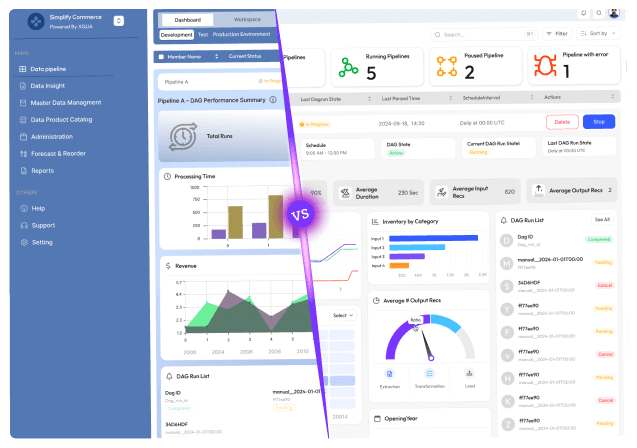
Stuck with slow releases and high IT costs?

▶︎

Launch 2.5x faster with our AI-driven frontend workflows, specialized for SaaS.

▶︎

Cut IT costs by up to 50% and boost user adoption by 2x with our proprietary frameworks.

Stuck with slow releases and high IT costs?

▶︎

Launch 2.5x faster with our AI-driven frontend workflows, specialized for SaaS.

▶︎

Cut IT costs by up to 50% and boost user adoption by 2x with our proprietary frameworks.

Stuck with slow releases and high IT costs?

▶︎

Launch 2.5x faster with our AI-driven frontend workflows, specialized for SaaS.

▶︎

Cut IT costs by up to 50% and boost user adoption by 2x with our proprietary frameworks.

Frequently Asked Questions

We're ready to answer your questions

Slow releases, clunky dashboards, and frustrated users? You've got questions about how to fix them. We have the Frontend-First answers that unlock growth. Let's talk solutions.

The Strangler Fig pattern is a legacy modernization approach where new functionality is built around an existing system and traffic is gradually routed from the old system to the new one. This allows organizations to modernize incrementally while keeping the legacy application running, reducing risk compared to a full rewrite.

Answer

What is the Strangler Fig pattern in legacy modernization?

Question

Containerization is a method of packaging an application so it can run securely and consistently in an isolated environment. According to NIST, containers provide application-level virtualization, which helps modernize legacy applications by making them easier to deploy, manage, and secure across environments.

Answer

How does containerization help with modernizing legacy SaaS applications?

Question

CI/CD (Continuous Integration and Continuous Delivery) enables teams to build, test, and prepare software changes for release in an automated and reliable way. AWS explains that CI/CD helps teams deliver software changes frequently while maintaining quality, making it especially useful during legacy modernization when frequent, low-risk releases are required.

Answer

What role does CI/CD play in legacy system modernization?

Question

Microservices architecture breaks applications into small, independent services that communicate through lightweight APIs. AWS and Microsoft note that this allows each service to be developed, deployed, and scaled independently, unlike monolithic systems where small changes can affect the entire application.

Answer

Why do organizations break monolithic systems into microservices during modernization?

Question

Running systems in parallel—often referred to as Dual Run—allows organizations to test and validate modernized applications alongside legacy systems. Google Cloud explains that this approach helps verify correctness, completeness, and performance before full cutover, significantly reducing migration risk.

Answer

How does running legacy and modern systems in parallel reduce modernization risk?

Question

Frequently Asked Questions

We're ready to answer your questions

Slow releases, clunky dashboards, and frustrated users? You've got questions about how to fix them. We have the Frontend-First answers that unlock growth. Let's talk solutions.

The Strangler Fig pattern is a legacy modernization approach where new functionality is built around an existing system and traffic is gradually routed from the old system to the new one. This allows organizations to modernize incrementally while keeping the legacy application running, reducing risk compared to a full rewrite.

Answer

What is the Strangler Fig pattern in legacy modernization?

Question

Containerization is a method of packaging an application so it can run securely and consistently in an isolated environment. According to NIST, containers provide application-level virtualization, which helps modernize legacy applications by making them easier to deploy, manage, and secure across environments.

Answer

How does containerization help with modernizing legacy SaaS applications?

Question

CI/CD (Continuous Integration and Continuous Delivery) enables teams to build, test, and prepare software changes for release in an automated and reliable way. AWS explains that CI/CD helps teams deliver software changes frequently while maintaining quality, making it especially useful during legacy modernization when frequent, low-risk releases are required.

Answer

What role does CI/CD play in legacy system modernization?

Question

Microservices architecture breaks applications into small, independent services that communicate through lightweight APIs. AWS and Microsoft note that this allows each service to be developed, deployed, and scaled independently, unlike monolithic systems where small changes can affect the entire application.

Answer

Why do organizations break monolithic systems into microservices during modernization?

Question

Running systems in parallel—often referred to as Dual Run—allows organizations to test and validate modernized applications alongside legacy systems. Google Cloud explains that this approach helps verify correctness, completeness, and performance before full cutover, significantly reducing migration risk.

Answer

How does running legacy and modern systems in parallel reduce modernization risk?

Question

Frequently Asked Questions

We're ready to answer your questions

Slow releases, clunky dashboards, and frustrated users? You've got questions about how to fix them. We have the Frontend-First answers that unlock growth. Let's talk solutions.

The Strangler Fig pattern is a legacy modernization approach where new functionality is built around an existing system and traffic is gradually routed from the old system to the new one. This allows organizations to modernize incrementally while keeping the legacy application running, reducing risk compared to a full rewrite.

Answer

What is the Strangler Fig pattern in legacy modernization?

Question

Containerization is a method of packaging an application so it can run securely and consistently in an isolated environment. According to NIST, containers provide application-level virtualization, which helps modernize legacy applications by making them easier to deploy, manage, and secure across environments.

Answer

How does containerization help with modernizing legacy SaaS applications?

Question

CI/CD (Continuous Integration and Continuous Delivery) enables teams to build, test, and prepare software changes for release in an automated and reliable way. AWS explains that CI/CD helps teams deliver software changes frequently while maintaining quality, making it especially useful during legacy modernization when frequent, low-risk releases are required.

Answer

What role does CI/CD play in legacy system modernization?

Question

Microservices architecture breaks applications into small, independent services that communicate through lightweight APIs. AWS and Microsoft note that this allows each service to be developed, deployed, and scaled independently, unlike monolithic systems where small changes can affect the entire application.

Answer

Why do organizations break monolithic systems into microservices during modernization?

Question

Running systems in parallel—often referred to as Dual Run—allows organizations to test and validate modernized applications alongside legacy systems. Google Cloud explains that this approach helps verify correctness, completeness, and performance before full cutover, significantly reducing migration risk.

Answer

How does running legacy and modern systems in parallel reduce modernization risk?

Question

About the author

Author Name:

Parth G

|


Founder of

Hashbyt

I’m the founder of Hashbyt, an AI-first frontend and UI/UX SaaS partner helping 200+ SaaS companies scale faster through intelligent, growth-driven design. My work focuses on building modern frontend systems, design frameworks, and product modernization strategies that boost revenue, improve user adoption, and help SaaS founders turn their UI into a true growth engine.
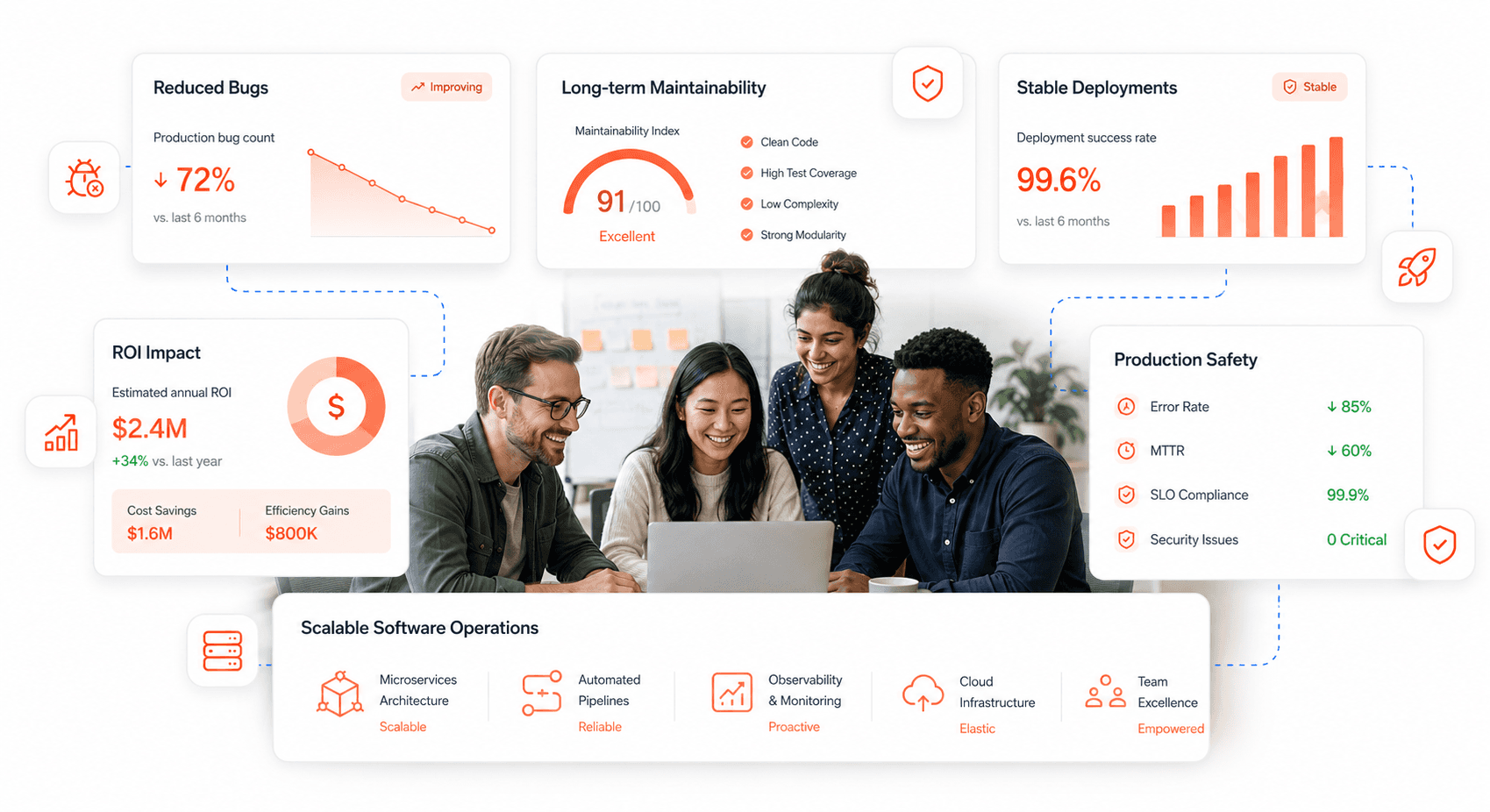
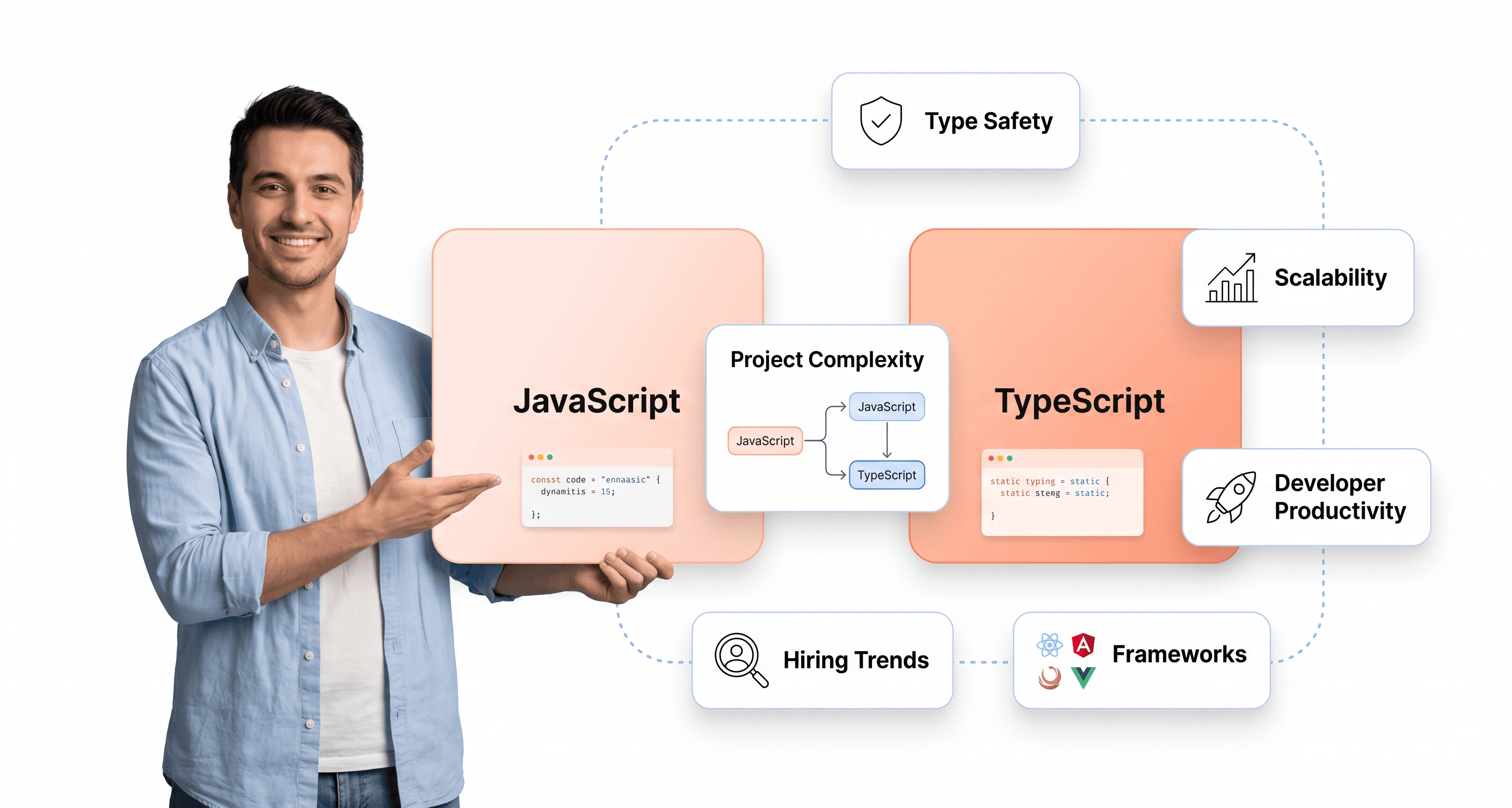
Follow the expert:

Related Blogs

Related Blogs

Is a clunky UI holding back your growth?

Is a clunky UI holding back your growth?

▶︎

Transform slow, frustrating dashboards into intuitive interfaces that ensure effortless user adoption.

▶︎

Transform slow, frustrating dashboards into intuitive interfaces that ensure effortless user adoption.

Is a clunky UI holding back your growth?

Is a clunky UI holding back your growth?

▶︎

Transform slow, frustrating dashboards into intuitive interfaces that ensure effortless user adoption.

▶︎

Transform slow, frustrating dashboards into intuitive interfaces that ensure effortless user adoption.

Is a clunky UI holding back your growth?

Is a clunky UI holding back your growth?

▶︎

Transform slow, frustrating dashboards into intuitive interfaces that ensure effortless user adoption.

▶︎

Transform slow, frustrating dashboards into intuitive interfaces that ensure effortless user adoption.