

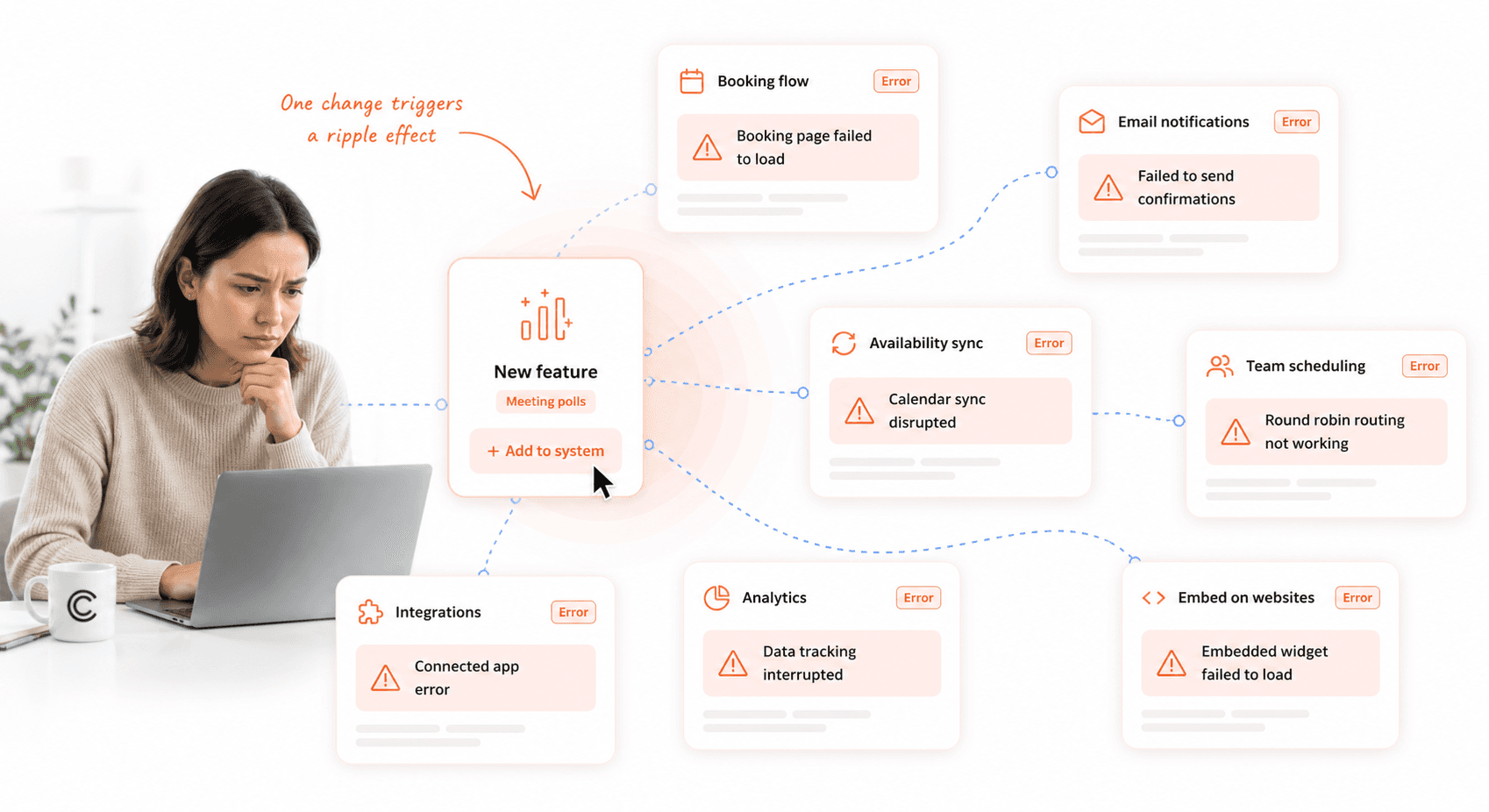
You've been there: you add what seems like a simple feature to your software, and suddenly three existing functions stop working properly. As a software developer, product manager, or startup founder, you've likely experienced this frustrating cycle where feature additions lead to unexpected breakdowns across your application.
Why does adding one feature break three others? The answer lies in the complex web of software dependencies, insufficient regression testing, and the hidden consequences of feature creep. Every new addition creates ripple effects through your codebase that can destabilize previously working functionality.
You'll discover why the psychology behind endless feature addition drives teams to overcomplicate their products, often at the expense of core functionality. We'll explore the technical reasons why new features break existing functionality, including dependency conflicts and inadequate testing practices. Finally, you'll learn how user experience degradation follows a predictable pattern when feature bloat takes hold, and how mastering thoughtful restraint in product development can save your software from this common trap.
The Hidden Cost of Feature Creep in Software Development
How Small Additions Create Major User Experience Problems
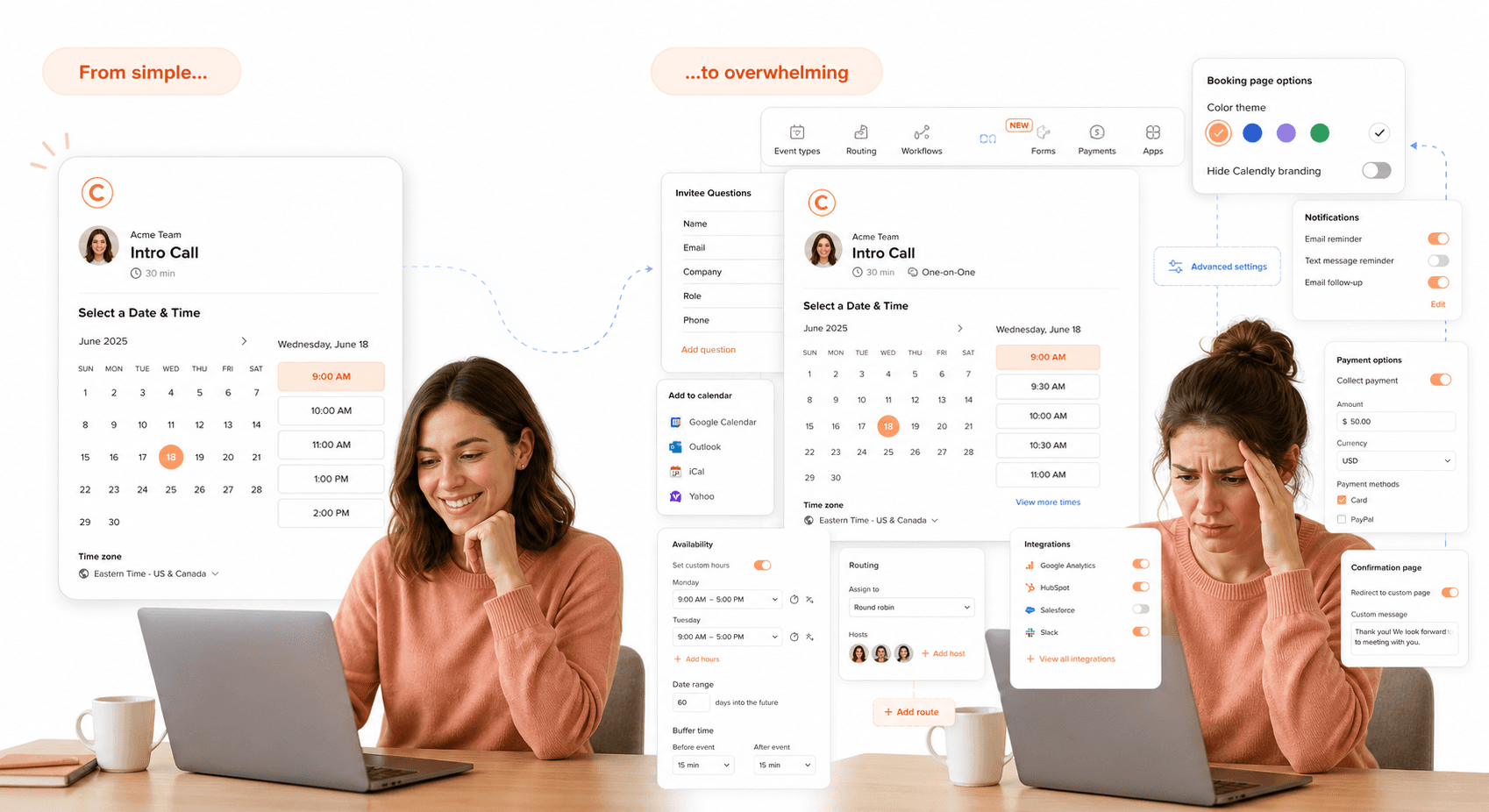
When you add what seems like a simple new feature to your software, you're setting off a chain reaction that can fundamentally transform your user's experience. That innocent new button you've added to streamline one workflow suddenly makes your previously intuitive interface feel cluttered and confusing. Your users, who once navigated your application effortlessly, now find themselves hesitating before every click, second-guessing what was once muscle memory.
You might introduce extra menu options thinking they'll provide more flexibility, but instead, you're creating decision paralysis for your users. What was once a clean, purposeful interface becomes a maze of choices that obscures the core functionality your users originally valued. The feature creep phenomenon demonstrates how your well-intentioned improvements can paradoxically make original tasks feel distant and harder to accomplish.
Consider how an unsolicited tutorial pop-up, designed to help new users, can completely disrupt the workflow of your existing user base. You've just transformed a smooth, familiar experience into something that feels foreign and cumbersome. Your users who mastered your original interface now struggle with unnecessary interruptions that break their concentration and workflow efficiency.
The Cumulative Weight Effect on Application Performance
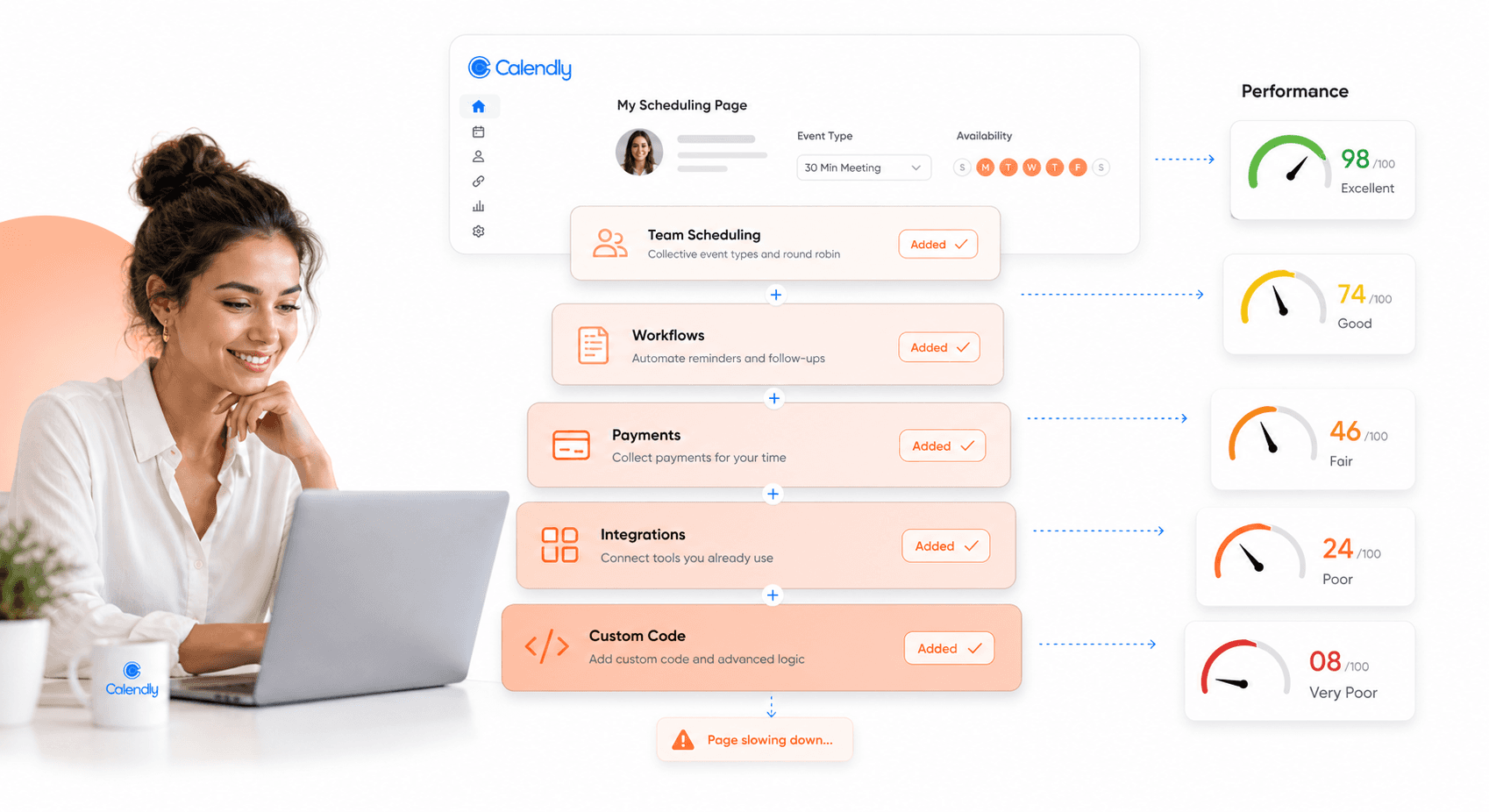
As you continue adding features to your software, you're not just changing individual elements, you're creating what experts call the "cumulative weight effect." Each seemingly harmless addition contributes to an invisible burden that gradually transforms your lightweight, responsive application into something that feels heavy and sluggish.
You begin with a simple tool that users love for its speed and simplicity. However, as you layer on additional features, your application starts to suffer from feature bloat issues that impact both performance and user perception. The cumulative weight of numerous small additions doesn't just slow down your software technically, it fundamentally changes how users perceive and interact with your product.
Your users begin to notice that what once felt quick and responsive now requires more cognitive effort to navigate. They experience software regression testing failures in real-time as new features interfere with existing functionality. The application that once felt like a natural extension of their workflow now demands conscious thought for tasks that should be automatic.
This cumulative effect creates a vicious cycle where each new feature addition makes your software feel less appealing and more cumbersome. Your users start to question whether they need all these capabilities, often longing for the simplicity they once enjoyed.
Why Good Intentions Lead to Software Deterioration
Your desire to improve and enhance your software represents the very best intentions in product development. You genuinely want to help your users, solve their problems, and create more value. However, this drive to continuously "improve" or "fix" your software by adding features can paradoxically lead to its deterioration and ultimate ruin.
When you approach feature addition consequences with the mindset of "more is better," you're unknowingly working against the principles that made your software successful in the first place. Your good intentions blind you to the reality that each addition, no matter how well-designed individually, contributes to the overall complexity that users must navigate.
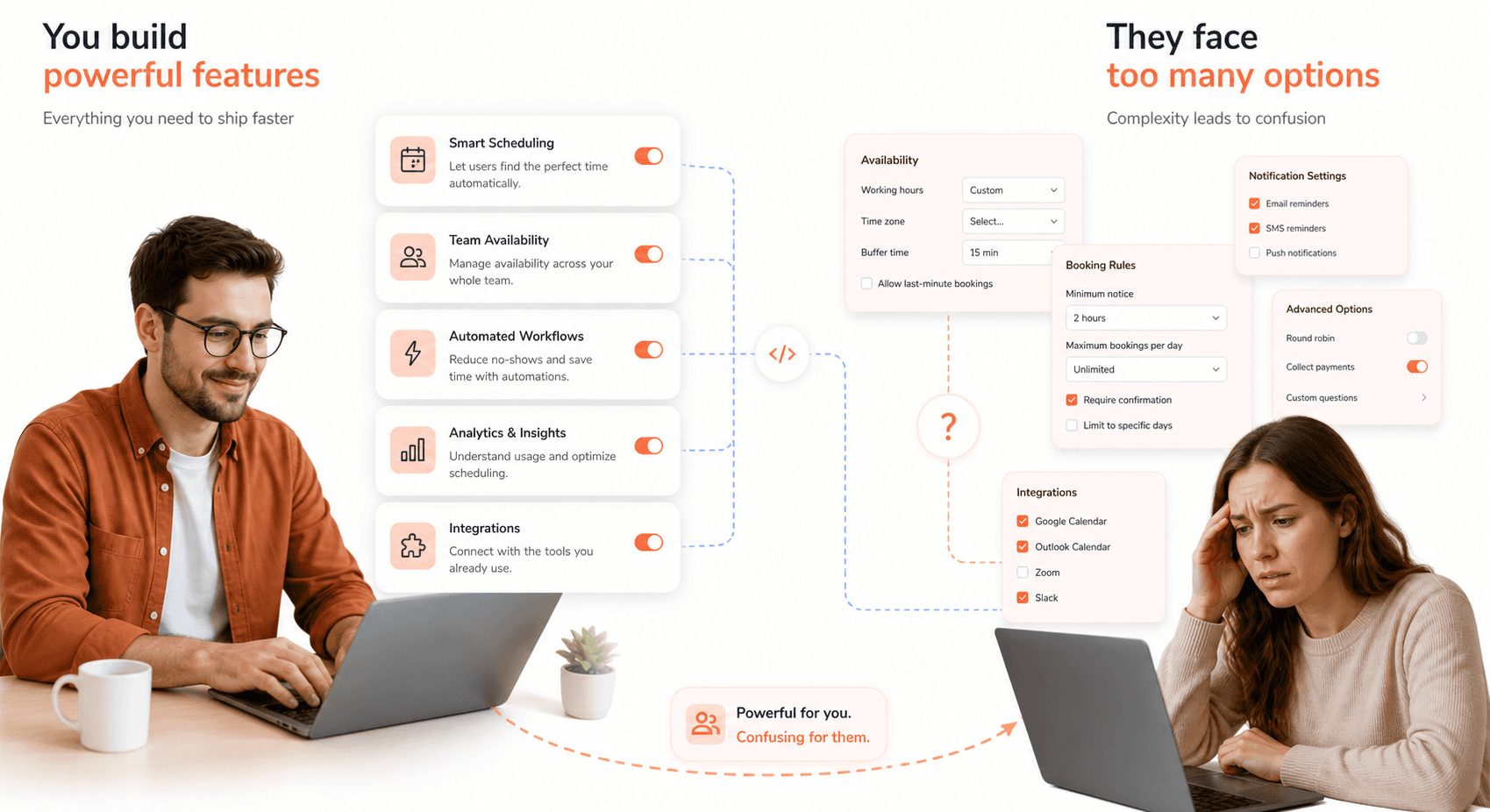
You start believing that every user request deserves a feature response, that every competitive gap requires a new capability, and that every workflow inefficiency needs a specialized tool. This thinking leads you down a path where your software becomes a Swiss Army knife when your users actually needed a simple, sharp blade.
The deterioration happens gradually, making it difficult for you to recognize the pattern. Your development team celebrates each new feature release, but your user satisfaction scores begin to decline. You're experiencing the classic symptoms of technical debt in software development, where short-term feature additions create long-term user experience problems that become increasingly difficult to resolve without fundamental architectural changes.
Understanding the Psychology Behind Endless Feature Addition
The Irresistible Urge to Keep Improving Products
You've likely experienced it yourself - that compelling drive to make your product "just a little bit better" by adding one more feature. This persistent urge represents a fundamental aspect of human psychology that affects software development teams across all industries. When you're deeply invested in your product, the temptation to continuously enhance it becomes almost irresistible.
The psychology behind this behavior stems from your natural desire to create something meaningful and valuable. You see potential improvements everywhere, and each new idea feels like it could be the key to unlocking greater user satisfaction. This "one more thing" mentality becomes a cycle that's difficult to break because every addition feels justified in isolation.
Your development team likely experiences this phenomenon regularly. The excitement of implementing new capabilities can overshadow the careful consideration needed for each addition. When you're passionate about your work, the boundary between necessary improvements and unnecessary additions becomes increasingly blurred.
How Teams Mistake More Features for Better Value
Your team's tendency to equate feature quantity with product quality represents one of the most common misconceptions in software development. This flawed thinking pattern leads you to believe that users will automatically perceive more features as enhanced value, but the reality is far more complex.
When you fall into this trap, you begin measuring your product's worth by counting features rather than evaluating their actual impact on user experience. Your team might celebrate reaching feature milestones without considering whether these additions truly serve your users' needs. This mistake creates a dangerous feedback loop where you continuously add functionality without critically assessing its necessity.
The psychology behind this misconception often relates to your desire to demonstrate productivity and progress. You want to show stakeholders that you're actively improving the product, and new features provide tangible evidence of your team's efforts. However, this approach frequently leads to feature bloat issues that ultimately detract from your product's core value proposition.
Your team may also confuse competitive positioning with user value. When you see competitors launching new features, the pressure to match or exceed their offerings can drive you to add similar functionality without considering whether your users actually want or need these capabilities.
The Disconnect Between Developer Intent and User Needs
The gap between what you intend to achieve as a developer and what your users actually need represents a critical challenge in product development. Your good intentions to improve the user experience can inadvertently create the opposite effect when new features obscure core functionality or introduce elements users didn't request.
This disconnect emerges because you're operating from a different perspective than your users. While you understand the technical capabilities and potential of your software, your users approach the product with specific goals and expectations that may not align with your development vision. When you add features based on your assumptions rather than user feedback, you risk creating software regression testing challenges and user experience degradation.
Your development process might prioritize technical elegance or feature completeness over user simplicity. You may become so focused on what the software can do that you lose sight of what it should do from the user's perspective. This misalignment becomes particularly problematic when your new features require users to navigate additional complexity to access the core functionality they rely on.
The psychological aspect of this disconnect often involves your attachment to creative solutions and innovative features. You might develop features that showcase your technical skills or represent interesting challenges, but these additions can burden users who simply want to accomplish their tasks efficiently. Understanding this gap is essential for implementing thoughtful product restraint and avoiding the cycle where attempts to improve by adding actually break the product's fundamental usability.
Technical Reasons Why New Features Break Existing Functionality
Code Complexity Increases with Every Addition
When you introduce new features into your software, you're essentially adding layers of complexity that compound exponentially rather than linearly. Each feature addition creates new pathways through your codebase, and these pathways inevitably intersect with existing functionality in ways that aren't immediately apparent. Your software's architecture becomes increasingly intricate as you stack new components on top of existing ones, creating a web of dependencies that grows more fragile with each addition.
The problem intensifies because your new features rarely exist in isolation. They require modifications to shared libraries, common utilities, and core system components that your existing features also depend on. When you alter these foundational elements to accommodate new functionality, you're essentially changing the ground upon which your entire application stands. This ripple effect means that what appears to be a simple feature addition can trigger unexpected behavior in seemingly unrelated parts of your system.
Your development team faces the challenge of maintaining backward compatibility while implementing forward-looking features. This dual requirement forces you to write increasingly complex code that must handle both legacy behaviors and new functionality simultaneously. The resulting codebase becomes harder to understand, debug, and maintain, setting the stage for the exact breaking scenarios you're trying to avoid.
Integration Challenges Between Old and New Systems
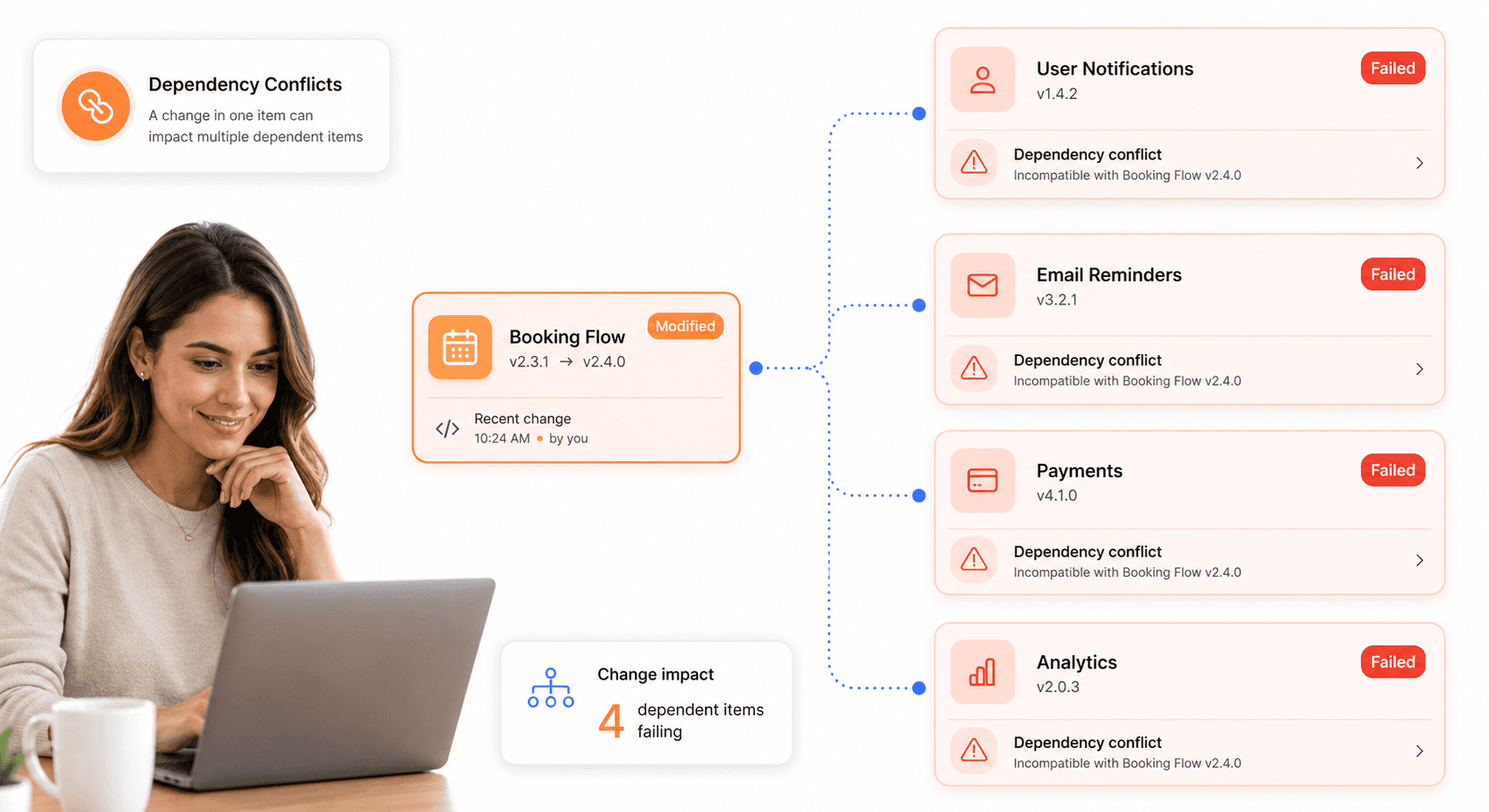
Your existing features frequently break whenever new ones are introduced into the software because integration between old and new systems presents fundamental architectural challenges. When you build new functionality, you're often working with different design patterns, updated frameworks, or newer programming paradigms than what your existing features were built upon. This creates a mismatch that requires careful bridging, and these bridges often become points of failure.
The data flow between your old and new systems becomes particularly problematic when you haven't planned for seamless integration. Your new features may expect different data formats, validation rules, or processing workflows than your existing functionality can provide. When you force these incompatible systems to work together, you create fragile connections that can break when either system is modified or updated.
You'll also encounter versioning conflicts where your new features require updated dependencies or libraries that aren't compatible with what your existing features need. This forces you to make difficult decisions about which features to update, potentially breaking existing functionality in the process. Your software becomes caught between the demands of innovation and the constraints of legacy support.
Testing Limitations When Feature Sets Expand Rapidly
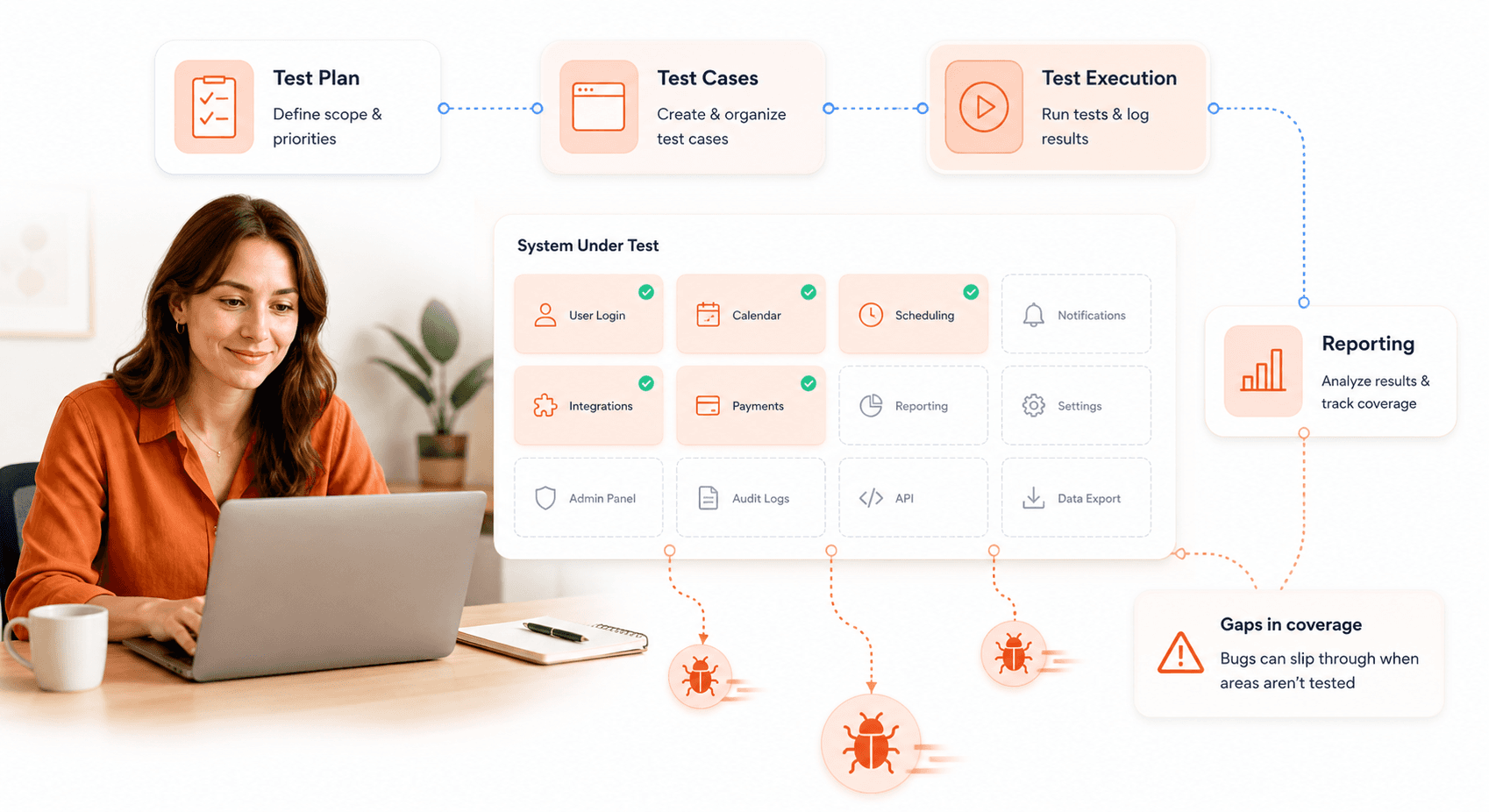
Your testing capabilities become severely strained when you add features rapidly, creating blind spots where software regression testing fails to catch breaking changes. As your feature set expands, the number of possible interactions between features grows exponentially, making comprehensive testing increasingly difficult within reasonable time constraints. You simply cannot test every possible combination of feature interactions with each new release.
Your automated test suites, while helpful, often focus on individual feature functionality rather than cross-feature integration scenarios. This means that when new features break existing functionality, these breakages occur in the untested interaction zones between features. Your testing strategy becomes reactive rather than proactive, catching problems only after they've already impacted users.
The rapid pace of feature addition also means you're often testing new functionality before fully understanding how it integrates with your existing system. You're forced to make assumptions about compatibility that may prove incorrect once the feature is deployed in the full production environment. This creates a cycle where each new feature introduces potential breaking points that won't be discovered until the next feature addition stress-tests those integration points.
Your quality assurance processes struggle to keep pace with development velocity, leading to abbreviated testing cycles that prioritize new feature validation over comprehensive regression testing. This technical debt in software testing compounds over time, making your entire system more vulnerable to feature bloat issues and unexpected failures.
The User Experience Degradation Pattern
From Intuitive Tools to Confusing Interfaces
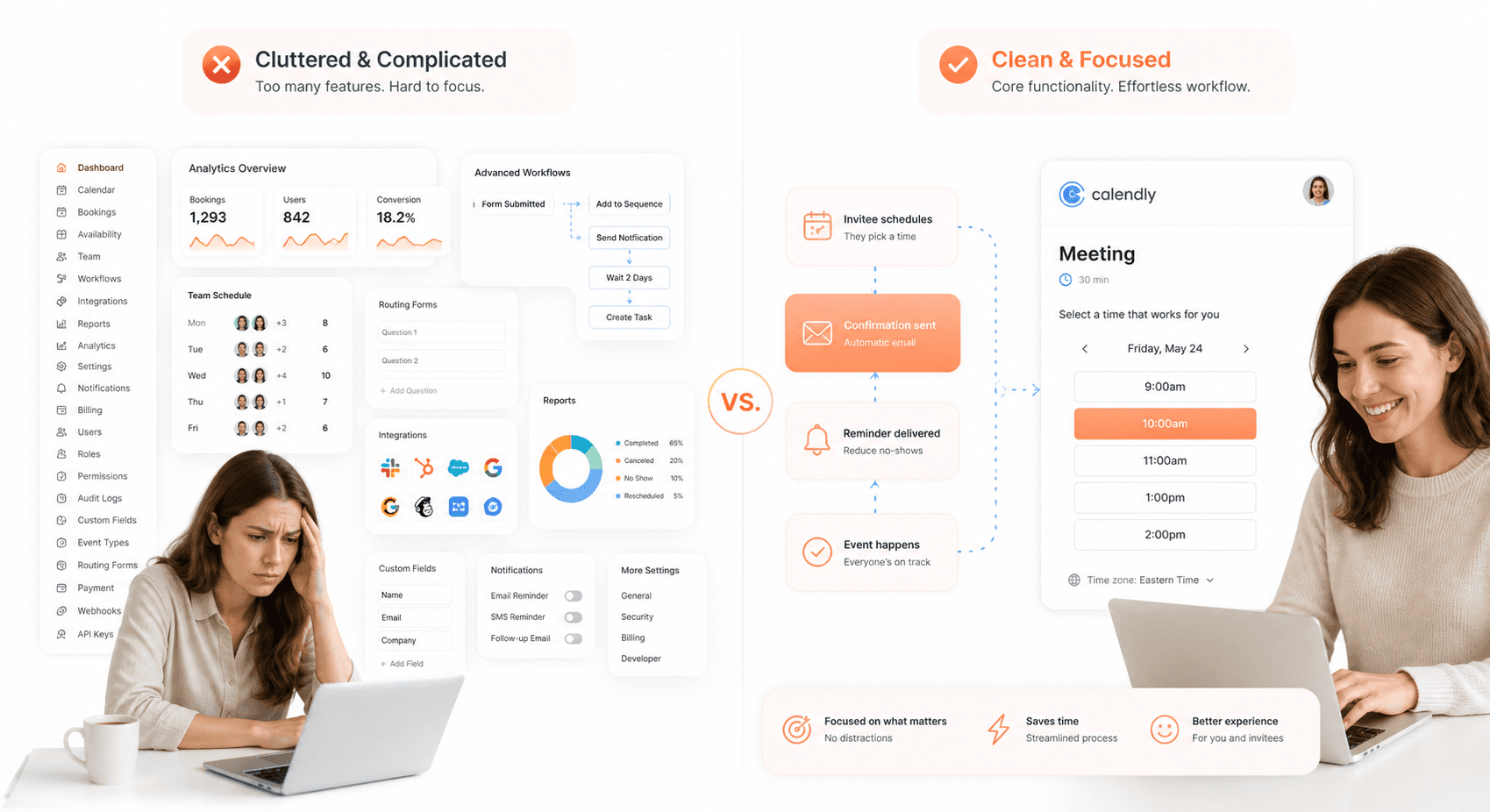
When you first fell in love with your favorite software, it likely felt intuitive and welcoming. Every button had a clear purpose, and you could accomplish your goals without hunting through endless menus. However, as developers continuously add new features, your once-familiar interface transforms into something that feels foreign and overwhelming.
You've probably experienced this firsthand: opening an application after an update only to find yourself staring at a screen cluttered with new buttons, additional menu items, and popup tutorials explaining features you never asked for. The clean, purposeful design that originally drew you to the software becomes buried under layers of feature additions, each competing for your attention and screen real estate.
This transformation doesn't happen overnight, but rather through gradual degradation that makes each interaction slightly more complex than before. You might find yourself spending more time figuring out where familiar functions have moved or how to dismiss new interface elements that obstruct your workflow. The software you once navigated with confidence now requires conscious thought and deliberate searching.
How Feature Bloat Hides Core Functionality
Feature bloat creates what experts describe as a "gentle fog of new choices" that settles over your core tasks. When developers add functionality without considering the cumulative impact on user experience, they inadvertently push your primary objectives further away from immediate access.
You experience this when your most-used functions become buried behind additional steps, secondary menus, or require navigation through new feature announcements. The direct path you once took to complete routine tasks now involves detours around newly introduced elements that may be irrelevant to your specific needs.
This phenomenon affects your productivity in subtle but measurable ways. You might notice that tasks which previously required two clicks now demand four or five interactions. Simple workflows become complex decision trees where you must evaluate multiple options before proceeding with your original intent. The software effectively creates barriers between you and your goals, even when those barriers were designed to provide additional value.
Your intended tasks feel increasingly distant as each update introduces new layers of complexity. Functions that were once prominently displayed become relegated to submenus or hidden behind toggle switches. This gradual burial of core functionality means you spend more time navigating the interface and less time accomplishing meaningful work.
The Emotional Impact of Losing Familiar Software Experiences
The degradation of user experience through feature creep carries significant emotional weight that extends beyond mere inconvenience. When software you've grown comfortable with becomes increasingly difficult to navigate, you experience a sense of loss that can fundamentally alter your relationship with the tool.
You may find that applications you once loved become "a bit harder to love" as familiar interactions give way to confusing new paradigms. This emotional distance develops gradually as each update introduces friction into previously smooth workflows. The software that once felt like an extension of your capabilities now feels like an obstacle requiring patience and adaptation.
This emotional impact manifests in various ways throughout your daily interactions. You might feel frustrated when muscle memory fails because interface elements have moved or changed functionality. The confidence you once had while using the software erodes as you second-guess whether clicking certain buttons will produce expected results or trigger unwanted features.
The accumulation of these small frustrations creates a broader sense of disconnection from tools that were once integral to your productivity. You may find yourself longing for previous versions or seeking alternative solutions that recapture the simplicity you've lost. This emotional toll represents a hidden cost of feature creep that developers rarely consider during the planning phases of new functionality.
Your relationship with software becomes strained when familiar experiences disappear behind walls of new features, transforming beloved tools into sources of daily friction rather than empowerment.
Mastering Thoughtful Restraint in Product Development
Learning to Say No to Feature Requests
You'll find that one of the most challenging aspects of preventing feature creep in software development lies in developing the discipline to reject feature requests that seem appealing on the surface. When stakeholders, users, or even your own team members propose new functionality, your natural instinct might be to accommodate these requests to please everyone involved. However, mastering the art of saying "no" becomes essential for maintaining software quality and preventing the cascade of issues that come with unnecessary additions.
Your approach to evaluating feature requests should involve a rigorous filtering process that considers not just the immediate value of a proposed feature, but its long-term impact on your existing codebase. When you receive a feature request, ask yourself whether it truly serves your core user base or if it's simply a nice-to-have addition that could complicate your software architecture. You need to develop the confidence to push back against requests that don't align with your product's primary objectives, even when the pressure to implement them feels overwhelming.
The key to successful feature rejection lies in your ability to communicate the reasoning behind your decisions clearly. You should be prepared to explain how thoughtful restraint prevents the degradation of existing functionality and maintains the stability that your users rely on. By establishing clear criteria for what constitutes a valuable feature addition versus feature bloat, you create a framework that makes these difficult decisions more objective and less personal.
Prioritizing Core Functionality Over Nice-to-Have Additions
Your success in building sustainable software depends heavily on your ability to distinguish between features that enhance your product's core value proposition and those that merely add superficial appeal. When you focus on strengthening your software's fundamental capabilities rather than expanding its feature set, you create a more robust and reliable user experience that stands the test of time.
You should regularly audit your existing functionality to identify areas where improvements to core features would deliver more value than adding new ones. This approach requires you to resist the temptation of shiny new features and instead invest your development resources in perfecting what already exists. By dedicating time to optimizing performance, improving user interfaces, and fixing underlying technical issues in your core functionality, you build a stronger foundation that can better support future growth when it's truly needed.
Your prioritization strategy should involve creating a clear hierarchy of features based on user impact and business value. When you consistently choose to enhance core functionality over implementing nice-to-have additions, you reduce the complexity of your codebase and minimize the risk of introducing bugs that could affect critical user workflows. This strategic limitation approach helps you avoid the common trap of feature creep while ensuring that every development effort contributes meaningfully to your product's success.
Building Sustainable Software Through Strategic Limitation
Your commitment to strategic limitation represents the foundation of sustainable software development practices that protect your product from the destructive effects of unchecked feature addition. When you embrace thoughtful restraint as a core principle, you create an environment where quality takes precedence over quantity, resulting in software that remains stable and maintainable over time.
You need to recognize that strategic limitation doesn't mean stagnation or lack of innovation – rather, it represents a disciplined approach to growth that considers the long-term health of your software ecosystem. By deliberately choosing what not to build, you preserve the integrity of your existing functionality while maintaining the flexibility to adapt to genuine user needs when they arise. This approach requires you to think beyond immediate user requests and consider the cumulative impact of feature additions on your software's overall architecture.
Your implementation of strategic limitation should include establishing clear boundaries around feature scope and complexity. When you set these boundaries early in your development process, you create guardrails that prevent well-intentioned feature additions from spiraling into feature bloat issues. You should also build regular review processes that evaluate whether existing features continue to serve their intended purpose or if they've become sources of technical debt that compromise your software's performance and reliability.
The mastery of thoughtful restraint ultimately empowers you to build software that grows sustainably without sacrificing the stability and user experience that make your product valuable in the first place.
Conclusion
The cycle of feature creep reveals itself in the gap between intention and impact. Every new button, menu option, and tutorial pop-up represents someone's genuine attempt to improve your experience. Yet these well-meaning additions accumulate like sediment, slowly burying the intuitive tool you once loved under layers of complexity. The hidden cost isn't just broken functionality, it's the erosion of that effortless feeling when software simply works.
The path forward requires embracing a counterintuitive truth: sometimes the best way to improve something is to resist improving it. Thoughtful restraint isn't about limiting innovation; it's about protecting what already works while being intentional about what truly adds value. When you understand the psychology behind endless feature addition and recognize the technical debt it creates, you can make choices that preserve the essence of good software. Your users didn't fall in love with your app because of everything it could do, they fell in love because of how easily it helped them accomplish what they needed to do.




About the author
I’m the founder of Hashbyt, an AI-first frontend and UI/UX SaaS partner helping 200+ SaaS companies scale faster through intelligent, growth-driven design. My work focuses on building modern frontend systems, design frameworks, and product modernization strategies that boost revenue, improve user adoption, and help SaaS founders turn their UI into a true growth engine.
Is a clunky UI holding back your growth?
Is a clunky UI holding back your growth?
▶︎
Transform slow, frustrating dashboards into intuitive interfaces that ensure effortless user adoption.
▶︎
Transform slow, frustrating dashboards into intuitive interfaces that ensure effortless user adoption.
