

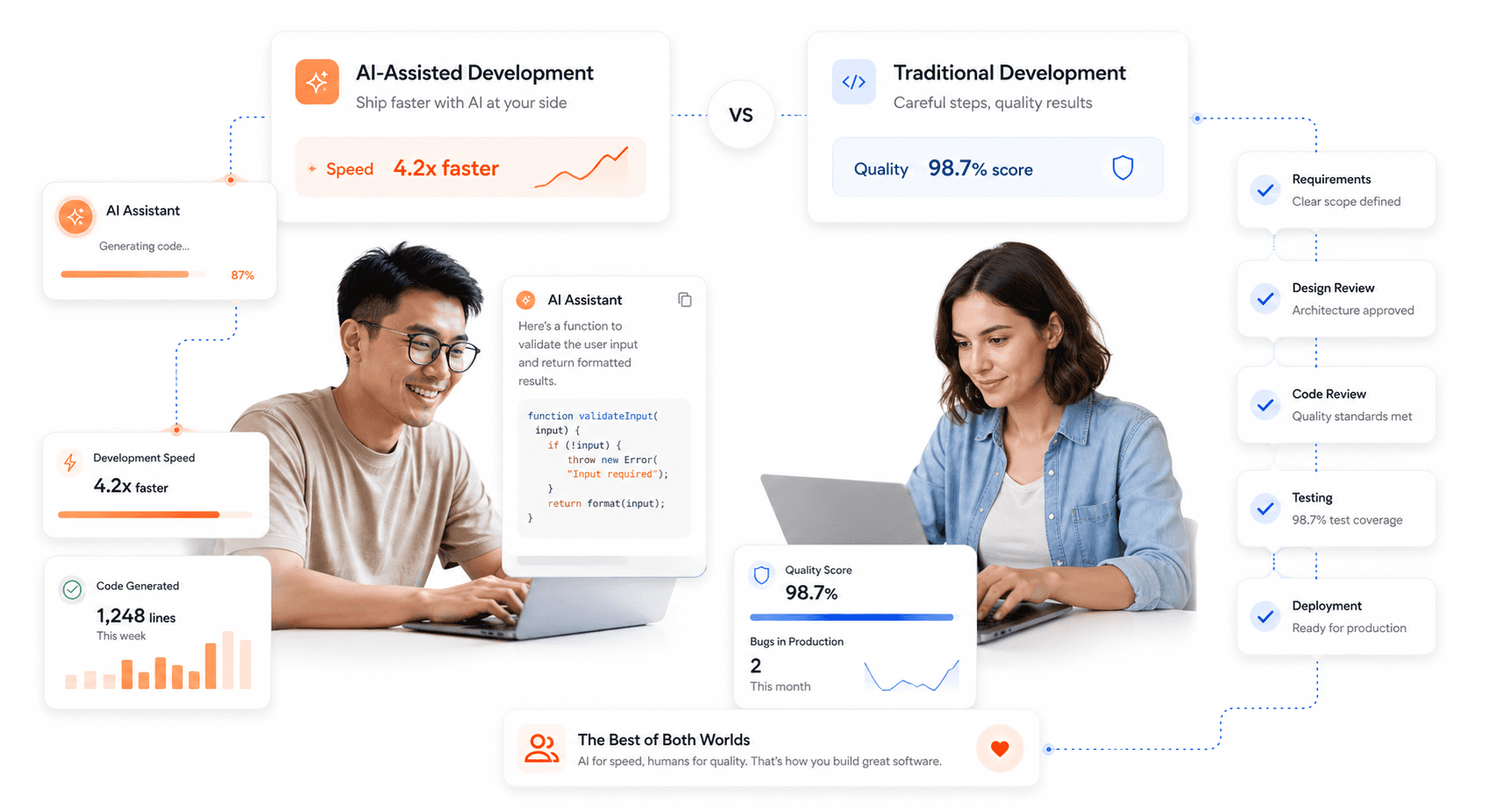
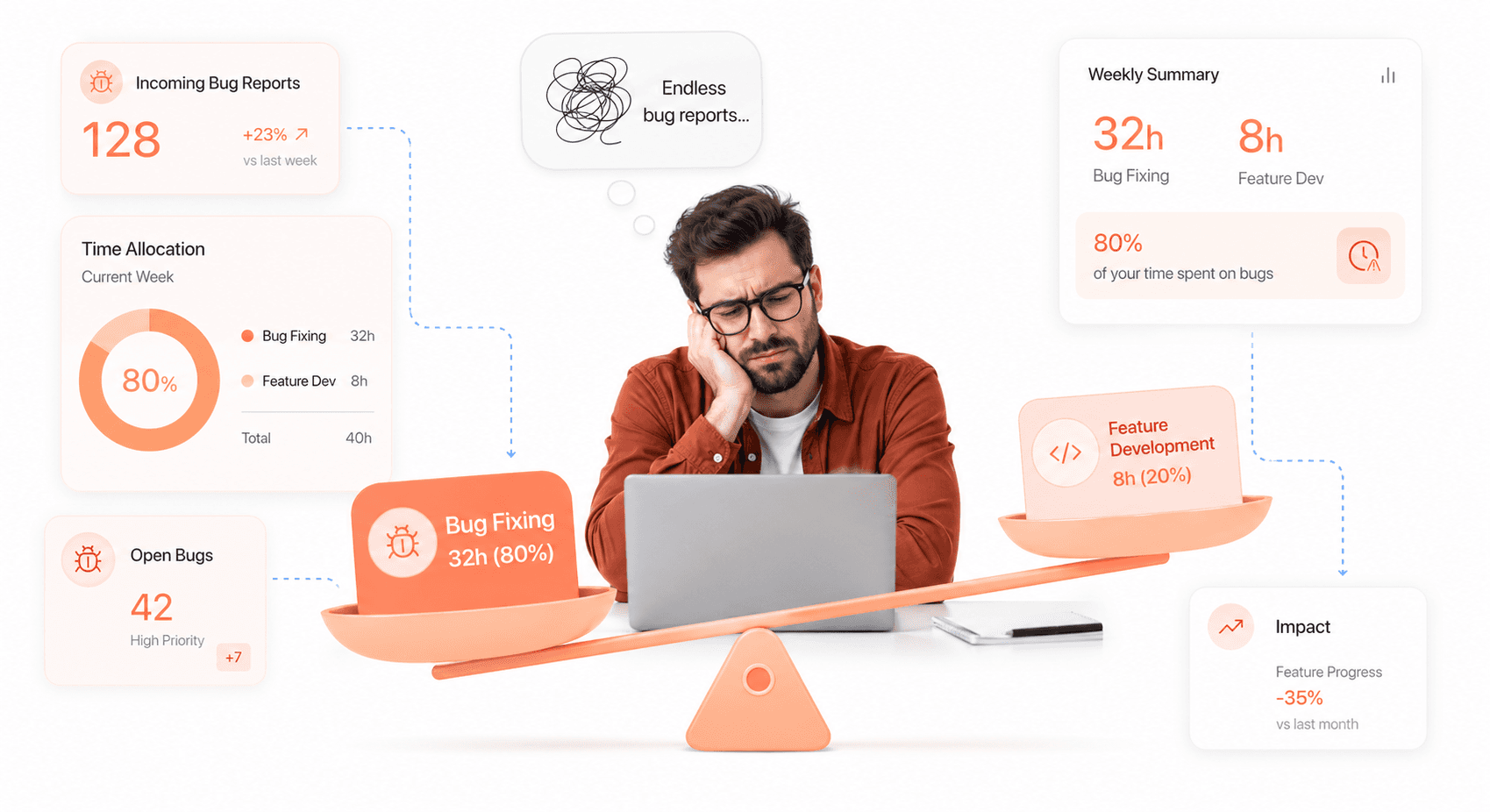
Your development team probably spends most of 2026 fighting fires instead of building the features your business needs. If this sounds familiar, you're not alone – software quality issues 2026 has become a crisis affecting development teams everywhere.
This problem hits engineering managers, CTOs, and team leads who watch their talented developers get stuck in endless bug-fixing cycles while product roadmaps gather dust. The AI-powered development challenges and modern software development problems have created a perfect storm where technical debt management becomes impossible.
We'll explore why the developer productivity crisis is getting worse despite all our new tools and frameworks. You'll discover how AI impact on developers is actually increasing bug fixing vs feature development time, and why traditional software engineering quality decline continues even with better testing tools.
Finally, we'll cover proven strategies to break this cycle and optimize your software development strategy 2026, so your team can get back to building instead of constantly patching.
The Rise of AI-Powered Development and What It Means for Developers
How Large Language Models Are Writing Entire Features Across Multiple Files
Your development workflow has fundamentally changed with the emergence of advanced Large Language Models like Claude Opus 4.5 and GPT 5.2. These AI systems are now capable of writing entire features across 40 files in a single execution, transforming what you once thought possible in software development. You're witnessing AI-powered development challenges that extend far beyond simple code completion or basic scripting assistance.
Consider this real-world example: a developer used a single prompt on a 500,000-line codebase to add a complete feature, including unit and Cypress tests. The AI agent worked autonomously, re-running tests until they passed without any human intervention. This level of automation represents a seismic shift in how you approach feature development and highlights emerging software development problems that traditional methodologies weren't designed to handle.
The Shift from Hand-Coding to Context Engineering
Your role as a developer is evolving from writing code line-by-line to mastering "context engineering" - the new essential skill for modern software development strategy 2026. Instead of focusing on syntax and implementation details, you're now responsible for crafting comprehensive documentation, requirements, and definitions that guide AI agents toward clean code, architecture, security patterns, and testing strategies.
This shift means you'll spend your time providing agents with detailed build specifications and comprehensive documentation. Once equipped with proper context, these AI agents work autonomously for hours or even days, eventually returning fully implemented, tested, and merge-ready features. Your expertise becomes crucial in defining the parameters and quality standards that ensure the AI generates production-ready code that meets your project's specific requirements.
Real Examples of AI Generating 95% of Production Code
The scale of AI impact on developers becomes clear when you examine specific project outcomes. A 2D multiplayer game project achieved remarkable results with 95% of its actual game logic - not just basic scaffolding or boilerplate code - generated entirely by AI. This demonstrates how AI-powered development is addressing core functionality rather than peripheral tasks.
Another compelling example involves a project called "Automaker," which generated 100,000 lines of high-quality code in just one month using agentic coding approaches. This project's success underscores the critical importance of providing good context to achieve optimal results. You're seeing tools like Gas Town emerge that utilize sophisticated agent networks, where agents initiate tasks for other agents, build multiple work trees, and auto-merge code without requiring human intervention at each step.
These examples reveal that you're not just dealing with improved productivity tools - you're witnessing a fundamental transformation in software engineering quality and developer productivity that will define your career trajectory in the coming years.
What makes this shift so important is that AI is no longer limited to generating isolated snippets or helper functions. It can now understand repositories, trace dependencies, suggest refactors, and produce production-ready changes across multiple layers of an application. That means your competitive edge increasingly comes from how well you define requirements, structure systems, and review outputs rather than how fast you type code manually.
For modern teams, success now depends on combining AI speed with human judgment. The developers who adapt fastest are the ones treating AI as a multiplier instead of a replacement. They use it to remove repetitive work, shorten release cycles, and spend more time on architecture, performance, customer needs, and long-term product thinking.
The Changing Role of Developers in an AI-First World
Why Manual Code Writing Is Becoming Obsolete
Your days of manually typing out CSS padding or writing CRUD endpoints are numbered. Hand-written code is becoming obsolete, with 2026 projected as the year this shift becomes widely apparent across the software development industry. The writing is already on the wall—these manual coding tasks have become slow and inefficient compared to AI-driven methods that can generate the same output in seconds.
You're witnessing the commoditization of code itself. What once required hours of careful crafting has become cheap, easy, and fast to produce through AI tools. This transformation is particularly evident in front-end engineering, where your specialized role might slowly vanish as UI components, accessibility fixes, and responsive design can now be generated by LLMs from simple prompts, screenshots, or even Lighthouse reports.
The shift impacts your daily workflow in ways you might not have anticipated. Tasks that defined your expertise perfecting responsive layouts, optimizing CSS animations, or building complex form validations are now achievable through natural language descriptions to AI systems.
Essential Skills for the New Developer: Project Management and Communication
Now that we've established how traditional coding skills are diminishing in value, your focus needs to shift toward skills that AI cannot replicate. The valuable skills for the new developer include project management, communication, and marketing capabilities that require human insight, empathy, and strategic thinking.
Your ability to communicate effectively with stakeholders, understand business requirements, and translate complex technical concepts into actionable plans becomes your competitive advantage. These soft skills determine whether your AI-assisted projects succeed or fail. You're no longer just writing code; you're orchestrating entire development ecosystems where AI agents handle the implementation while you guide the vision and strategy.
Project management skills become crucial as you learn to coordinate between AI tools, human team members, and business objectives. Your role evolves into something resembling a conductor, ensuring all pieces work harmoniously together while maintaining quality standards and meeting deadlines.
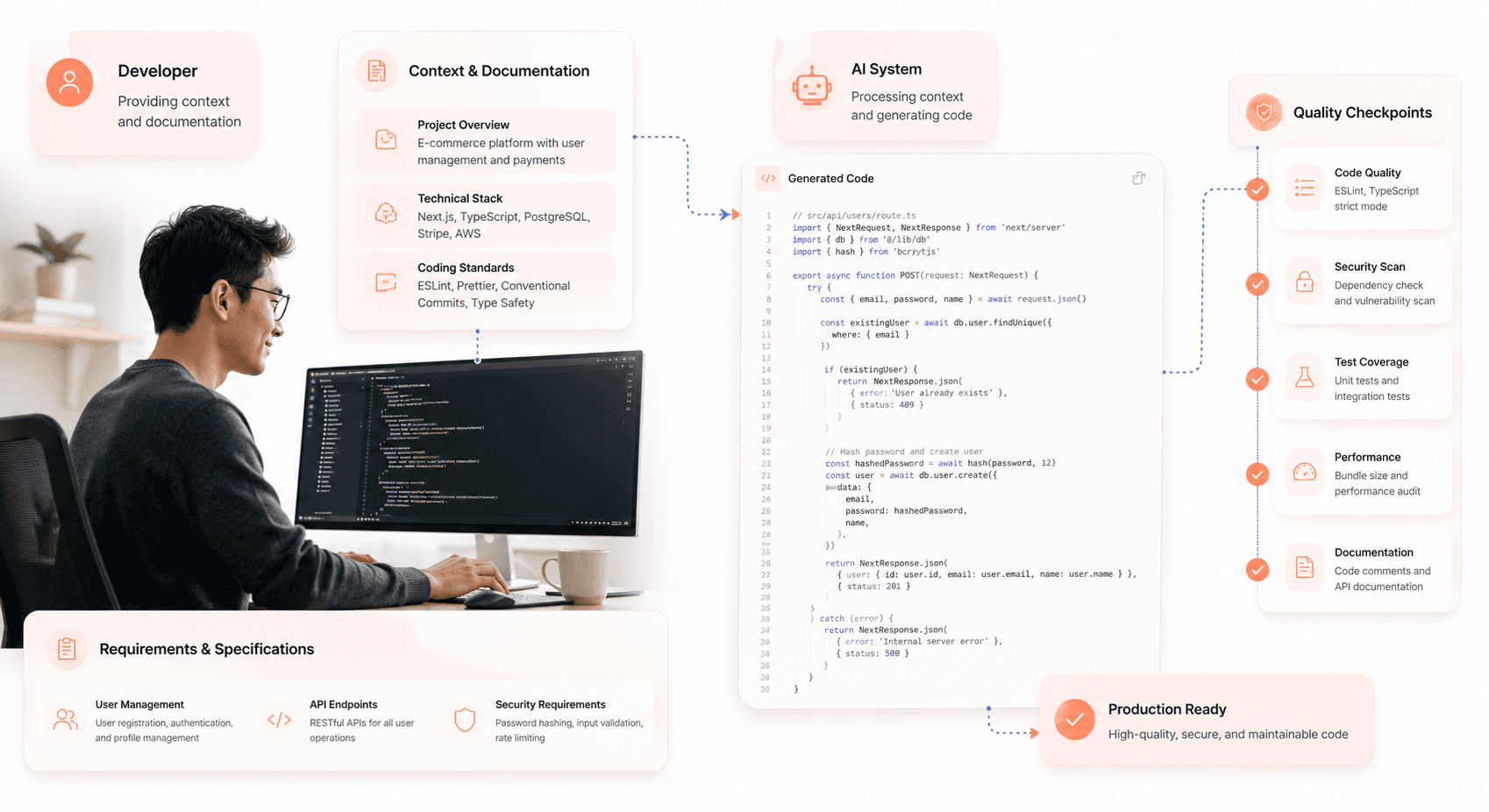
How Interview Processes Are Evolving Beyond Traditional Coding Tests
With this transformation in mind, you'll notice that interview processes are evolving dramatically. Some companies no longer ask traditional LeetCode questions, recognizing that algorithmic problem-solving doesn't reflect the modern developer's daily responsibilities. Instead, they're focusing on your ability to effectively use AI tools and direct automated systems.
Your interview preparation now includes questions like "Can you use Claude Code effectively?" or "Can you direct an agent to code?" These assessments evaluate your capacity to leverage AI tools productively rather than your ability to implement sorting algorithms from memory.
This shift reflects a broader recognition that small teams sometimes just one or two people are now capable of building massive SaaS products by leveraging AI agents for bug fixes, feature builds, and automated testing. Your value lies not in your raw coding speed, but in your ability to architect solutions, manage AI-assisted development workflows, and ensure quality outcomes through strategic oversight and technical leadership.
This evolution creates a new type of high-value developer. Companies increasingly need professionals who can connect business goals with technical execution, prioritize the right roadmap decisions, and ensure AI-generated output aligns with security, scalability, and customer expectations. Coding still matters, but strategic decision-making matters more.
Developers who build communication, leadership, and product-thinking skills will stand out in this environment. The future belongs to engineers who can guide systems, collaborate across departments, and solve business problems efficiently using both human expertise and AI capabilities.
The Current Crisis in Software Quality and Its Root Causes
Widespread Bug Epidemics in Major Applications and Platforms
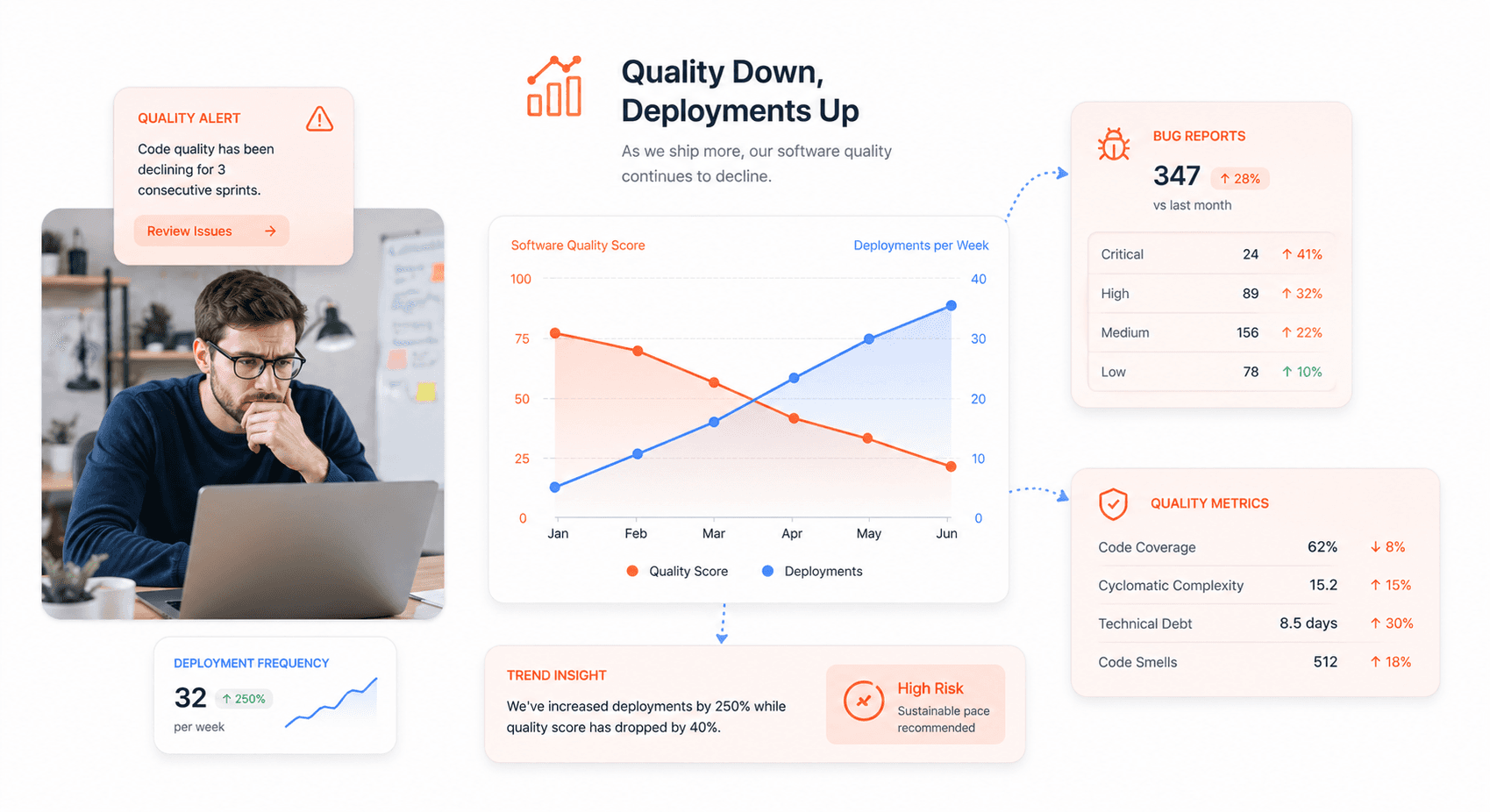
You've likely experienced firsthand the frustrating decline in software quality across various applications over the past two years. This isn't just your imagination - there's a genuine epidemic of bugs plaguing major platforms, websites, single-page applications (SPAs), custom software, and mobile apps that you rely on daily.
Take, for example, a major streaming company's iPhone app where you encounter a persistent bug every time you tap the "play next episode" button. Instead of seamlessly continuing your viewing experience, you're greeted with a black screen - a failure of an integral function that occurs without exception. This isn't an isolated incident but represents a broader pattern affecting the software quality issues 2026 has brought to the forefront.
You're witnessing this decline across multiple categories of applications you use regularly. Whether you're navigating corporate websites, using productivity tools, or engaging with entertainment platforms, the frequency of bugs, crashes, and broken functionality has increased dramatically. These aren't minor inconveniences - they're fundamental failures in core features that directly impact your ability to complete basic tasks.
Many teams mistake rapid shipping for real progress. Releasing features quickly may look productive on dashboards, but if users constantly face broken flows, crashes, and poor performance, that velocity becomes expensive rework. Every preventable bug steals engineering hours that could have gone toward innovation or customer growth.
The deeper issue is often weak ownership. When nobody feels accountable for long-term code quality, short-term deadlines win every time. Sustainable engineering cultures reward maintainability, clear standards, and thoughtful releases not just how many tickets were closed this sprint.
The Protestant Work Ethic Problem: Speed Over Quality
Your development teams are caught in a relentless cycle driven by the "Protestant Work Ethic" mentality that dominates software companies today. This philosophy emphasizes that "time is money" and pushes for maximizing output in the shortest possible timeframe, creating immense pressure on your developers to prioritize speed over craftsmanship.
Under this system, your developers find themselves rushing to pass unit and integration tests rather than focusing on meticulous code quality. They're incentivized to push code to production rapidly, often without the thorough care and attention that every line of code deserves. This approach treats software development as a factory assembly line rather than the complex, nuanced craft it actually is.
You're seeing the consequences of this rushed approach in your applications' performance and reliability. When your teams prioritize meeting deadlines over ensuring robust, well-tested code, you inevitably face the technical debt management challenges that plague modern software development problems. The pressure to deliver features quickly means that potential issues get pushed to production, where they become your users' problems rather than being caught and resolved during development.
Loss of the Hacker Mentality and Passion for Craftsmanship
You're dealing with a fundamental shift in the developer mindset that's contributing to declining software quality. The original "hacker mentality" - characterized by genuine passion for craftsmanship, continuous learning, playful curiosity, and constant improvement - has largely disappeared from your development teams.
Many individuals entering computer science today are primarily motivated by financial incentives rather than intrinsic passion for the craft. While there's nothing inherently wrong with seeking good compensation, this shift means you're working with developers who may lack the deep curiosity and dedication to excellence that historically drove innovation and quality in software development.
This change in motivation directly impacts your code quality and long-term project success. When your developers don't possess that innate drive to understand systems deeply, experiment with new approaches, or take pride in elegant solutions, you lose the attention to detail that prevents bugs and creates robust applications. The playful curiosity that once led developers to explore edge cases and potential failure points has been replaced by a more transactional approach to coding, where the goal is simply to complete assigned tasks rather than to truly understand and improve the systems they're building.
How Modern Development Practices Are Failing Quality Standards
The Problems with Continuous Deployment and Multiple Daily Releases
When your organization pushes to production multiple times a day, you're creating an impossible testing scenario. This aggressive deployment schedule makes it fundamentally impossible for your team to test every single test case or edge case adequately. While this approach may seem efficient on the surface, it's creating significant software quality issues that inevitably lead your developers into endless bug-fixing cycles.
The reality is that speed without proper testing creates more work downstream. Your automated unit and integration tests, despite their value, cannot catch every critical issue that emerges in real-world usage. The lack of human involvement in your testing loop means that nuanced problems, edge cases, and user experience issues consistently slip through your deployment pipeline.
Why Agile Implementation Has Gone Wrong in Most Organizations
You might be surprised to learn that even the original creators of Agile have acknowledged significant issues with its implementation across most companies. This recognition was so substantial that they subsequently released Agile 2, addressing the widespread problems in how organizations interpret and execute Agile methodologies.
Your organization likely falls into the common trap of bloating Agile ceremonies, causing significant deviation from the original intent. Many companies have abandoned strict Agile approaches in favor of more Kanban-style methodologies due to these implementation failures. Consider this example: if your project involves over 20 people conducting stand-ups three days a week, lasting at least an hour, you've far exceeded Agile's recommended 5-7 people and 15-minute maximum timeframe.
These ceremony bloat issues transform what should be efficient communication tools into time-consuming bureaucratic exercises that actually hinder your development team's productivity.
Modern frameworks and methodologies are not the real problem—misuse is. Agile, CI/CD, and automation can create outstanding engineering organizations when applied with discipline. Problems begin when rituals replace outcomes and speed becomes more important than stability.
Strong teams treat process as a tool, not a religion. They simplify meetings, automate intelligently, measure customer impact, and create space for focused engineering work. The goal should always be better products, not busier calendars.
The Critical Shortage of Human Testing and Quality Assurance
Your current development practices likely suffer from a critical reduction in human testing involvement. While past software development methodologies may have been slower and occasionally over-budget, they resulted in fewer bugs because engineers took more time to "get things right." The consistent presence of human testing in these traditional approaches created a quality safety net that modern development often lacks.
This human element in quality assurance cannot be replaced entirely by automation. Your QA professionals bring contextual understanding, user empathy, and real-world scenario testing that automated systems simply cannot replicate. The reduction or elimination of dedicated human testing resources in favor of speed is creating the technical debt management challenges that keep your developers perpetually fixing issues rather than building new features.
The Human Cost of Industry Changes and Corporate Decisions
Mass Layoffs and Hiring Freezes Creating Knowledge Gaps
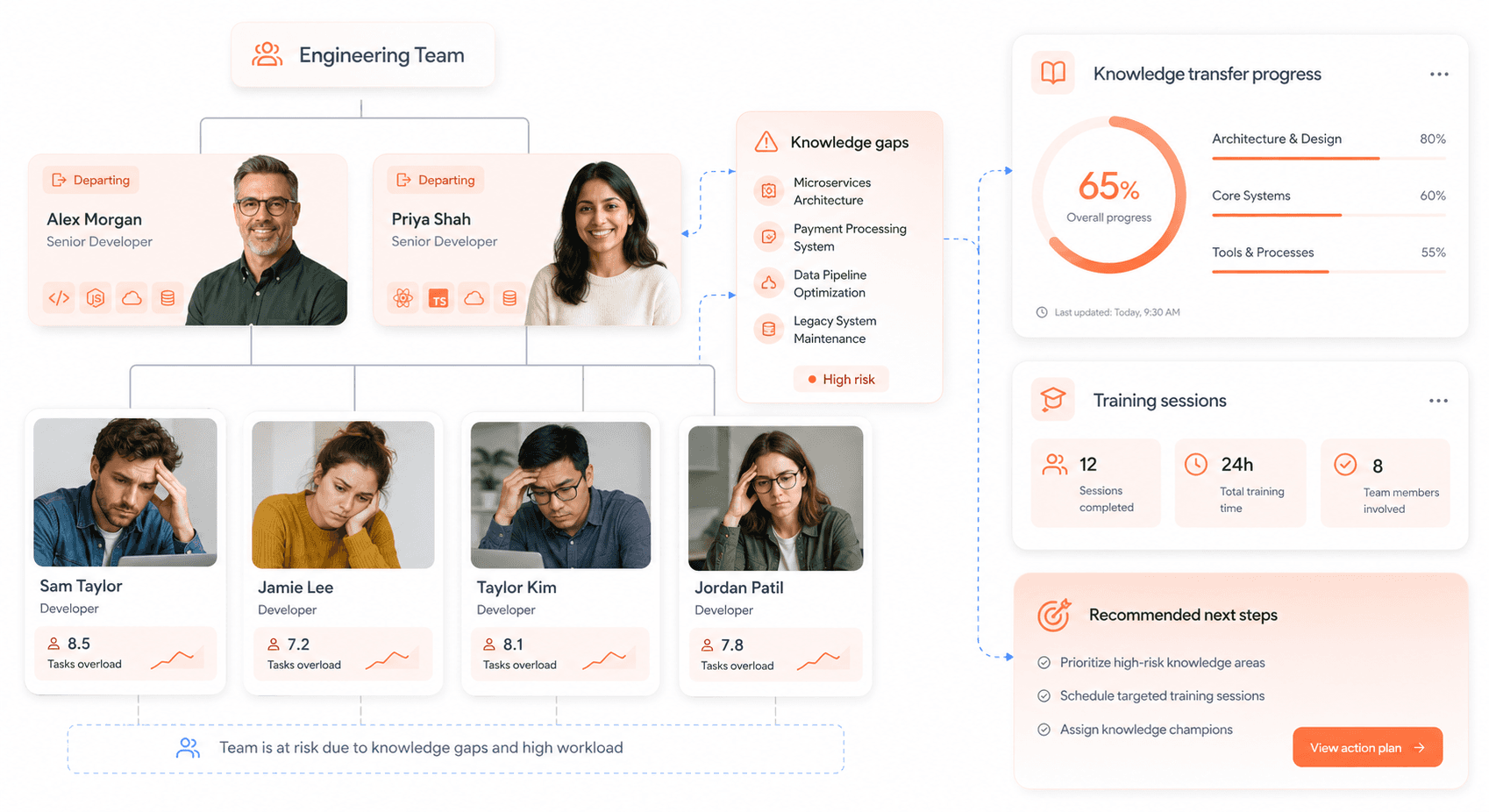
Your development teams are facing an unprecedented crisis that's quietly undermining your software quality initiatives. The software industry's trend of mass layoffs and hiring freezes is creating significant knowledge gaps within companies, leaving you with skeleton crews trying to maintain complex systems they may not fully understand.
When you lose experienced developers through layoffs, you're not just losing headcount – you're losing institutional knowledge, domain expertise, and the deep understanding of legacy systems that takes years to develop. These knowledge gaps become critical vulnerabilities in your development process, forcing your remaining team members to spend countless hours reverse-engineering decisions and debugging issues that previous team members could have resolved in minutes.
The hiring freezes compound this problem by preventing you from backfilling these crucial positions, leaving your teams perpetually understaffed and overwhelmed. You're essentially asking fewer people to do more work while simultaneously dealing with the knowledge deficit created by departures.
Overloaded Senior Developers Leaving the Industry
Your senior developers are bearing the brunt of these industry changes, and the results are devastating for software quality issues 2026. Senior developers are becoming overloaded due to the lack of junior developers to handle routine tasks and support functions. What you're witnessing is a perfect storm where your most experienced team members are drowning in responsibilities that extend far beyond their core expertise.
These seasoned professionals, who should be focusing on architecture decisions and complex problem-solving, are instead spending their time on basic maintenance, documentation, and tasks that junior developers traditionally handled. The constant pressure and overwhelming workload are pushing many of these valuable team members toward burnout and, ultimately, out of the industry entirely.
When your senior developers leave, you lose not just their technical skills, but also their mentorship capabilities, their ability to maintain code quality standards, and their institutional knowledge about why certain decisions were made. This exodus creates a cascading effect that further deteriorates your team's ability to deliver quality software.
The Disappearance of Junior Developer Training Programs
The questioning of junior developer necessity by major AI investors is fundamentally reshaping your talent pipeline in ways that will haunt your organization for years to come. With senior engineers eventually retiring, a critical question arises regarding who will replace them, especially if the need for junior developers is being questioned by industry leaders.
Your company is likely experiencing the downstream effects of this shift as training programs disappear and entry-level positions become increasingly rare. Without junior developers in the pipeline, you're creating a future scenario where experienced developers simply don't exist to replace those who retire or leave the industry.
This short-sighted approach ignores the reality that senior developers weren't born with their expertise – they developed it through years of hands-on experience, mentorship, and gradual skill building. By eliminating these training opportunities, you're setting up your organization for a technical debt management crisis where institutional knowledge disappears faster than it can be replaced.
The absence of junior developers also means your senior team members have no one to delegate routine tasks to, forcing them to handle everything from complex architectural decisions to basic bug fixes. This inefficient use of senior talent contributes directly to the developer productivity crisis that's plaguing the industry in 2026.
When organizations cut too deeply, the damage often appears months later. Delivery slows, outages increase, onboarding weakens, and remaining employees lose morale under constant pressure. What looks efficient in spreadsheets can become costly in execution.
Healthy engineering organizations treat talent pipelines as long-term assets. Investing in junior hiring, mentorship, documentation, and leadership development creates resilience. Teams built only for short-term efficiency often struggle when complexity rises or key people leave.
Adapting Your Development Strategy for Long-Term Success
Learning to Work Effectively with AI Coding Assistants
Now that we've explored the challenges facing modern development teams, you need to fundamentally shift how you approach software development in 2026. The key to overcoming software quality issues lies in learning to work effectively with AI coding assistants like Claude Code. You should start experimenting with these tools immediately, as they represent the future of development productivity.
Your first step should be integrating autonomous agents into your workflow. These AI-powered development challenges require a new mindset where you're no longer just a code writer, but a strategic director of AI capabilities. You must begin using these tools not as occasional helpers, but as primary development partners that can significantly impact your team's output quality.
Developing Skills in Architecture and Code Direction Rather Than Implementation
Previously, developers focused primarily on implementation details and typing code. However, your essential skill set must now shift dramatically toward architecting, directing, and critically assessing AI-generated code. This represents one of the most significant changes in modern software development strategy for 2026.
You should start writing context files instead of directly writing code files. This fundamental change in approach means your role transforms from a code implementer to a strategic architect who provides clear direction and specifications for AI systems to follow. Your value lies in your ability to design robust software architectures and provide meaningful guidance rather than manual code production.
The critical assessment of AI-generated code becomes paramount to maintaining software engineering quality. You must develop expertise in reviewing, validating, and refining AI outputs to ensure they meet your quality standards and architectural vision.
Building Teams That Balance Automation with Human Oversight
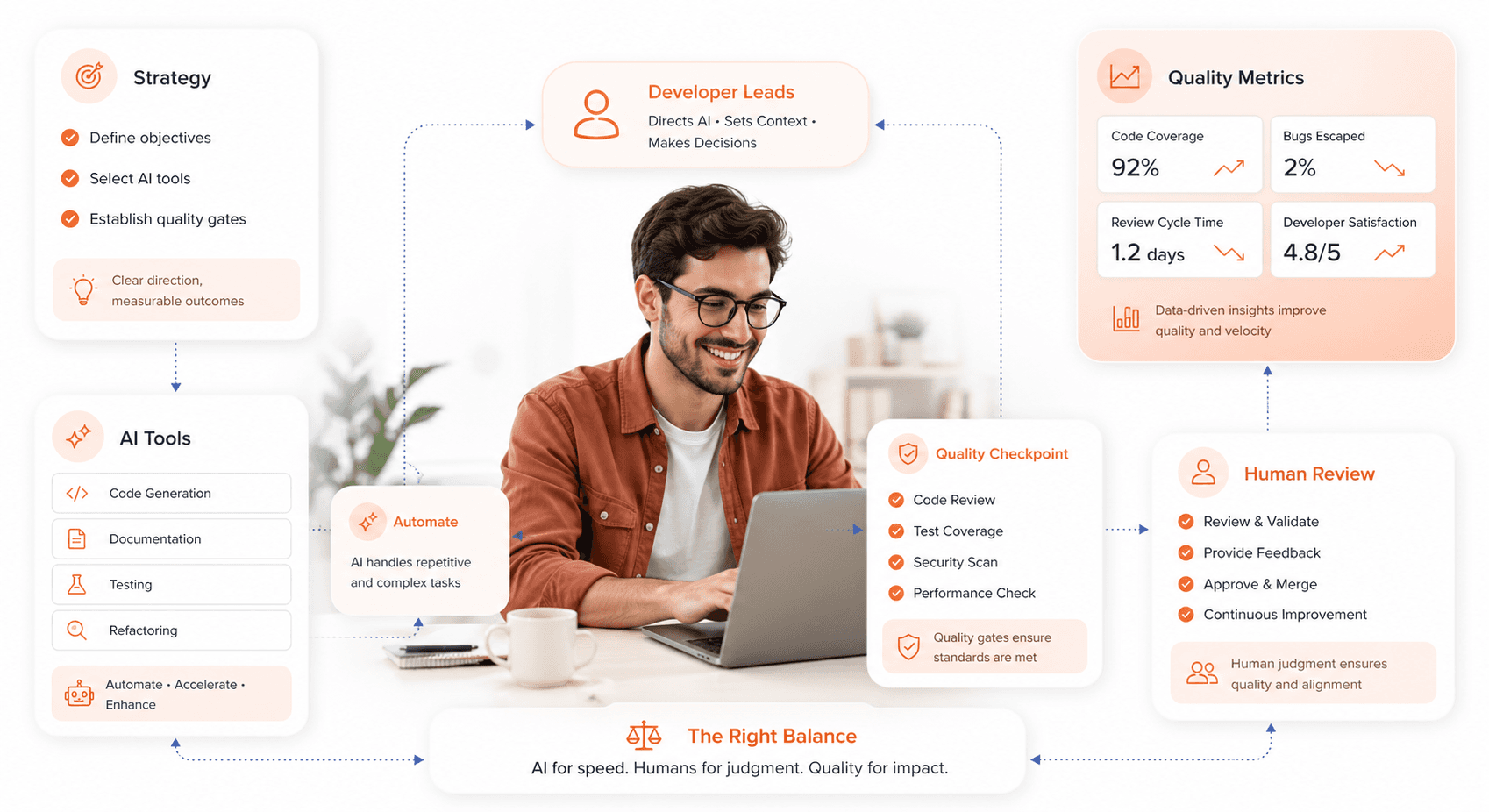
With this transformation in mind, you need to restructure your development teams to maximize both automation benefits and human oversight. Your team efficiency depends on finding the optimal balance between AI automation and strategic human intervention.
You should position your developers as quality gatekeepers who can leverage AI for rapid development while maintaining rigorous standards for technical debt management. This approach addresses the developer productivity crisis by allowing your team to focus on high-value architectural decisions while AI handles routine implementation tasks.
Your development team strategy should emphasize training team members in AI direction and code assessment rather than traditional coding skills alone. This shift enables you to tackle bug fixing vs feature development challenges more effectively, as AI can handle routine maintenance while your human developers focus on strategic feature architecture and quality assurance.
The smartest strategy is not full automation or full manual development, it is intelligent collaboration between both. Use AI for repetitive execution, scaffolding, testing support, and documentation, while humans focus on product direction, architecture, trust, and critical decisions. That balance creates speed without sacrificing quality.
Organizations that win over the next few years will continuously upskill their teams instead of resisting change. Training developers to review AI output, write better specifications, and think strategically will create stronger teams than simply buying new tools and hoping for better results.
Conclusion
The writing is on the wall: if your developers are still spending most of their time fixing bugs instead of building features in 2026, you're falling behind. The shift toward AI-powered development isn't just changing how code gets written, it's fundamentally altering what it means to be a developer. While some resist this transformation, clinging to the belief that "real programmers write code by hand," the reality is that your competitors are already leveraging autonomous agents to build, test, and deploy features at unprecedented speed.
Your development strategy needs to evolve beyond traditional coding practices. Start investing in context engineering, AI-assisted development tools, and automated testing pipelines. Focus on building teams that can effectively direct and collaborate with AI agents rather than just hiring people who can write code manually. The companies that adapt now the ones learning to move fast with these new tools while maintaining quality standards will be the ones that dominate their markets. Don't wait until 2026 to realize you've been left behind. The future of software development is here, and it's time to embrace it or risk becoming irrelevant.




About the author
I’m the founder of Hashbyt, an AI-first frontend and UI/UX SaaS partner helping 200+ SaaS companies scale faster through intelligent, growth-driven design. My work focuses on building modern frontend systems, design frameworks, and product modernization strategies that boost revenue, improve user adoption, and help SaaS founders turn their UI into a true growth engine.
Is a clunky UI holding back your growth?
Is a clunky UI holding back your growth?
▶︎
Transform slow, frustrating dashboards into intuitive interfaces that ensure effortless user adoption.
▶︎
Transform slow, frustrating dashboards into intuitive interfaces that ensure effortless user adoption.
