


1
Compliance-first UX/UI redesign
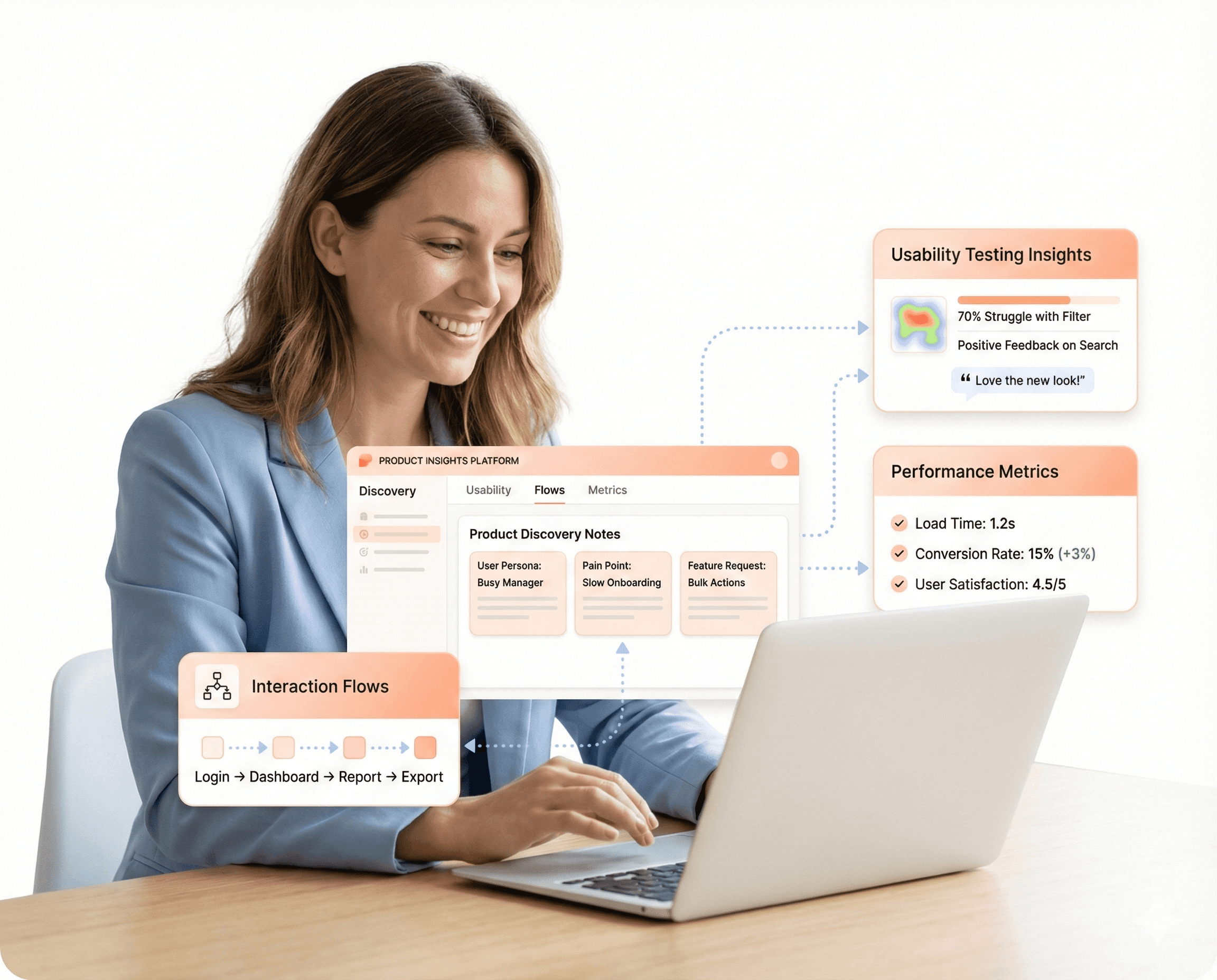
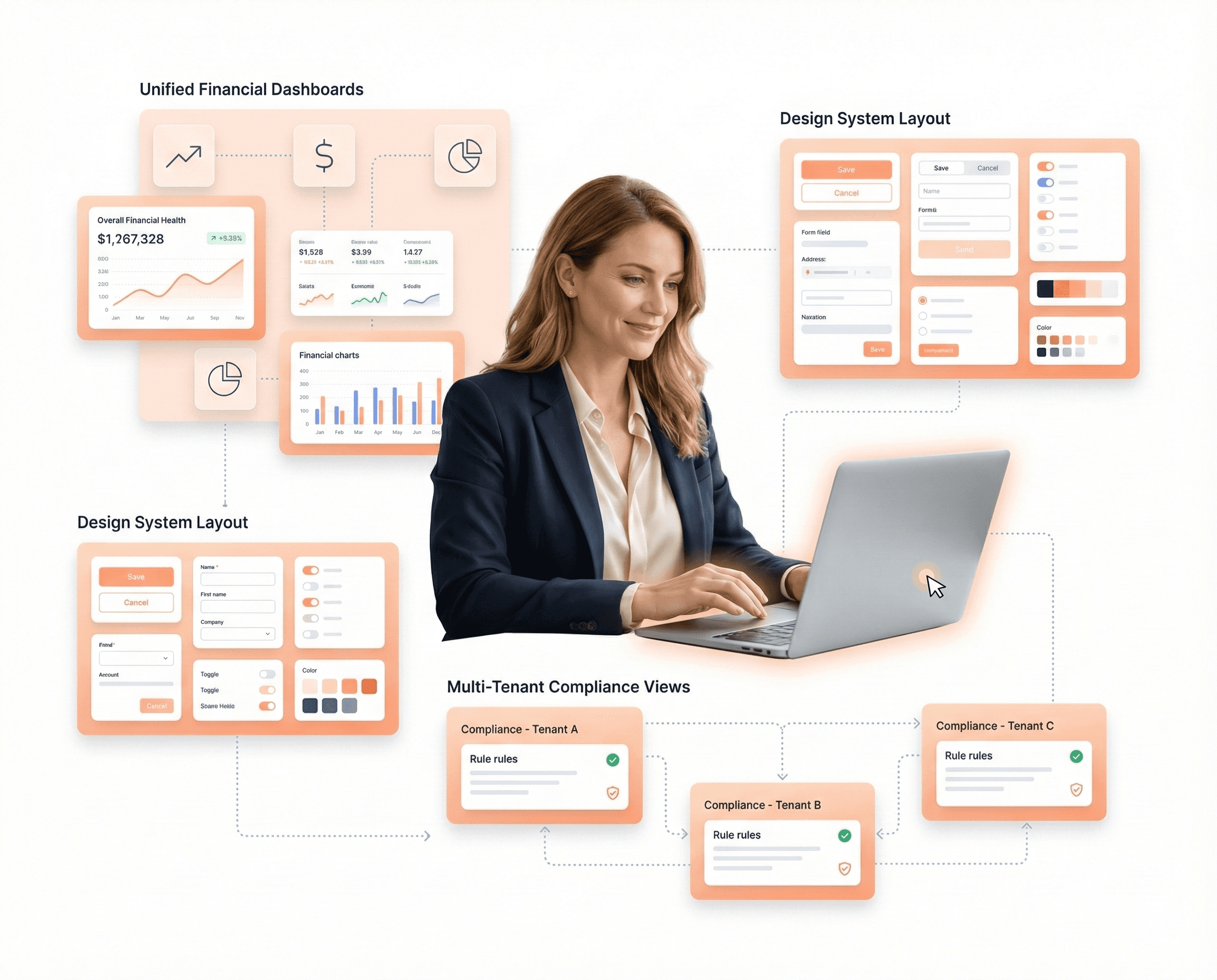
Dashboards and workflows were redesigned to better match real regulatory processes and user expectations in wealth management. Complexity was reduced by improving information hierarchy, simplifying navigation, and making actions easier to locate. The end result was a cleaner and more structured UX built for finance-grade operations.
2
React component library build
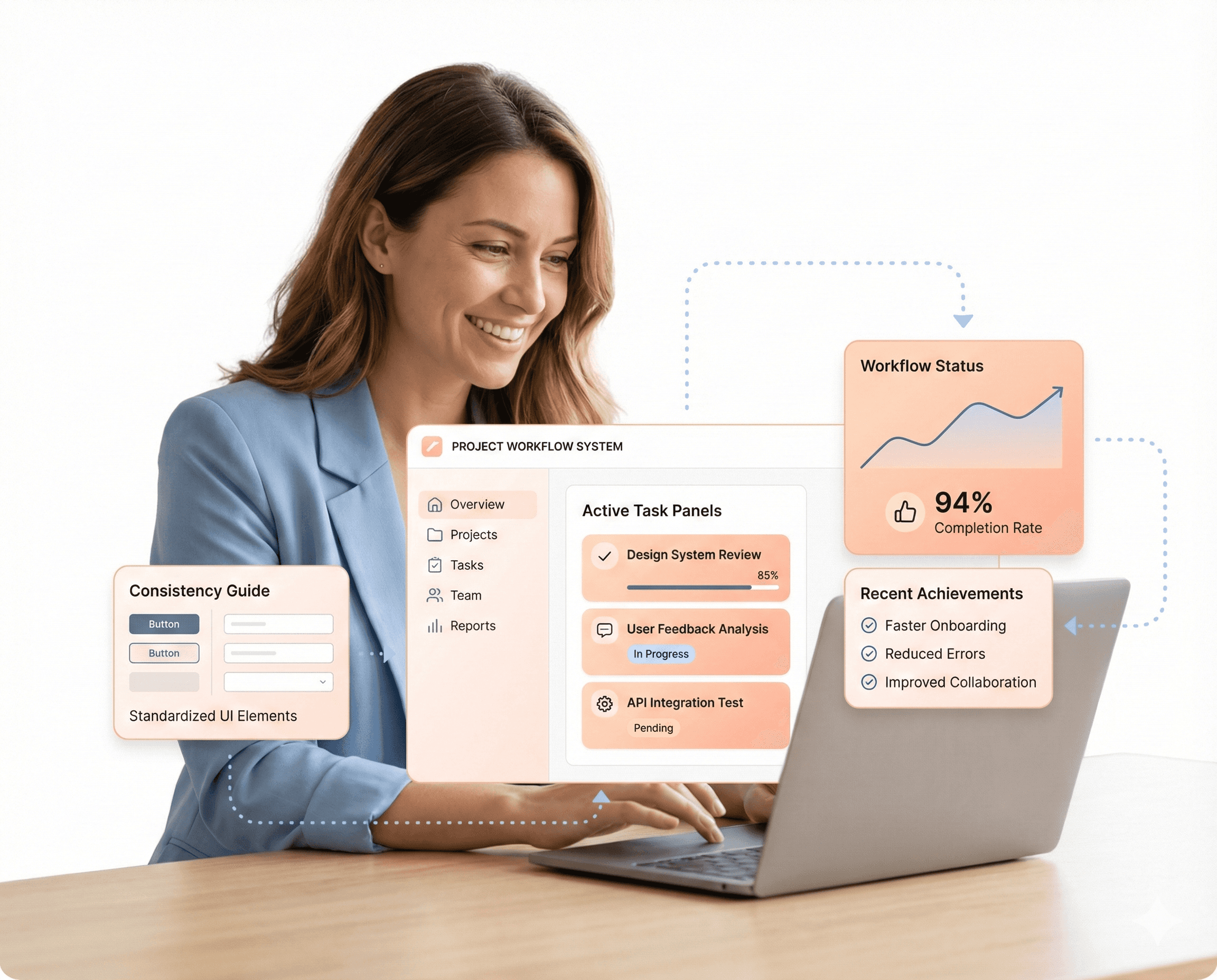
A reusable component library was built using React to standardize UI behavior across the platform. This reduced UI fragmentation and made new feature development more predictable. Consistent components also reduced rework and helped prevent design drift across teams.
3
Design system foundation
A design system approach was applied using Storybook-supported component structure, along with design tokens and CSS variables. This ensured repeatable UI patterns across dashboards, workflows, and tenant environments. It also improved long-term maintainability while keeping UI delivery consistent.
4
Existing API integration
The modernized frontend was integrated with the client’s existing API infrastructure to ensure stability and minimize disruption. Data workflows remained consistent while UX improvements improved usability across modules. This allowed the product to modernize without requiring major backend changes.
5
WCAG 2.1 AA accessibility-first
Accessibility compliance was implemented across the UI with WCAG 2.1 AA standards as a baseline. ARIA best practices and accessibility audit tools supported consistent accessibility behavior across components. This made the product more inclusive while improving compliance readiness for enterprise environments.

1
WCAG 2.1 AA achieved
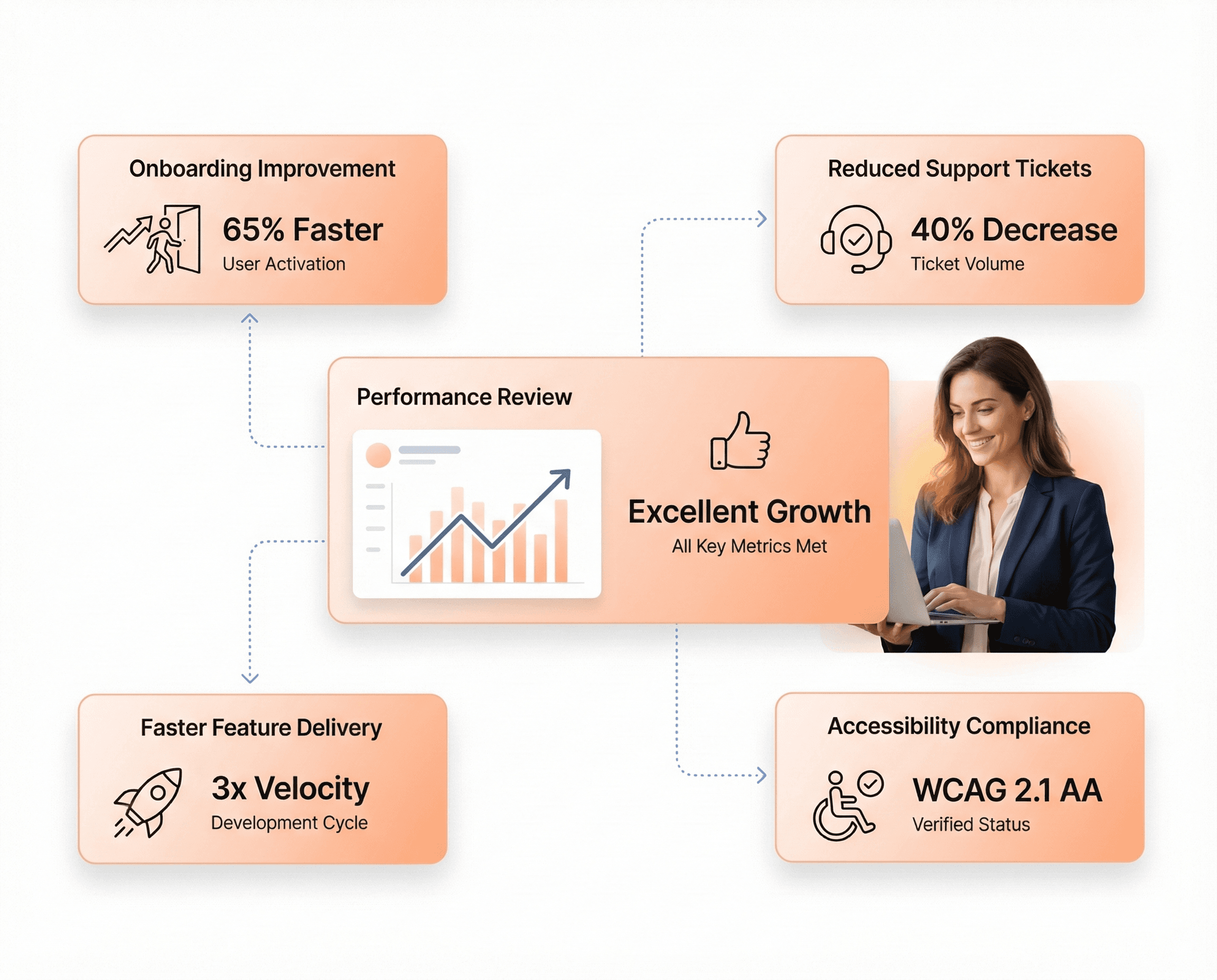
The platform successfully achieved WCAG 2.1 AA compliance across all product interfaces. Accessibility improvements were applied consistently across components and workflows. This strengthened compliance readiness and improved usability for a wider range of users.
2
65% fewer support tickets
UI-related support tickets dropped by 65% after the modernization. Cleaner workflows, stronger UX clarity, and more consistent UI patterns reduced confusion across compliance-heavy interactions. This lowered operational overhead and improved overall user confidence.
3
Faster UI shipping with components
A reusable component library made feature updates faster and safer to ship. UI patterns became predictable and repeatable across modules, reducing redesign cycles. This increased long-term frontend velocity while preserving consistency.
4
Smoother compliance workflows
Dashboards and regulated flows became easier to navigate without simplifying away necessary compliance controls. Users could complete tasks with fewer UI blockers and reduced cognitive load. This improved efficiency and decision clarity in day-to-day usage.
5
Enterprise multi-tenant ready
Multi-tenant UX patterns became more stable and scalable through consistent navigation and permission-aware UI foundations. Tenant-level experiences stayed predictable while supporting enterprise variation. This strengthened the product’s ability to scale across enterprise clients.
Our Services