Modernize Fast. Zero Downtime.

Modernize Fast. Zero Downtime.

Modernize Fast. Zero Downtime.

Modernize Your Legacy Web App and Eliminate Technical Debt

Modernize Your Legacy Web App and Eliminate Technical Debt

Modernize Your Legacy Web App and Eliminate Technical Debt

Transform outdated platforms into modern experiences while protecting your business logic and revenue

Transform outdated platforms into modern experiences while protecting your business logic and revenue

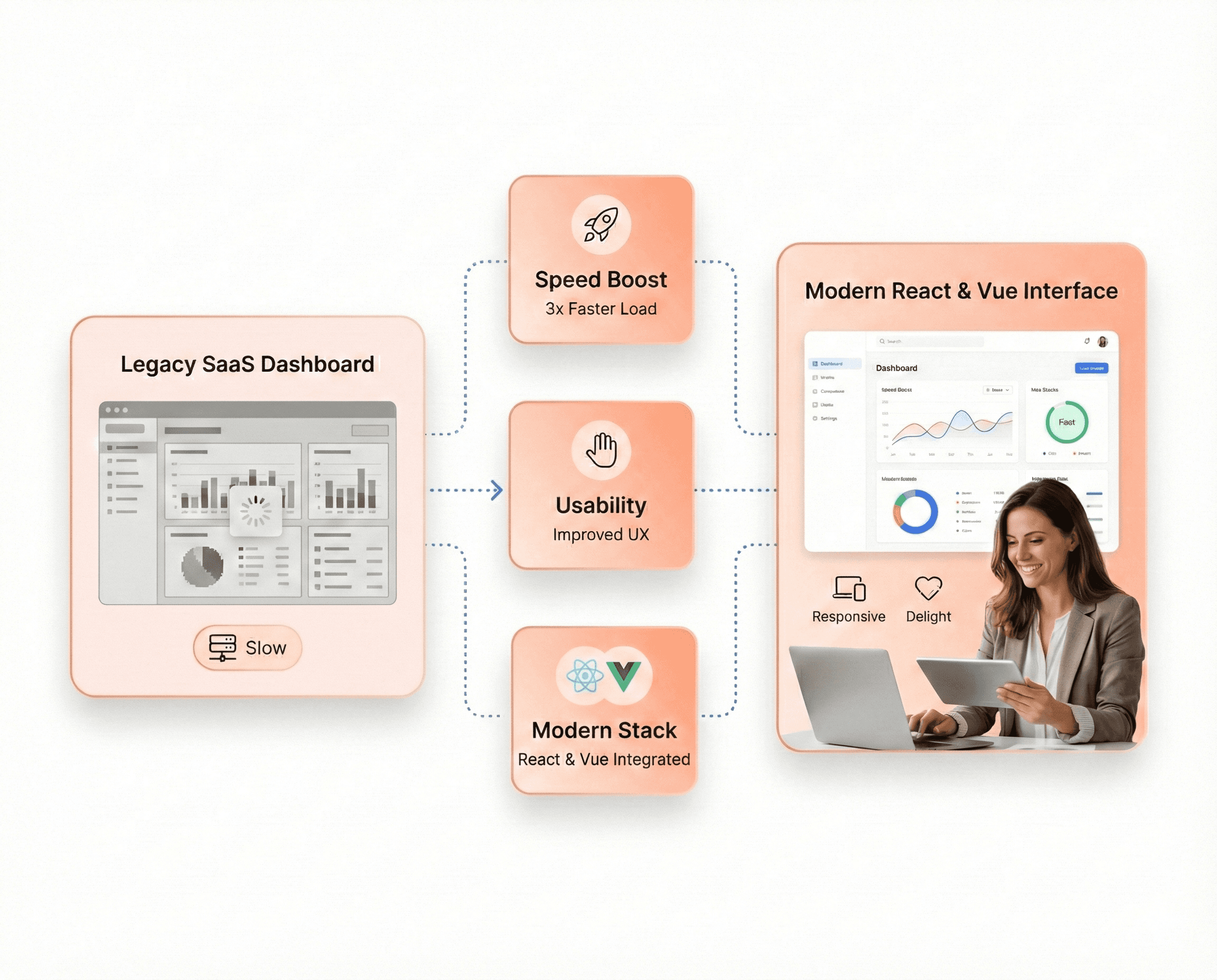
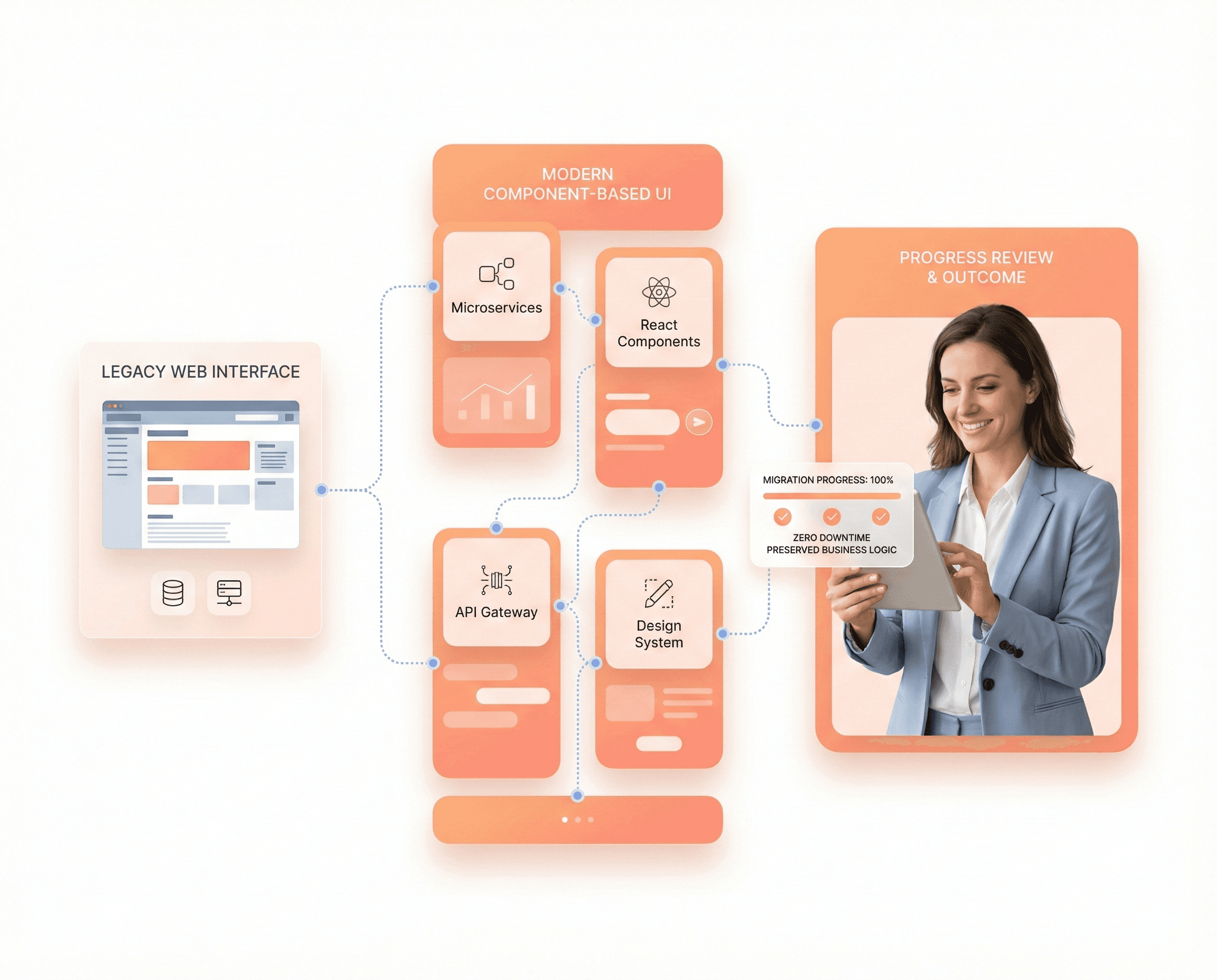
Legacy web app modernization showing outdated interface transforming into a modern React and Vue web application with improved performance and usability

Trusted by 50+ SaaS Enterprises and Startups in USA and Europe

Trusted by 50+ SaaS Enterprises and Startups in USA and Europe

Trusted by 50+ SaaS Enterprises and Startups in USA and Europe
Shape

Complete Legacy Modernization Services

Modernize Without Risk Using AI-Driven Migration Strategies

Technical audits, incremental migration, and component-based architecture

Smooth Transition

Secure Migration

Modern Frameworks

AI-Driven Evolution

Expandable Framework

Smooth legacy web application migration process showing step-by-step transition from outdated UI to modern frontend without business disruption

We employ incremental migration strategies to modernize your application without downtime. By using micro-frontend architecture and feature flags, we replace outdated modules seamlessly.

Users will experience gradual improvements as we tackle technical debt. This risk-free method enables immediate validation of enhancements in production, allowing you to collect real user feedback while maintaining business continuity and revenue throughout the transformation process.

Keep your workspace spotless with our Office Cleaning Service. Our team ensures a hygienic environment.

Restore shine with our Floor Polishing Service. Our team uses advanced techniques for a sleek, polished finish.

Breathe cleaner with our Dust Removal Service. Our team ensures a dust-free space for a healthier environment.

Shape

Complete Legacy Modernization Services

Modernize Without Risk Using AI-Driven Migration Strategies

Technical audits, incremental migration, and component-based architecture

Smooth Transition

Secure Migration

Modern Frameworks

AI-Driven Evolution

Expandable Framework

Smooth legacy web application migration process showing step-by-step transition from outdated UI to modern frontend without business disruption

We employ incremental migration strategies to modernize your application without downtime. By using micro-frontend architecture and feature flags, we replace outdated modules seamlessly.

Users will experience gradual improvements as we tackle technical debt. This risk-free method enables immediate validation of enhancements in production, allowing you to collect real user feedback while maintaining business continuity and revenue throughout the transformation process.

Keep your workspace spotless with our Office Cleaning Service. Our team ensures a hygienic environment.

Restore shine with our Floor Polishing Service. Our team uses advanced techniques for a sleek, polished finish.

Breathe cleaner with our Dust Removal Service. Our team ensures a dust-free space for a healthier environment.

Shape

Complete Legacy Modernization Services

Modernize Without Risk Using AI-Driven Migration Strategies

Technical audits, incremental migration, and component-based architecture

Smooth Transition

Secure Migration

Modern Frameworks

AI-Driven Evolution

Expandable Framework

We employ incremental migration strategies to modernize your application without downtime. By using micro-frontend architecture and feature flags, we replace outdated modules seamlessly.

Users will experience gradual improvements as we tackle technical debt. This risk-free method enables immediate validation of enhancements in production, allowing you to collect real user feedback while maintaining business continuity and revenue throughout the transformation process.

Smooth legacy web application migration process showing step-by-step transition from outdated UI to modern frontend without business disruption

Keep your workspace spotless with our Office Cleaning Service. Our team ensures a hygienic environment.

Restore shine with our Floor Polishing Service. Our team uses advanced techniques for a sleek, polished finish.

Breathe cleaner with our Dust Removal Service. Our team ensures a dust-free space for a healthier environment.

Complete Legacy Modernization Services

Complete Legacy Modernization Services

End-to-End Modernization From Assessment to Deployment

End-to-End Modernization From Assessment to Deployment

Technical audits, incremental migration, and component-based architecture

Technical audits, incremental migration, and component-based architecture

Legacy Assessment

Assessing your current state is crucial for modernization. We perform comprehensive technical audits of your codebase to uncover dependencies, technical debt, and architectural issues. By analyzing your application structure and data flows, we create a phased migration plan that focuses on high-value features, minimizes risks, and aligns with your business objectives and budget.

Legacy Assessment

Assessing your current state is crucial for modernization. We perform comprehensive technical audits of your codebase to uncover dependencies, technical debt, and architectural issues. By analyzing your application structure and data flows, we create a phased migration plan that focuses on high-value features, minimizes risks, and aligns with your business objectives and budget.

Legacy Assessment

Assessing your current state is crucial for modernization. We perform comprehensive technical audits of your codebase to uncover dependencies, technical debt, and architectural issues. By analyzing your application structure and data flows, we create a phased migration plan that focuses on high-value features, minimizes risks, and aligns with your business objectives and budget.

Frontend Migration

We implement a gradual update strategy to avoid risky "big bang" rewrites. By employing micro-frontend architecture and the strangler fig pattern, we systematically replace outdated UI components while legacy systems remain operational. This approach allows for immediate user feedback and continuous enhancements, prioritizing critical features for quick wins and reduced project risk.

Frontend Migration

We implement a gradual update strategy to avoid risky "big bang" rewrites. By employing micro-frontend architecture and the strangler fig pattern, we systematically replace outdated UI components while legacy systems remain operational. This approach allows for immediate user feedback and continuous enhancements, prioritizing critical features for quick wins and reduced project risk.

Frontend Migration

We implement a gradual update strategy to avoid risky "big bang" rewrites. By employing micro-frontend architecture and the strangler fig pattern, we systematically replace outdated UI components while legacy systems remain operational. This approach allows for immediate user feedback and continuous enhancements, prioritizing critical features for quick wins and reduced project risk.

Component Design

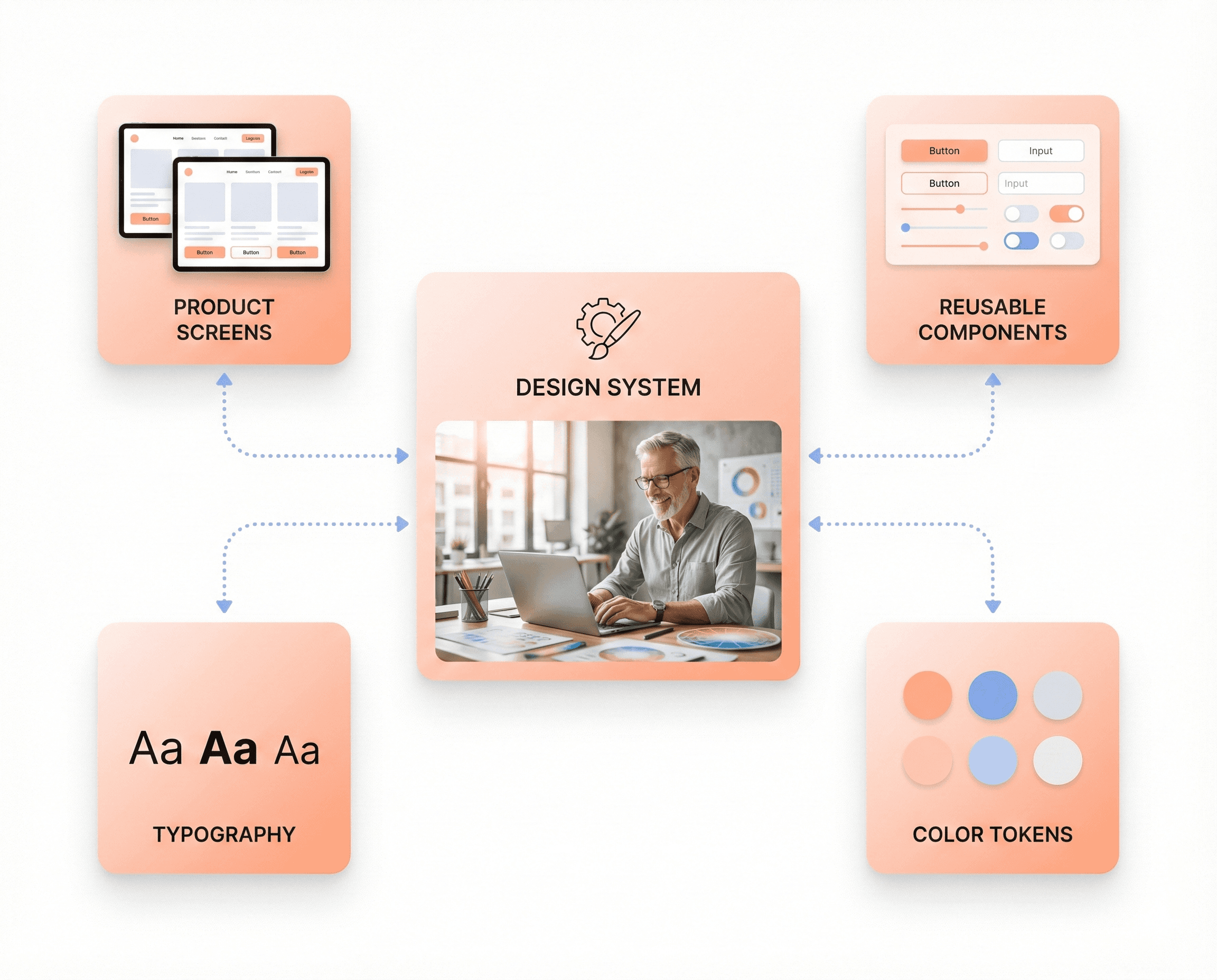
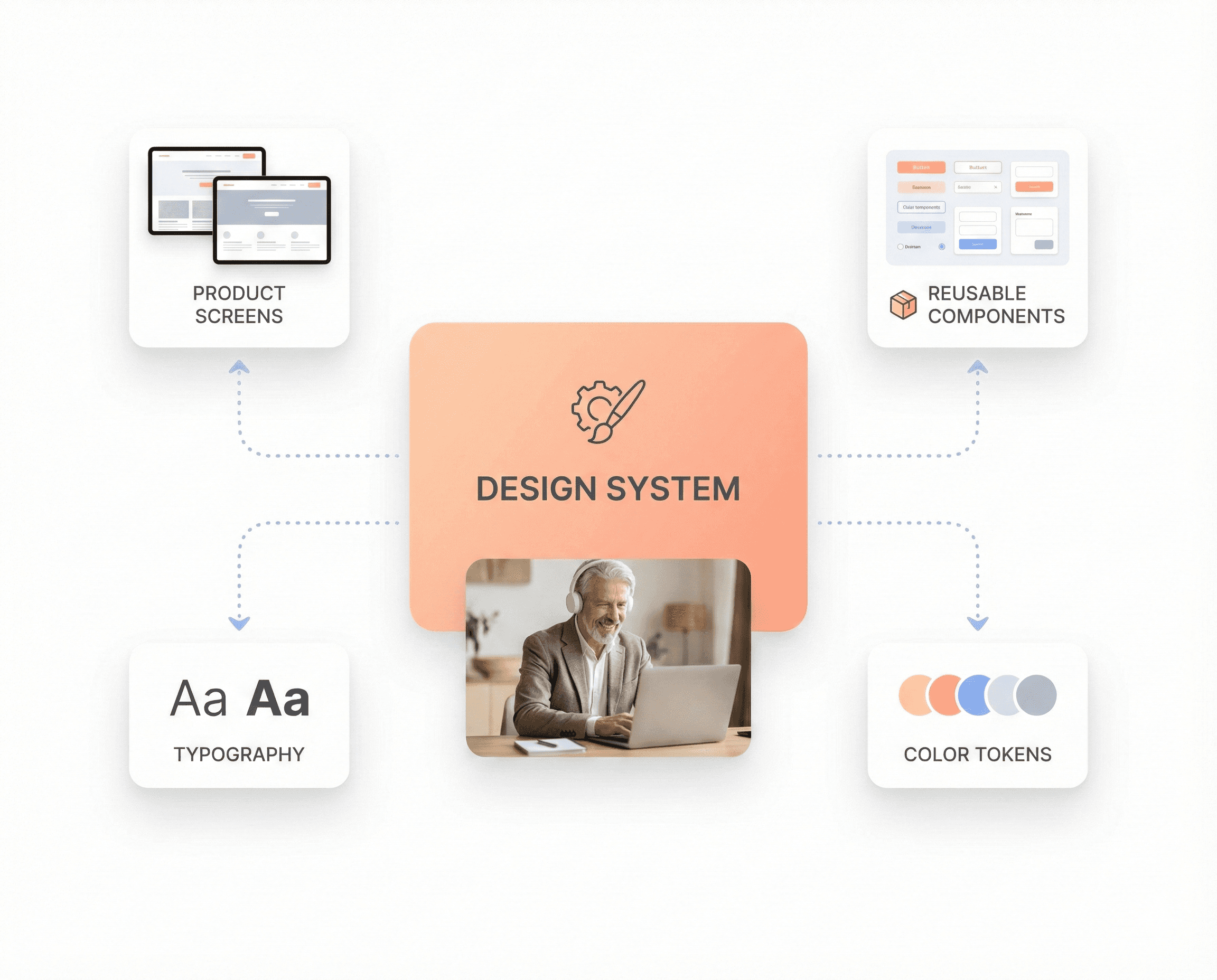
We adopt a component-based architecture to enhance your user interface. Each element, from buttons to data tables, is a modular, testable component. This design simplifies bug fixes and reduces maintenance efforts. Your developers can rapidly create new features by reusing components, effectively doubling development speed while maintaining a consistent visual experience across your application.

Component Design

We adopt a component-based architecture to enhance your user interface. Each element, from buttons to data tables, is a modular, testable component. This design simplifies bug fixes and reduces maintenance efforts. Your developers can rapidly create new features by reusing components, effectively doubling development speed while maintaining a consistent visual experience across your application.

Component Design

We adopt a component-based architecture to enhance your user interface. Each element, from buttons to data tables, is a modular, testable component. This design simplifies bug fixes and reduces maintenance efforts. Your developers can rapidly create new features by reusing components, effectively doubling development speed while maintaining a consistent visual experience across your application.

Backend Connectivity

We create robust API integration layers to connect your new React or Vue frontend with legacy REST APIs, GraphQL endpoints, or SOAP services. Our focus on effective error handling, loading states, data caching, and optimistic UI updates enhances responsiveness while we also seek opportunities for backend performance enhancements.

Backend Connectivity

We create robust API integration layers to connect your new React or Vue frontend with legacy REST APIs, GraphQL endpoints, or SOAP services. Our focus on effective error handling, loading states, data caching, and optimistic UI updates enhances responsiveness while we also seek opportunities for backend performance enhancements.

Backend Connectivity

We create robust API integration layers to connect your new React or Vue frontend with legacy REST APIs, GraphQL endpoints, or SOAP services. Our focus on effective error handling, loading states, data caching, and optimistic UI updates enhances responsiveness while we also seek opportunities for backend performance enhancements.

Speed Enhancement

Users expect fast applications. We employ techniques like code splitting, lazy loading, and smart bundling to significantly reduce initial load times. By using progressive loading for data-intensive interfaces and advanced caching, we ensure quick return visits. Regular assessments of Core Web Vitals help us improve SEO, user satisfaction, and conversion rates.

Speed Enhancement

Users expect fast applications. We employ techniques like code splitting, lazy loading, and smart bundling to significantly reduce initial load times. By using progressive loading for data-intensive interfaces and advanced caching, we ensure quick return visits. Regular assessments of Core Web Vitals help us improve SEO, user satisfaction, and conversion rates.

Speed Enhancement

Users expect fast applications. We employ techniques like code splitting, lazy loading, and smart bundling to significantly reduce initial load times. By using progressive loading for data-intensive interfaces and advanced caching, we ensure quick return visits. Regular assessments of Core Web Vitals help us improve SEO, user satisfaction, and conversion rates.

Quality Control

We ensure seamless functionality beyond code migration. Our quality assurance features comprehensive unit tests, integration tests for data flows, end-to-end tests for user experiences, and visual regression tests for UI changes. Automated CI/CD pipelines execute tests with every code commit, significantly reducing post-launch bugs and enhancing overall application reliability.

Quality Control

We ensure seamless functionality beyond code migration. Our quality assurance features comprehensive unit tests, integration tests for data flows, end-to-end tests for user experiences, and visual regression tests for UI changes. Automated CI/CD pipelines execute tests with every code commit, significantly reducing post-launch bugs and enhancing overall application reliability.

Quality Control

We ensure seamless functionality beyond code migration. Our quality assurance features comprehensive unit tests, integration tests for data flows, end-to-end tests for user experiences, and visual regression tests for UI changes. Automated CI/CD pipelines execute tests with every code commit, significantly reducing post-launch bugs and enhancing overall application reliability.

Proven Impact

The Frontend Engine Behind Growing SaaS

The Frontend Engine Behind Growing SaaS

We turn complex requirements into intuitive, AI-driven interfaces that drive user adoption.

We turn complex requirements into intuitive, AI-driven interfaces that drive user adoption.

200+

SaaS Partners Scaled

95%

Client Retention Rate

3x

AI-Fast Delivery

10M+

End-Users Impacted

Business Benefits of Legacy Modernization

Cut Maintenance Costs 50% and Ship Features 2.5x Faster

Cut Maintenance Costs 50% and Ship Features 2.5x Faster

Eliminate technical debt and transform development velocity

Eliminate technical debt and transform development velocity

Cut IT Costs by 50% With Modern Code

Technical debt isn't just annoying; it's expensive. Legacy codebases require specialised developers who are increasingly rare and costly, bug fixes take 3x longer due to fragile architecture, and adding new features feels impossible without breaking existing functionality. By substituting clean, component-based architecture for unmaintainable spaghetti code, we remove this drain. Your team spends less time firefighting bugs and more time building features that generate revenue.

Tab Icon

Reduces maintenance costs by 50% within 6 months

Tab Icon

Reduces maintenance costs by 50% within 6 months

Tab Icon

Reduces maintenance costs by 50% within 6 months

Tab Icon

Cuts bug resolution time by 70% with modern tooling

Tab Icon

Cuts bug resolution time by 70% with modern tooling

Tab Icon

Cuts bug resolution time by 70% with modern tooling

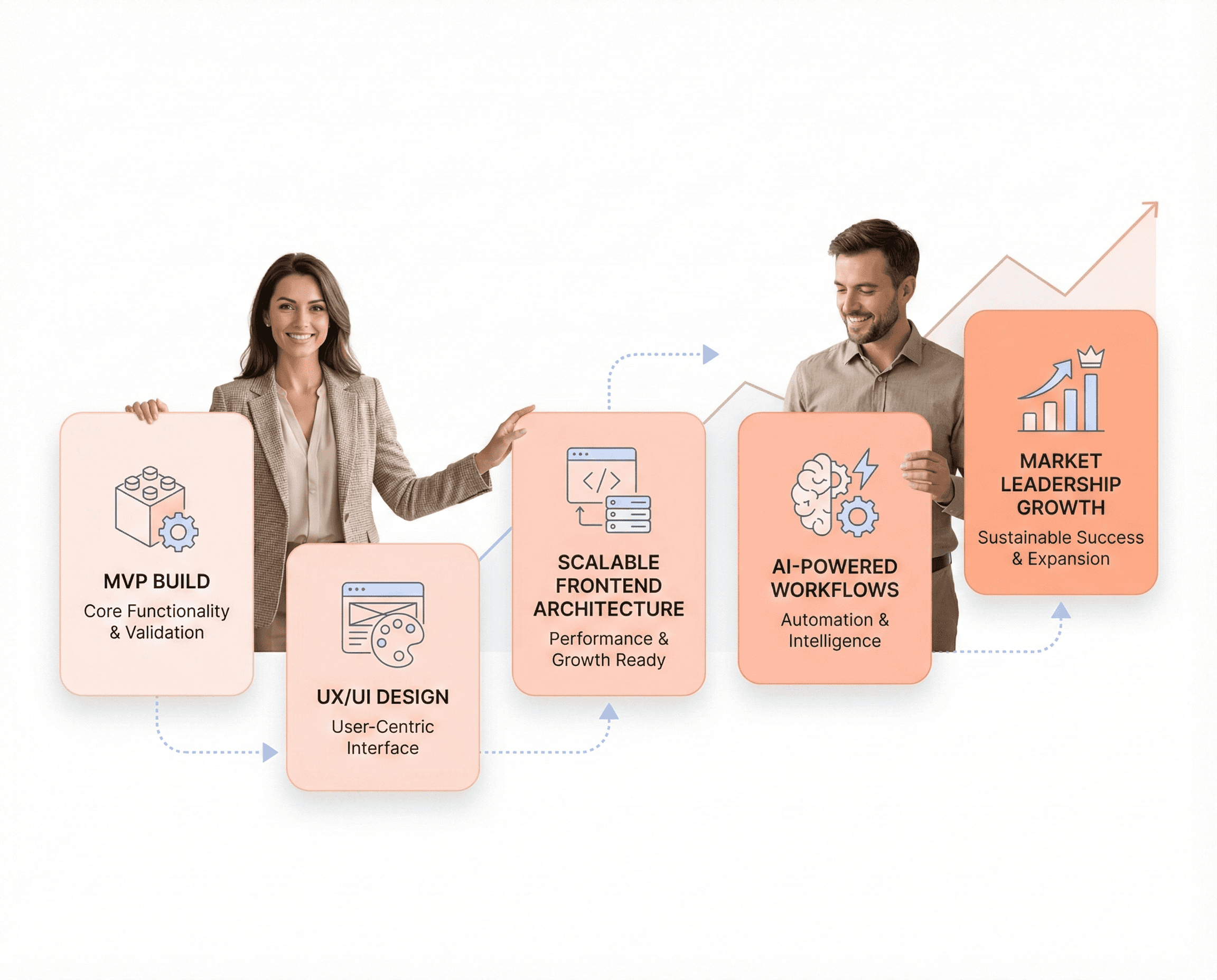
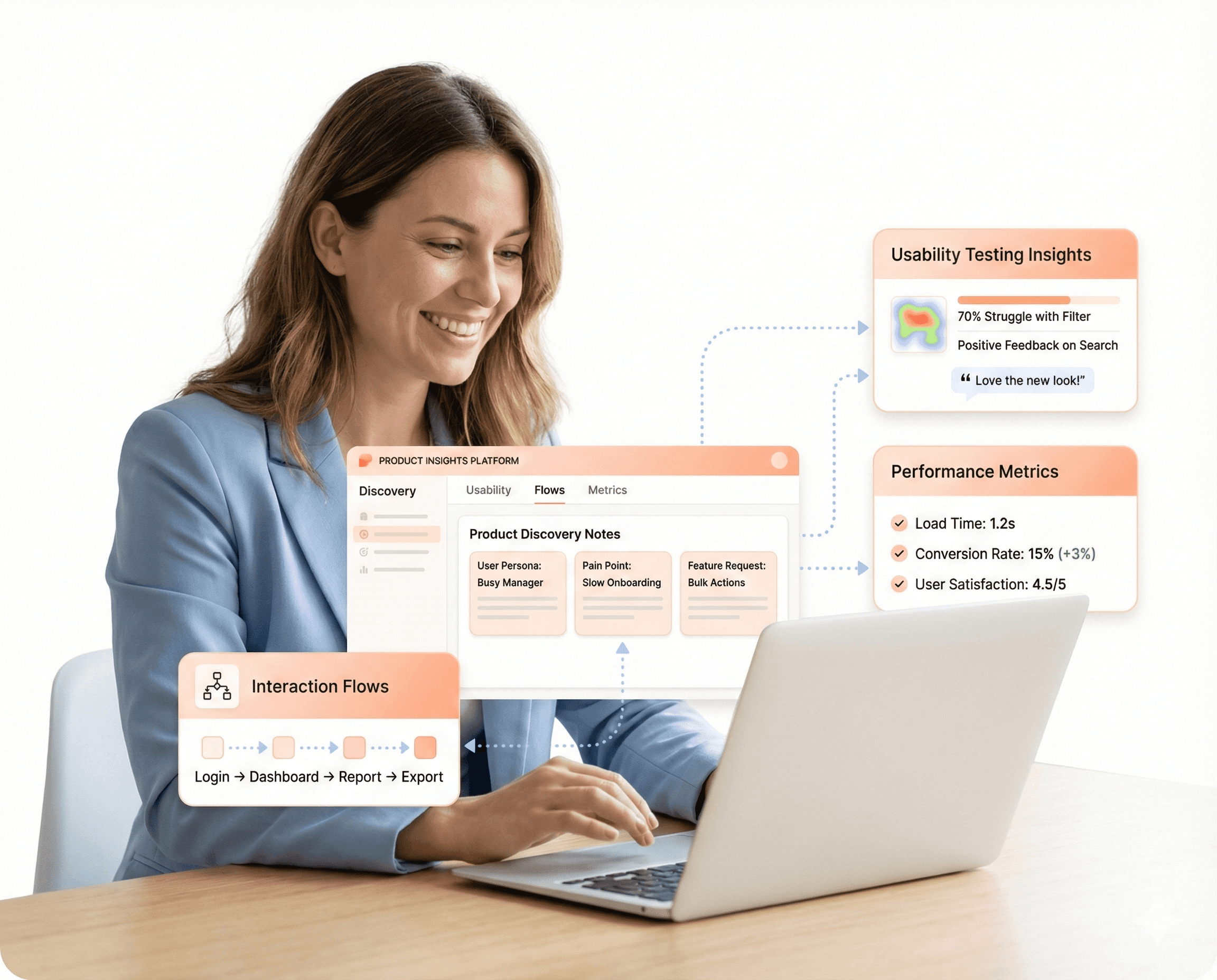
Legacy code modernization reducing IT maintenance costs and bug-fixing effort through clean component-based frontend architecture
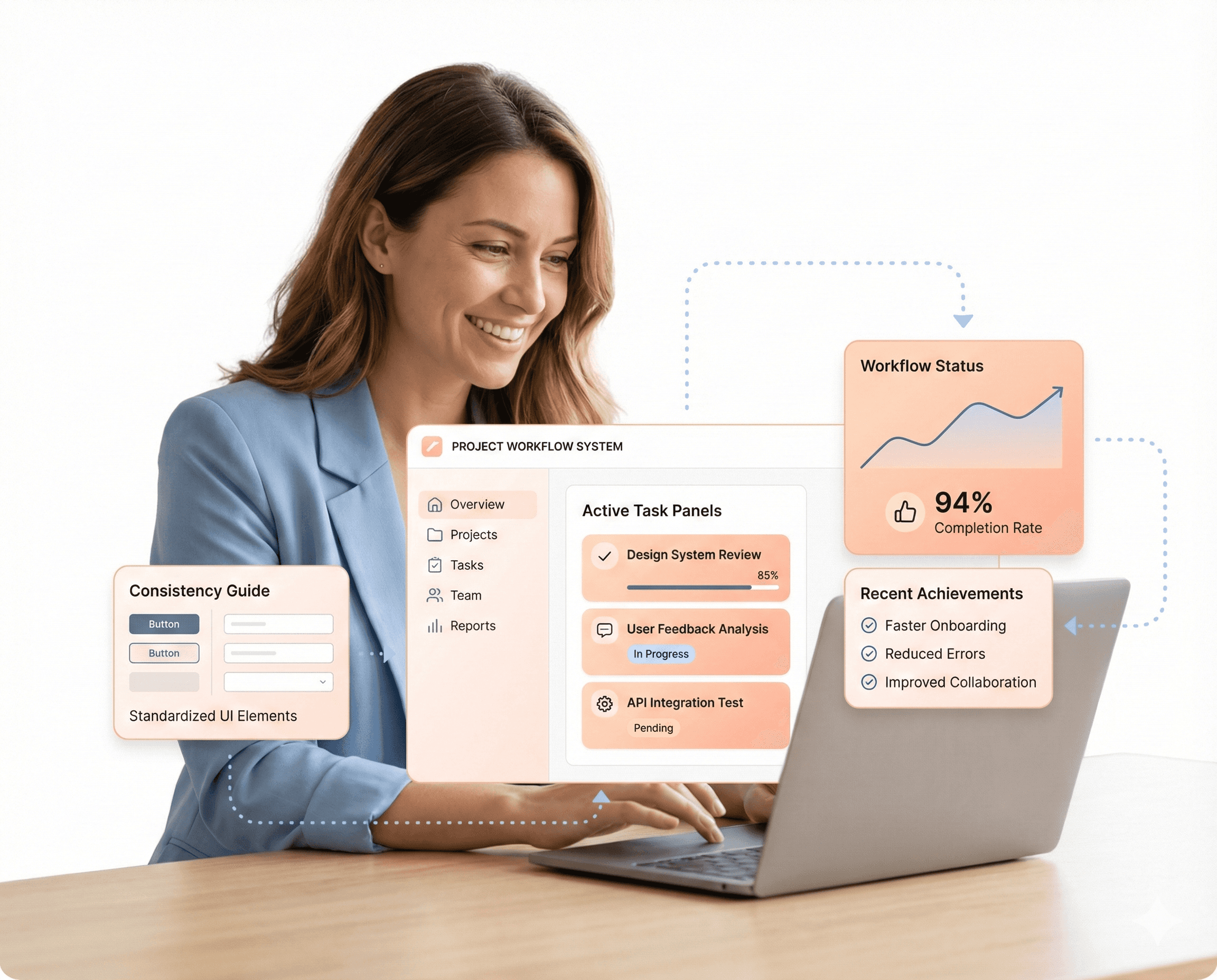
Modern web development workflow enabling 2.5x faster feature releases using reusable components and automated testing
Ship Features 2.5x Faster Than Before

Your competitors are shipping weekly while your team struggles to release quarterly. Modern frameworks and component architecture transform development speed dramatically. Features that used to take months to ship now do so in weeks thanks to reusable parts, automated testing, and a clean code structure. Your developers become more productive, morale rises, and you can finally react swiftly to customer feedback and market opportunities rather than having to wait for rivals to move more quickly.

Tab Icon

Increases development velocity by 2.5x on average

Tab Icon

Increases development velocity by 2.5x on average

Tab Icon

Enables weekly releases instead of quarterly updates

Tab Icon

Enables weekly releases instead of quarterly updates

Modern web development workflow enabling 2.5x faster feature releases using reusable components and automated testing
Ship Features 2.5x Faster Than Before

Your competitors are shipping weekly while your team struggles to release quarterly. Modern frameworks and component architecture transform development speed dramatically. Features that used to take months to ship now do so in weeks thanks to reusable parts, automated testing, and a clean code structure. Your developers become more productive, morale rises, and you can finally react swiftly to customer feedback and market opportunities rather than having to wait for rivals to move more quickly.

Tab Icon

Increases development velocity by 2.5x on average

Tab Icon

Increases development velocity by 2.5x on average

Tab Icon

Enables weekly releases instead of quarterly updates

Tab Icon

Enables weekly releases instead of quarterly updates

Stop Patching Legacy Code. Start Shipping Features 2.5x Faster.

Stop Patching Legacy Code. Start Shipping Features 2.5x Faster.

▶︎

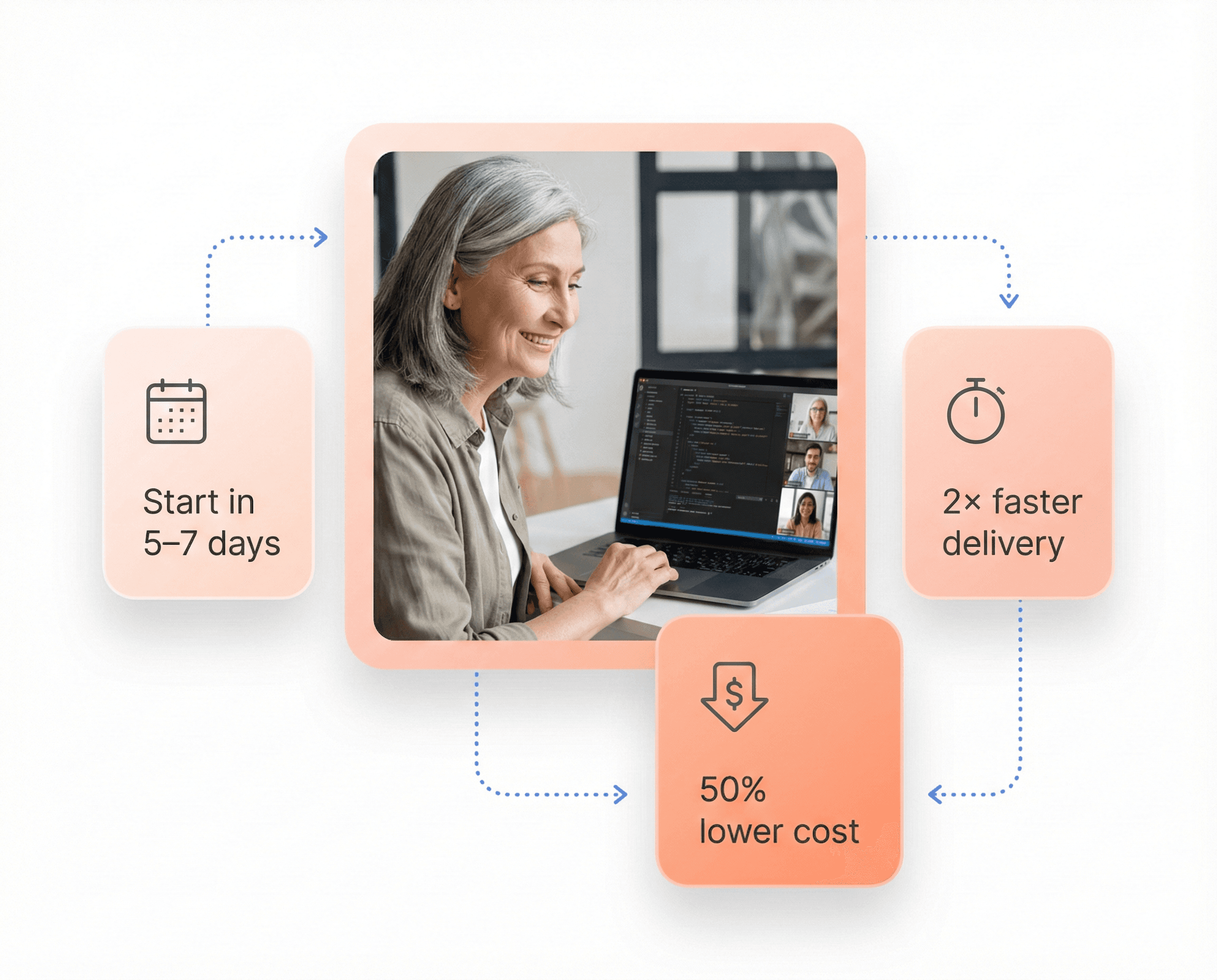
We reduce technical debt with gradual updates, cutting maintenance costs by 50% and enabling your team to deliver features 2.5x faster.

We reduce technical debt with gradual updates, cutting maintenance costs by 50% and enabling your team to deliver features 2.5x faster.

Our Technology Stack

Our Technology Stack

Built on a Foundation of Modern Tech

Built on a Foundation of Modern Tech

From Figma prototypes to Cypress testing, our stack ensures speed and quality.

From Figma prototypes to Cypress testing, our stack ensures speed and quality.

Front end Frameworks
Tab Icon
Tab Icon
Tab Icon

Angular

Angular

Angular

Tab Icon
Tab Icon

React js

React js

React js

Tab Icon
Tab Icon
Tab Icon
Tab Icon
Tab Icon

Vue.js

Vue.js

Vue.js

UI Libraries
Tab Icon
Tab Icon
Tab Icon

Material UI

Material UI

Material UI

Tab Icon
Tab Icon
Tab Icon

Tailwind

Tailwind

Tailwind

Tab Icon

Bootstrap

Tab Icon
Tab Icon

Bootstrap

Bootstrap

Design Tools
Tab Icon
Tab Icon
Tab Icon

Figma

Figma

Figma

Tab Icon
Tab Icon
Tab Icon

Framer

Framer

Framer

Tab Icon
Tab Icon
Tab Icon

Sketch

Sketch

Sketch

Tab Icon
Tab Icon
Tab Icon

Adobe Creative Suite

Adobe Creative Suite

Adobe Creative Suite

Version Control
Tab Icon
Tab Icon
Tab Icon

Github

Github

Github

Tab Icon
Tab Icon
Tab Icon

Git

Git

Git

Tab Icon
Tab Icon
Tab Icon

Gitlab

Gitlab

Gitlab

Testing & QA Tools
Tab Icon
Tab Icon
Tab Icon

Jest

Jest

Jest

Tab Icon
Tab Icon
Tab Icon

React Testing Library

React Testing Library

React Testing Library

Tab Icon
Tab Icon
Tab Icon

Cypress

Cypress

Cypress

Business Benefits of Legacy Modernization

Cut Maintenance Costs 50% and Ship Features 2.5x Faster

Cut Maintenance Costs 50% and Ship Features 2.5x Faster

Eliminate technical debt and transform development velocity

Eliminate technical debt and transform development velocity

Five-step legacy web app modernization process from technical audit to migration and knowledge transfer with zero business disruption

Step 1: Comprehensive Technical Audit

Through user research and competitive analysis, we first map user journeys to align our UI/UX design solutions with both audience expectations and market positioning.

Step 1: Comprehensive Technical Audit

Through user research and competitive analysis, we first map user journeys to align our UI/UX design solutions with both audience expectations and market positioning.

Step 1: Comprehensive Technical Audit

Through user research and competitive analysis, we first map user journeys to align our UI/UX design solutions with both audience expectations and market positioning.

Step 2: Strategic Migration Roadmap

We create a strategic modernization plan prioritizing high-impact features and integrations. This roadmap outlines timelines, resources, and success metrics aligned with your business objectives.

Step 2: Strategic Migration Roadmap

We create a strategic modernization plan prioritizing high-impact features and integrations. This roadmap outlines timelines, resources, and success metrics aligned with your business objectives.

Step 2: Strategic Migration Roadmap

We create a strategic modernization plan prioritizing high-impact features and integrations. This roadmap outlines timelines, resources, and success metrics aligned with your business objectives.

Step 3: Incremental Module Replacement

We update your application incrementally, ensuring the old system remains functional. Starting with key features, we gather user feedback on each module before proceeding, minimizing risk compared to large-scale rewrites.

Step 3: Incremental Module Replacement

We update your application incrementally, ensuring the old system remains functional. Starting with key features, we gather user feedback on each module before proceeding, minimizing risk compared to large-scale rewrites.

Step 3: Incremental Module Replacement

We update your application incrementally, ensuring the old system remains functional. Starting with key features, we gather user feedback on each module before proceeding, minimizing risk compared to large-scale rewrites.

Step 4: Component Library Development

We create a core component library during migration, making UI elements reusable and tested, enhancing development speed and visual consistency.

Step 4: Component Library Development

We create a core component library during migration, making UI elements reusable and tested, enhancing development speed and visual consistency.

Step 4: Component Library Development

We create a core component library during migration, making UI elements reusable and tested, enhancing development speed and visual consistency.

Step 5: Testing, Optimization & Knowledge Transfer

We deliver code with thorough testing, performance optimization, and security compliance. We provide training and documentation for your team to manage the new codebase independently.

Step 5: Testing, Optimization & Knowledge Transfer

Discover carbon reuse strategies with cloud-native, data-driven automation. Filter carbon emissions with air capture systems. Get real-time carbon trapping analysis.

Step 5: Testing, Optimization & Knowledge Transfer

We deliver code with thorough testing, performance optimization, and security compliance. We provide training and documentation for your team to manage the new codebase independently.

Industry-Focused UI/UX Expertise

A Trusted UI/UX Development Company Serving Multiple Industries

A Trusted UI/UX Development Company Serving Multiple Industries

Renewable Energy Projects

Renewable Energy Projects

Testimonials

From Our Partners' Perspective

Where Great Ideas Become Big Wins and Real Results

  • Hashbyt delivered beyond our expectations. Their frontend architecture transformed our product's performance and measurably boosted our conversion rates. A strategic technical partner.

    Murli Sid

    CTO, Forwood

  • Their design system revolutionized our workflow. The reusable React components cut our feature development time by over 40%. Our in-house team is now shipping faster and with total consistency.

    Profile Photo

    Danny Rackow

    CTO, Radflow360

  • The UI/UX compliance expertise was crucial. They ensured our complex FinTech platform achieved WCAG 2.1 AA accessibility standards. We also saw a 65% reduction in UI-related support tickets.

    Sarah Sparre

    Director of R&D, 3Shape

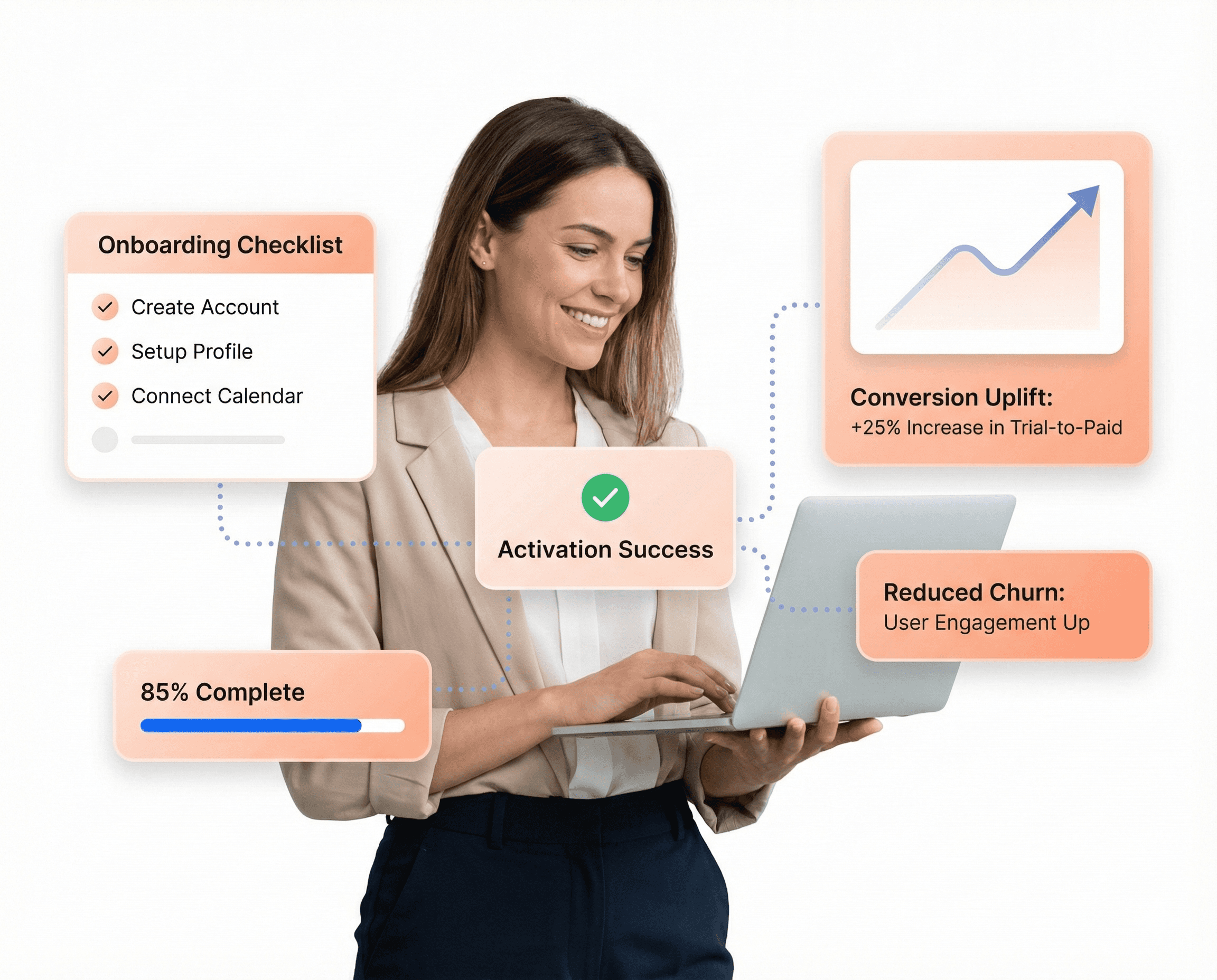
  • We experienced a huge leap in user adoption. The AI-first approach to UX cut onboarding time from fifteen minutes down to four. This directly resulted in a 52% increase in monthly active users.

    Tess

    Head of IT, Clearwater LLC

Legacy Modernization Frequently Asked Questions

Common Questions About Modernizing Legacy Web Applications

Learn about timelines, costs, migration approach, and backend preservation

Legacy web app modernization is the process of transforming outdated applications built on obsolete frameworks and technologies into modern, high-performance platforms using current tools like React, Vue, or Next.js. This involves replacing the frontend presentation layer while preserving your existing backend business logic, APIs, and databases. The goal is to improve user experience, accelerate feature development, reduce maintenance costs, and extend your application's lifespan without the risk and expense of a complete ground-up rewrite.

Answer

What is Legacy Web App Modernization?

Question

Our incremental modernization approach produces noticeable results in just 4-6 weeks, in contrast to traditional rewrites that take 12-18 months. We use AI-augmented workflows and phased migration strategies that allow you to launch improved features continuously rather than waiting for a complete overhaul. A typical mid-sized application can be fully modernised in 3-6 months, with the most critical user-facing features updated first. This timeline varies based on application complexity, technical debt levels, and how many custom integrations need updating.

Answer

How long does modernization take?

Question

No. We specialize in zero-downtime migrations using micro-frontend architecture and incremental rollout strategies. Your application remains fully operational throughout the entire modernisation process. We deploy updates feature-by-feature using feature flags that allow instant rollback if issues arise. Users experience gradual improvements without service interruptions. We conduct all migrations during low-traffic periods and maintain comprehensive rollback plans. Your business continues running smoothly while we systematically eliminate technical debt and modernize your platform behind the scenes.

Answer

Will modernization disrupt my business operations?

Question

Your backend systems are still fully functional. We employ "headless modernization," which means that your current databases, business logic, and APIs remain operational while we simply replace your frontend presentation layer. We build new React or Vue interfaces that communicate with your current backend through existing API endpoints. If your APIs need optimisation, we can suggest improvements, but this is optional. This method removes the significant risk of backend rewrites, safeguards your data integrity, and maintains years of business rule development.

Answer

What happens to my existing backend and databases?

Question

Modernization costs vary based on application size, complexity, and technical debt levels. However, our AI-augmented approach typically costs 40-60% less than traditional agency rewrites. A small application (10-20 screens) might range from $30,000-$60,000, while enterprise platforms can range from $150,000-$500,000+. We provide transparent, fixed-price quotes after our initial assessment. More importantly, modernization pays for itself by reducing ongoing maintenance costs by 50%, accelerating feature delivery by 2.5x, and preventing the much higher cost of complete platform replacement down the road.

Answer

How much does legacy modernization cost?

Question

Legacy Modernization Frequently Asked Questions

Common Questions About Modernizing Legacy Web Applications

Learn about timelines, costs, migration approach, and backend preservation

Legacy web app modernization is the process of transforming outdated applications built on obsolete frameworks and technologies into modern, high-performance platforms using current tools like React, Vue, or Next.js. This involves replacing the frontend presentation layer while preserving your existing backend business logic, APIs, and databases. The goal is to improve user experience, accelerate feature development, reduce maintenance costs, and extend your application's lifespan without the risk and expense of a complete ground-up rewrite.

Answer

What is Legacy Web App Modernization?

Question

Our incremental modernization approach produces noticeable results in just 4-6 weeks, in contrast to traditional rewrites that take 12-18 months. We use AI-augmented workflows and phased migration strategies that allow you to launch improved features continuously rather than waiting for a complete overhaul. A typical mid-sized application can be fully modernised in 3-6 months, with the most critical user-facing features updated first. This timeline varies based on application complexity, technical debt levels, and how many custom integrations need updating.

Answer

How long does modernization take?

Question

No. We specialize in zero-downtime migrations using micro-frontend architecture and incremental rollout strategies. Your application remains fully operational throughout the entire modernisation process. We deploy updates feature-by-feature using feature flags that allow instant rollback if issues arise. Users experience gradual improvements without service interruptions. We conduct all migrations during low-traffic periods and maintain comprehensive rollback plans. Your business continues running smoothly while we systematically eliminate technical debt and modernize your platform behind the scenes.

Answer

Will modernization disrupt my business operations?

Question

Your backend systems are still fully functional. We employ "headless modernization," which means that your current databases, business logic, and APIs remain operational while we simply replace your frontend presentation layer. We build new React or Vue interfaces that communicate with your current backend through existing API endpoints. If your APIs need optimisation, we can suggest improvements, but this is optional. This method removes the significant risk of backend rewrites, safeguards your data integrity, and maintains years of business rule development.

Answer

What happens to my existing backend and databases?

Question

Modernization costs vary based on application size, complexity, and technical debt levels. However, our AI-augmented approach typically costs 40-60% less than traditional agency rewrites. A small application (10-20 screens) might range from $30,000-$60,000, while enterprise platforms can range from $150,000-$500,000+. We provide transparent, fixed-price quotes after our initial assessment. More importantly, modernization pays for itself by reducing ongoing maintenance costs by 50%, accelerating feature delivery by 2.5x, and preventing the much higher cost of complete platform replacement down the road.

Answer

How much does legacy modernization cost?

Question

Legacy Modernization Frequently Asked Questions

Common Questions About Modernizing Legacy Web Applications

Learn about timelines, costs, migration approach, and backend preservation

Legacy web app modernization is the process of transforming outdated applications built on obsolete frameworks and technologies into modern, high-performance platforms using current tools like React, Vue, or Next.js. This involves replacing the frontend presentation layer while preserving your existing backend business logic, APIs, and databases. The goal is to improve user experience, accelerate feature development, reduce maintenance costs, and extend your application's lifespan without the risk and expense of a complete ground-up rewrite.

Answer

What is Legacy Web App Modernization?

Question

Our incremental modernization approach produces noticeable results in just 4-6 weeks, in contrast to traditional rewrites that take 12-18 months. We use AI-augmented workflows and phased migration strategies that allow you to launch improved features continuously rather than waiting for a complete overhaul. A typical mid-sized application can be fully modernised in 3-6 months, with the most critical user-facing features updated first. This timeline varies based on application complexity, technical debt levels, and how many custom integrations need updating.

Answer

How long does modernization take?

Question

No. We specialize in zero-downtime migrations using micro-frontend architecture and incremental rollout strategies. Your application remains fully operational throughout the entire modernisation process. We deploy updates feature-by-feature using feature flags that allow instant rollback if issues arise. Users experience gradual improvements without service interruptions. We conduct all migrations during low-traffic periods and maintain comprehensive rollback plans. Your business continues running smoothly while we systematically eliminate technical debt and modernize your platform behind the scenes.

Answer

Will modernization disrupt my business operations?

Question

Your backend systems are still fully functional. We employ "headless modernization," which means that your current databases, business logic, and APIs remain operational while we simply replace your frontend presentation layer. We build new React or Vue interfaces that communicate with your current backend through existing API endpoints. If your APIs need optimisation, we can suggest improvements, but this is optional. This method removes the significant risk of backend rewrites, safeguards your data integrity, and maintains years of business rule development.

Answer

What happens to my existing backend and databases?

Question

Modernization costs vary based on application size, complexity, and technical debt levels. However, our AI-augmented approach typically costs 40-60% less than traditional agency rewrites. A small application (10-20 screens) might range from $30,000-$60,000, while enterprise platforms can range from $150,000-$500,000+. We provide transparent, fixed-price quotes after our initial assessment. More importantly, modernization pays for itself by reducing ongoing maintenance costs by 50%, accelerating feature delivery by 2.5x, and preventing the much higher cost of complete platform replacement down the road.

Answer

How much does legacy modernization cost?

Question

Don't Rebuild from Scratch. Modernize Without Breaking Production.

We modernize outdated platforms effortlessly, upgrading from jQuery or AngularJS to React/Vue for faster feature development.

Don't Rebuild from Scratch. Modernize Without Breaking Production.

We modernize outdated platforms effortlessly, upgrading from jQuery or AngularJS to React/Vue for faster feature development.

▶︎

Don't Rebuild from Scratch. Modernize Without Breaking Production.

We modernize outdated platforms effortlessly, upgrading from jQuery or AngularJS to React/Vue for faster feature development.

Testimonials

From Our Partners' Perspective

Where Great Ideas Become Big Wins and Real Results

Stop Patching Legacy Code. Start Shipping Features 2.5x Faster.

▶︎

We reduce technical debt with gradual updates, cutting maintenance costs by 50% and enabling your team to deliver features 2.5x faster.